
Stress, Anxiety, Addictions, LGBT and 14 more
Licensed professional counselors
Counselors who work with Certified Social Worker (CSW)
2 therapists in this directory list Certified Social Worker (CSW). Registration details are shown as each therapist lists them; the body's own public register is the place to check a number.
A Certified Social Worker (CSW) is a state-recognized credential that indicates graduate social work education and supervised clinical experience. Browse the verified CSW therapists listed below to learn about counselors who hold this credential and how it may relate to the care they describe.
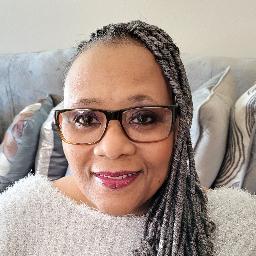
Stress, Anxiety, Family, Trauma and abuse and 14 more
Some links on this page are partner links. We will earn a commission if you sign up through one, at no cost to you. It does not change what you pay or the order of the listings.
What a Certified Social Worker (CSW) means and the education behind it
A Certified Social Worker (CSW) is a credential issued by state boards or social work regulatory bodies to practitioners who have completed a graduate degree in social work and met a period of supervised practice. If you are looking at profiles in 2026, you will typically find that a CSW holder has earned a master's degree in social work or a related field, completed coursework in clinical methods, ethics, assessment, and intervention, and fulfilled a state-set number of supervised post-degree clinical hours. The exact titles and requirements vary by state, because licensing and certification are regulated at the state level.
When you read about a CSW on a therapist profile, it signals that the professional has engaged in formal education and supervised practice required by that issuing authority. States set different pathways, some emphasizing specific practicum hours during training and others requiring additional post-graduate supervision. In many cases there is also an examination component or a verification process administered or referenced by a state board. Knowing that the credential reflects a combination of graduate education plus supervised clinical experience can help you understand the baseline qualifications of the clinician whose profile you are viewing.
How CSW relates to counselor licensure - LPC, LPCC, and LCPC
State naming and overlapping roles
Licensure for professional counselors and certification for social workers are separate systems, and the names differ across states. The counselor license commonly appears as Licensed Professional Counselor (LPC) in most states. In some states the clinical counseling license is called Licensed Professional Clinical Counselor (LPCC) - examples include Ohio, California, Kentucky, and Minnesota. Other states use Licensed Clinical Professional Counselor (LCPC) - for example Illinois, Maryland, and Montana. If you are in a state that uses LCPC or LPCC, a search for an LPC-style counselor should consider those alternate titles because they represent the same licensed counseling profession under state-specific naming.
CSW is a social work credential rather than a counselor license. Some clinicians hold both a counselor license and a CSW credential; others hold one or the other. Where both counselor and social work credentials appear on a profile, it reflects that the clinician has met requirements of more than one regulatory path. In several states there are also multiple tiers of counseling credentials where a non-clinical title and a clinical title coexist; in those cases the state’s naming denotes a distinction in required supervised experience rather than a value judgment between professionals.
What a CSW therapist is qualified to do compared with other license types
Scope of practice and areas of practice
A CSW credential typically authorizes practice in areas aligned with clinical social work, such as assessment, psychosocial intervention, case management, care coordination, and therapy-related services permitted by the issuing board. If you are evaluating what a particular clinician can do, note that the credential indicates they have met training and supervised practice standards required by that state’s social work board. Counselor licenses such as LPC, LPCC, and LCPC likewise denote that the holder has met training and supervised clinical experience standards set by the state counseling board. Each board defines the scope of practice and permissible activities, so the details of what a clinician may do in practice can differ depending on the credential and the state.
When you compare profiles, focus on how a clinician describes their focus areas and professional experience. A CSW may appear alongside counselor licensure on a profile, indicating competence across regulatory frameworks. At the same time, do not assume that similar titles mean identical functions in every state. State boards publish scope of practice language that clarifies whether a credential permits assessment and psychotherapy, the use of diagnosis, or other functions. That language is the authoritative source for the limits and responsibilities associated with a given credential.
Common specialties and treatment areas for clinicians who list CSW
Typical focus areas you may see
Clinicians who hold a CSW often work in areas that reflect the social work tradition - addressing how people function in their relationships, families, communities, and systems. You will frequently find CSW holders describing focus areas such as mood and anxiety concerns, family and couples issues, trauma-related work, child and adolescent development, and life transitions. Many also highlight experience with community-based work, case management, advocacy, and support for social determinants of health that affect mental well-being. Because social work education emphasizes ecological and systems perspectives, CSW clinicians often bring attention to social and environmental factors alongside individual coping and resilience.
Profiles may also list therapeutic approaches or modalities that a clinician uses. Remember that listing an approach on a profile does not by itself confirm a specific certification; treat those listings as self-reported practice preferences. If a certain method or specialty matters to you, look for descriptions of years of experience working with the issue, populations served, and languages spoken. Those elements give context about how a CSW holder applies their training in practice.
How to verify a CSW credential
Practical steps you can take
To confirm a CSW credential, start with the issuing authority named on the clinician’s profile and locate the state board or regulatory body website. Most state boards offer an online license lookup where you can enter a name or license number to view active status, original issuance date, renewal date range, and any public disciplinary actions. If a profile lists a license number, that can speed your search, but you can often locate records with just a name and city. If the credential is administered by a social work board rather than a counseling board, use the social work licensing agency in that state.
When you view the public record, look for the exact credential name, dates, and whether the record notes any restrictions or conditions. Board records are the authoritative source for verifying a credential’s current standing. If you have questions after checking the public record, many boards offer contact information where you can ask about licensure types and scope of practice. Doing this verification helps you understand the regulatory standing behind a clinician’s listed CSW credential.
Benefits of choosing a clinician who lists CSW and tips for finding the right match
Benefits to consider
Choosing a clinician who lists CSW may be useful if you value the social work perspective that emphasizes social context, systems, and functional strengths. Social work training tends to foreground how relationships, community resources, and environmental factors interact with individual well-being. If those elements matter to you, a clinician with CSW may describe practice elements such as coordination with school or community supports, attention to family dynamics, or a focus on social determinants alongside symptom-focused work.
Tips for evaluating profiles and making a selection
When you are looking through profiles, pay attention to the clinician’s stated focus areas, populations served, years of experience, and language skills. Compare how directly a profile addresses the issues you care about - for example, working with adolescents, grief, trauma, or life transitions. Notice whether the clinician describes the settings they have worked in, such as community agencies, schools, independent practice, or hospitals, because that context often shapes how practitioners apply their CSW training.
If a credential like CSW appears alongside counselor licensure titles such as LPC, LPCC, or LCPC, consider what that combination signals about the clinician’s background. Finally, think about practical elements that matter to you - format of sessions, insurance and payment options, and cultural or linguistic fit - and use those criteria to narrow your choices. Profiles are a starting point; clear, specific descriptions of experience and focus areas help you decide which clinicians to learn more about through their provided contact channels or intake information.
Keep exploring
Other registers