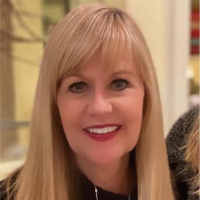
Stress, Anxiety, Family, Trauma and abuse and 9 more
Licensed professional counselors
Counselors who work with Licensed Clinical Social Worker (LCSW)
7 therapists in this directory list Licensed Clinical Social Worker (LCSW). Registration details are shown as each therapist lists them; the body's own public register is the place to check a number.
A Licensed Clinical Social Worker (LCSW) holds a master's degree in social work and state licensure to provide clinical services. Below you can browse verified LCSW therapists who list this credential.
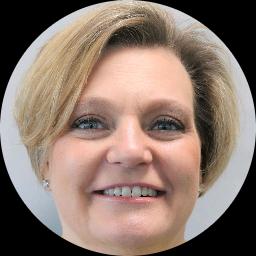
Stress, Anxiety, Relationship, Family and 11 more

Stress, Anxiety, Addictions, Grief and 9 more

Stress, Anxiety, Addictions, Trauma and abuse and 2 more

Stress, Anxiety, Trauma and abuse, Grief and 2 more

Stress, Anxiety, Relationship, Family and 5 more

Stress, Anxiety, Trauma and abuse, Parenting and 1 more
Some links on this page are partner links. We will earn a commission if you sign up through one, at no cost to you. It does not change what you pay or the order of the listings.
What Licensed Clinical Social Worker (LCSW) means - education and licensure
A Licensed Clinical Social Worker, commonly abbreviated LCSW, is a clinical credential issued by a state licensing board to social work professionals who meet education, supervised experience, and examination requirements. Most people who become LCSWs complete a Master of Social Work (MSW) from an accredited program, followed by a period of postgraduate supervised clinical practice. That period is set by the state and commonly involves two to three years and several thousand supervised hours. Candidates must also pass a national clinical examination administered by the Association of Social Work Boards or a similar testing body, and then apply to their state board for licensure. Renewal cycles and continuing education rules vary by state, so the exact steps and timelines differ across jurisdictions.
The state board that issues and renews the LCSW plays a central role in maintaining professional standards and publishing current license status. Because requirements and titles can vary, it is important to look up the rules that apply where you live or where a therapist practices. The LCSW reflects training in clinical social work specifically, which emphasizes both mental health assessment and a broader understanding of social, environmental, and systemic factors that affect functioning.
What an LCSW therapist is qualified to do compared with other license types
An LCSW is qualified to provide clinical assessment, psychotherapy, and case management within the scope defined by that state license. LCSWs bring social work foundations to clinical care, which often includes attention to the person-in-environment, community resources, and coordination with other systems such as schools, medical providers, and social services. This can make LCSWs particularly experienced at connecting clinical goals to practical supports in the community.
It helps to know how LCSW differs from other licenses you may encounter. Licensed Professional Counselors and their state variants - for example LPC, LPCC, and LCPC - are separate credentials with distinct educational and regulatory pathways. Marriage and family therapists and clinical psychologists also follow different training models and boards. Those distinctions matter for scope of practice, typical training emphases, and how practitioners describe their work. On this page you will find professionals who list LCSW as their credential; that tells you about their licensure pathway and not about any single therapeutic approach they may use.
Common specialties and practice settings for LCSW therapists
LCSWs commonly work across a broad range of clinical areas. Many list experience with mood disorders such as depression and anxiety, trauma-related concerns, grief and loss, and family or relationship issues. You will also find LCSWs who focus on child and adolescent behavioral health, perinatal support, aging and elder care, or work with people coping with chronic medical conditions. Because of the social work training emphasis on systems, LCSWs often practice in settings that connect clinical care with social supports, including hospitals, community mental health centers, schools, and nonprofit agencies.
Beyond traditional outpatient psychotherapy, some LCSWs emphasize case management, resource navigation, advocacy, or coordination with other service providers. When browsing profiles, note the areas a clinician highlights and how they describe the populations they work with. Practitioners may list therapeutic approaches among their tools; you should read those as areas they use rather than as official certifications unless a specific credential is shown. This directory records the credential itself, not the depth of training in any single approach.
How to verify a LCSW credential
Verifying licensure is a practical step that helps you confirm a clinician’s current standing with their state board. The most direct route is the state licensing board's online verification search, where you can look up a name or license number. State board records typically show whether a license is active, the date of issuance and expiration, and any public disciplinary actions. The Association of Social Work Boards also provides guidance on licensure processes and links to state boards.
When you check a record, pay attention to the exact title used by the board and the state where the license is issued. LCSW is the common title in many states, but terminology and classifications vary. If you need additional clarification, a state board's published statutes and rules explain the scope of practice for clinical social work in that jurisdiction. Verifying a license helps you confirm that the clinician holds the credential they list and that there are no publicly reported regulatory concerns.
Benefits of choosing an LCSW therapist and tips for finding the right match
If you value a clinician who integrates clinical assessment with attention to social and environmental factors, an LCSW may be a good fit. LCSWs are trained to think about how family dynamics, community resources, and systems shape a person's functioning, and they often bring practical strategies for addressing barriers to progress, such as linking to services or coordinating care across providers. That orientation can be helpful whether you are working on developmental goals, coping with life transitions, or navigating complex social needs alongside mental health concerns.
When you look for an LCSW, consider several practical factors to find a stronger match. Read profiles for stated areas of focus and the populations a clinician lists, and look for language about experience with issues similar to yours. Notice any languages spoken, cultural competencies highlighted, and whether the clinician mentions working in settings that align with your needs. You can also confirm licensure through the state board and ask about session format, fee structures, and whether they coordinate care with other professionals involved in your situation. Comparing focus areas, approaches, credentials, languages, and experience will help you identify clinicians whose background aligns with what you are seeking.
Remember that licensure is one important indicator of professional standing. It tells you about the pathway the clinician completed, including graduate education, supervised clinical hours, and successful completion of a licensing exam. It does not, by itself, define therapeutic fit or the particular ways a clinician practices. Use licensure verification alongside the information clinicians share about their focus and populations served to make an informed choice about who to contact for a conversation about your needs.
Final note on professionals and licensing names
Licensing titles and pathways vary across the United States. Do not confuse LCSW credentials with counselor credentials such as LPC, LPCC, or LCPC - those are separate professions with their own boards and training models. If you live in a state that uses an alternate counselor title, be aware of the difference so you know what each credential represents. This directory identifies clinicians by the license they list so you can focus your search on the professional background that matters most to you.
Keep exploring
Other registers