Amy Wesley is a Licensed Professional Counselor (LPC) and a Licensed Clinical Mental Health Counselor (LCMHC) practicing from North Carolina.
01About Amy
Amy Wesley is a Licensed Professional Counselor (LPC) and a Licensed Clinical Mental Health Counselor (LCMHC) practicing from North Carolina. She focuses on helping people who are struggling with stress, anxiety, relationship tension, parenting strains, self-esteem, grief, and life changes. Her approach is calm and practical, aimed at helping people take small steps that add up to real change.
Amy uses familiar, hands-on methods that help people notice what matters to them and act in ways that match their values.
Background and approach
She draws on Acceptance and Commitment Therapy and Cognitive Behavioral Therapy to help people change unhelpful thoughts and build new habits. Amy also works within a client-centered framework that emphasizes respect and acceptance in the therapy relationship.
She brings nine years of clinical experience to sessions and often helps people sort through blended family concerns, communication and commitment issues, fatherhood and parenting stresses, and feelings of guilt or isolation. Amy also addresses addictions, social anxiety, issues tied to pregnancy and childbirth, and challenges many young adults face as they transition into new roles.
Sessions are conversational and focused on practical skills. Amy helps clients set realistic goals, practice new ways of coping, and track small wins. She supports people exploring identity and LGBT-related concerns and helps them build self-love and healthier social connections.
People who choose Amy can expect a steady, respectful presence and an emphasis on workable tools. She works collaboratively to match approaches to each person’s goals and life circumstances.
02Credentials
- LCMHC (North Carolina)
- License 5051 · expires June 2027
- LPC (South Carolina)
- License 10470 · expires August 2027
- LPCC (California)
- License 19631 · expires June 2027
- NPI
- 1689327470 · national provider identifier
Both are public records. A state board register will confirm a license and its standing, and the national registry will confirm an NPI. This directory copies what the counselor lists and checks neither.
03Focus areas and approaches
Everything Amy lists on their public professional profile, in their own terms.
- Stress, Anxiety
- Relationship issues
- Family conflicts
- Parenting issues
- Self esteem
- Addictions
- LGBT
- Grief
- Anger management
- Career difficulties
- Depression
- Coping with life changes
- Blended family issues
- Commitment issues
- Communication problems
- Control issues
- Family problems
- Fatherhood issues
- Guilt and shame
- Isolation / loneliness
- Pregnancy and childbirth
- Self-love
- Social anxiety and phobia
- Women's issues
- Young adult issues
Methods Amy names
- Acceptance and Commitment Therapy (ACT)
- Client-Centered Therapy
- Cognitive Behavioral Therapy (CBT)
- Dialectical Behavior Therapy (DBT)
- Eye Movement Desensitization and Reprocessing (EMDR)
- Solution-Focused Therapy
These are the methods Amy names on their own professional profile. Naming an approach is not evidence of training or certification in it, and this directory checks no training records. Ask directly if it matters to you.
We will earn a commission if you sign up through our link, at no cost to you. It does not change what you pay or the order of the listings.
04Online support
How therapeutic approaches translate to online care
Amy commonly uses Acceptance and Commitment Therapy and Cognitive Behavioral Therapy in her online work. Acceptance and Commitment Therapy helps people notice what matters to them and commit to small actions that match those values, which is useful for stress, life changes, and low motivation. Cognitive Behavioral Therapy focuses on identifying unhelpful thoughts and testing them with real-world experiments to reduce anxiety and depressive symptoms.Finding the right approach is part of the work. The therapist will talk with each person about goals, preferences, and what feels most useful. Together they will try methods and adjust based on what helps the client make progress and feel more in control of day-to-day challenges.
Online formats include video calls, phone sessions, live chat, and text-based messaging. Video is helpful when visual cues and interactive exercises matter. Phone sessions can be a simpler option when bandwidth is limited or for quick check-ins. Chat and messaging work well for brief check-ins, homework support, or when someone prefers written conversation. These options make it easier to fit therapy into busy schedules and different lifestyles.
05Questions people ask
What concerns does Amy commonly address?
She helps people with stress, anxiety, depression, relationship and family problems, parenting strains, grief, anger, and addiction. Additional focus areas include communication problems, commitment issues, isolation, and pregnancy or childbirth concerns.
What is her general therapy style?
Sessions are conversational and client-centered, with an emphasis on respect and practical tools. Amy blends acceptance-based and cognitive approaches to help clients notice values and change unhelpful habits.
How much clinical experience does she have?
Amy has nine years of experience providing counseling support to adults and people navigating family and life transitions.
What credentials and region are associated with this therapist?
She holds LPC and LCMHC credentials and practices in North Carolina.
Can sessions be held in languages other than English?
Sessions are offered in English.
Are international clients able to work with her?
She accepts international clients, which allows people outside the region to connect for online sessions.
What formats are available for sessions?
Therapy can be scheduled as video calls, phone sessions, live chat, or text-based messaging to fit different needs and routines.
How does billing and starting therapy work?
Cost varies by location and therapist availability and uses a subscription model that can be canceled at any time. To begin, use the Start Therapy button, complete a short matching questionnaire, and schedule according to availability.
More counselors in North Carolina
See all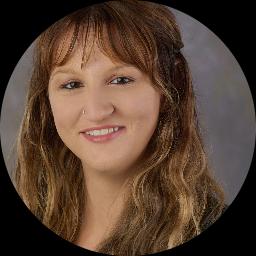
Stress, Anxiety, Trauma and abuse, Grief and 7 more

Stress, Anxiety, Addictions, Trauma and abuse and 14 more
Stress, Anxiety, Anger, Self esteem and 10 more
Stress, Anxiety, Parenting, Self esteem and 16 more
Is this your profile?
Ask us to correct details or take the page down.