Angela Murphy is a licensed professional counselor (LPC) in Idaho with six years of clinical experience.
01About Angela
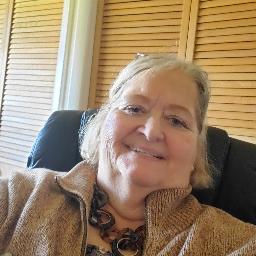
Angela Murphy is a licensed professional counselor (LPC) in Idaho with six years of clinical experience. She focuses on listening closely, helping people feel understood, and guiding them toward clearer next steps. Angela aims to empower women who are coping with stress, trauma, relationship strain, or life transitions.
She draws on person-centered care and practical approaches to help clients develop healthier coping skills. Sessions tend to include problem-solving, building self-compassion, and practicing new ways of relating to oneself and others.
Background and approach
Angela pays attention to how cultural and family messages shaped current patterns of behavior. Her background includes work with trauma and a focus on women's concerns. She also has experience with adoption and foster care themes, attachment issues, sexual assault and abuse, and caregiving stress.
Angela’s training included qualitative research into gender roles, which informs how she thinks about identity and expectations. Therapy with her often mixes talk therapy and skill-based exercises. She helps people notice unhelpful habits and then try different responses.
Many clients work on anxiety, depression, grief, self-esteem, and relationship communication. Angela describes her approach as flexible and tailored to each person. She encourages gradual change, using small, manageable steps.
The goal is clearer coping, more self-compassion, and improved ways of handling everyday challenges.
02Credentials
- LPC (Idaho)
- License LPC-7543 · expires August 2026
- NPI
- 1477191922 · national provider identifier
Both are public records. A state board register will confirm a license and its standing, and the national registry will confirm an NPI. This directory copies what the counselor lists and checks neither.
03Focus areas and approaches
Everything Angela lists on their public professional profile, in their own terms.
- Stress, Anxiety
- Relationship issues
- Family conflicts
- Trauma and abuse
- Parenting issues
- Addictions
- LGBT
- Grief
- Intimacy-related issues
- Eating disorders
- Sleeping disorders
- Anger management
- Self esteem
- Career difficulties
- Depression
- Coping with life changes
- Compassion fatigue
- ADHD
- Adoption and foster care
- Attachment issues
- Caregiver issues and stress
- Communication problems
- Domestic violence
- Family of origin issues
- Family problems
- Multicultural concerns
- Narcissism
- Self-love
- Sexual assault and abuse
- Somatization
- Women's issues
Methods Angela names
These are the methods Angela names on their own professional profile. Naming an approach is not evidence of training or certification in it, and this directory checks no training records. Ask directly if it matters to you.
We will earn a commission if you sign up through our link, at no cost to you. It does not change what you pay or the order of the listings.
04Online support
Therapeutic approaches and online care
Client-Centered Therapy focuses on understanding the person as they are. The therapist listens without judgment and helps the client find their own answers, which can be useful for improving self-esteem and building self-compassion.Cognitive Behavioral Therapy, or CBT, looks at how thoughts, feelings, and behaviors connect. It uses practical exercises to change unhelpful thinking and reduce symptoms like anxiety, depression, or sleep problems.
Trauma-Focused Therapy concentrates on processing past injuries and reducing their hold on daily life. It can help people who are coping with sexual assault, domestic violence, or other traumatic experiences to develop safer coping skills.
Finding the right approach is a collaborative process. The therapist will work with each person to choose and adjust methods based on needs, goals, and preferences rather than using a single fixed method. This helps make sure sessions feel relevant and useful.
Online therapy offers several practical benefits. Video calls let people have fuller conversations and see nonverbal cues, while phone sessions need less bandwidth and can fit into a short break. Live chat and text-based messaging are convenient for brief check-ins, journaling between sessions, or when writing is easier than speaking. These options provide flexibility for different schedules and communication styles, making it easier to keep therapy consistent.
05Questions people ask
What concerns does Angela commonly address?
She supports people with anxiety, depression, stress, trauma and abuse, grief, self-esteem issues, addictions, and relationship or intimacy-related problems.
How would you describe her therapy style?
Her style is person-centered and practical, combining listening with skill-building and self-compassion work tailored to each individual.
What is her clinical background?
She has six years of experience, experience with trauma work, and research training focused on women and gender roles.
Where is she licensed and located?
She is a licensed professional counselor, LPC, practicing in Idaho.
In which languages are sessions offered?
Sessions are offered in English.
What session formats are available?
Therapy is offered via video calls, phone sessions, live chat, and text-based messaging.
How does billing and cost work?
Cost varies with location and therapist availability; sessions are provided through a subscription model that can be canceled at any time.
How do I begin working with her?
Start by selecting the Start Therapy button, complete a short matching questionnaire, and then schedule sessions based on therapist availability.
More counselors in Idaho
See all
Stress, Anxiety, Addictions, Trauma and abuse and 2 more
Stress, Anxiety, LGBT, Relationship and 17 more

Stress, Anxiety, Relationship, Family and 2 more

Stress, Anxiety, Addictions, Relationship and 7 more
Is this your profile?
Ask us to correct details or take the page down.