Barbara Kirkman is a Licensed Professional Counselor (LPC) with four decades of clinical experience.
01About Barbara
Barbara Kirkman is a Licensed Professional Counselor (LPC) with four decades of clinical experience. She draws on long-term work in addiction and community mental health to help people who are overwhelmed by stress, anxiety, depression, grief, trauma, or problems with substance use. Barbara writes plainly and focuses on practical steps people can use in daily life.
Barbara began her career after earning a master’s degree in counseling psychology and working in a recovery center.
Background and approach
She supervised aftercare services and later worked as an outpatient therapist at a community mental health agency. Those roles shaped her understanding of early recovery and long-term coping strategies. She uses client-centered methods to put each person’s goals first.
Cognitive behavioral techniques are offered to identify patterns of thinking and to build concrete coping skills. Mindfulness practices are used to help people notice the present moment and reduce reactivity. Barbara’s background includes lived experience with addiction and domestic abuse, and she draws on that perspective when supporting people facing similar challenges.
Her approach is flexible and nonjudgmental, and she encourages self-awareness and steady progress. Sessions are scheduled mainly during daytime hours, with some evening and weekend options. People can expect a straightforward, collaborative process that focuses on finding workable solutions and improving day-to-day functioning.
02Credentials
- LPC (Texas)
- License 16754 · expires November 2027
- NPI
- 1275503260 · national provider identifier
Both are public records. A state board register will confirm a license and its standing, and the national registry will confirm an NPI. This directory copies what the counselor lists and checks neither.
03Focus areas and approaches
Everything Barbara lists on their public professional profile, in their own terms.
- Stress, Anxiety
- Addictions
- Family conflicts
- Bipolar disorder
- Depression
- Relationship issues
- Trauma and abuse
- Grief
- Intimacy-related issues
- Eating disorders
- Sleeping disorders
- Parenting issues
- Anger management
- Self esteem
- Career difficulties
- Coping with life changes
- ADHD
- Abandonment
- Aging and geriatric issues
- Codependency
- Divorce and separation
- Domestic violence
- Drug and alcohol addiction
- Guilt and shame
- Infidelity
- Multicultural concerns
- Personality disorders
- Polyamory / non-monogamous relationships
- Post-traumatic stress
- Seasonal Affective Disorder (SAD)
- Self-harm
- Sexual assault and abuse
- Social anxiety and phobia
Methods Barbara names
These are the methods Barbara names on their own professional profile. Naming an approach is not evidence of training or certification in it, and this directory checks no training records. Ask directly if it matters to you.
We will earn a commission if you sign up through our link, at no cost to you. It does not change what you pay or the order of the listings.
04Online support
How her approaches translate to online therapy
Barbara practices client-centered therapy, which focuses on the person’s own goals and experiences and helps shape each session around what matters most to the client. This approach is useful for people who want a supportive, nonjudgmental space to make decisions and try new coping strategies.She also uses cognitive behavioral therapy, a hands-on method that helps people spot unhelpful thoughts and try different behaviors. CBT can be helpful for anxiety, depression, stress, and patterns that feed substance use. Mindfulness therapy is another tool she offers to help people notice thoughts and feelings without automatically reacting, which can reduce emotional ups and downs.
Barbara treats the choice of approach as a joint decision. She will discuss goals, preferences, and what feels most useful, and then adjust techniques as work progresses. The process is collaborative rather than one-size-fits-all.
Online formats include video calls, phone sessions, live chat, and text-based messaging. Video sessions allow face-to-face conversation and visual cues, phone sessions can be easier when bandwidth is limited, live chat is useful for shorter check-ins, and messaging supports ongoing reflection between meetings. These options make it simpler to fit therapy into a busy schedule and support steady progress over time.
05Questions people ask
What concerns does she help with?
Barbara works with a wide range of issues including stress, anxiety, depression, addictions, trauma and grief, as well as relationship and intimacy concerns.
How would you describe her therapy style?
Her style is client-centered and collaborative, using CBT and mindfulness to build practical skills and promote self-awareness.
What experience does she bring?
She has 40 years of experience, including work in recovery centers, aftercare supervision, and outpatient community mental health.
Where is she licensed and based?
Barbara holds a Texas LPC credential and practices from Texas.
Does she offer sessions in other languages or to international clients?
Sessions are offered in English, and she accepts international clients.
What session formats are available?
She offers video calls, phone sessions, live chat, and text-based messaging to fit different needs.
How does cost work for sessions?
Cost varies with location and therapist availability; sessions use a subscription model that can be canceled at any time.
How do I begin working with her?
Start by selecting the Start Therapy button, complete a short matching questionnaire, and schedule according to therapist availability.
More counselors in Texas
See all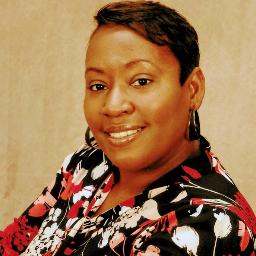
Relationship, Family, Anger and 13 more

Stress, Anxiety, Self esteem, Career and 2 more

Stress, Anxiety, Depression, Coping with life changes
Stress, Anxiety, LGBT, Relationship and 15 more
Is this your profile?
Ask us to correct details or take the page down.