Dr.
01About Carol
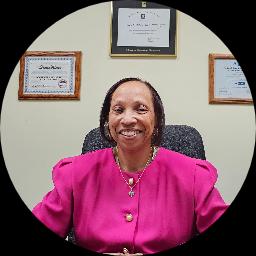
Dr. Carol Bunch brings 25 years of counseling experience to people looking for practical help with painful life problems. She holds licenses as a Licensed Clinical Mental Health Counselor and a Licensed Professional Counselor and practices in North Carolina.
Her approach centers on helping people name what hurts and find manageable steps forward. She works with a wide range of concerns including stress, anxiety, addictions, depression, grief, trauma, relationship and intimacy issues, anger, and compassion fatigue.
Background and approach
Dr. Bunch also focuses on challenges such as abandonment, blended family issues, codependency, infidelity, and substance misuse. She helps people sort through family-of-origin problems and the fallout from separation or divorce.
Dr. Bunch blends practical therapy methods with a straightforward style. She uses tools from Cognitive Behavioral Therapy to challenge unhelpful thoughts and from Emotionally-Focused Therapy to improve emotional connection in relationships.
Motivational Interviewing is part of her approach when people need help finding the drive to change. Trauma-Focused Therapy is used when past events continue to cause pain. Sessions are offered online by video, phone, live chat, or text messaging to fit different schedules and communication preferences.
The subscription model for sessions can be canceled at any time. Prospective clients complete a short matching questionnaire and schedule sessions based on therapist availability. People who want a direct, faith-informed emphasis on healing and forgiveness may find her style helpful.
The focus in sessions is on clear next steps, rebuilding self-worth, and restoring relationships.
02Credentials
- LCMHC (North Carolina)
- License 3529 · expires June 2027
- LPC (Virginia)
- License 0701010134 · expires June 2026
- LCMHC (New Hampshire)
- License 3542 · expires June 2026
- LPC (Texas)
- License 93246 · expires May 2027
- NPI
- 1154466985 · national provider identifier
Both are public records. A state board register will confirm a license and its standing, and the national registry will confirm an NPI. This directory copies what the counselor lists and checks neither.
03Focus areas and approaches
Everything Carol lists on their public professional profile, in their own terms.
- Stress, Anxiety
- Addictions
- Relationship issues
- Self esteem
- Depression
- Family conflicts
- Trauma and abuse
- Grief
- Intimacy-related issues
- Anger management
- Coping with life changes
- Compassion fatigue
- Abandonment
- Blended family issues
- Codependency
- Communication problems
- Coping with natural or human-caused disaster
- Divorce and separation
- Domestic violence
- Drug and alcohol addiction
- Family of origin issues
- Family problems
- Forgiveness
- Infidelity
- Isolation / loneliness
- Veteran and Armed Forces Issues
- Mood disorders
- Multicultural concerns
- Personality disorders
- Post-traumatic stress
- Prejudice and discrimination
- Seasonal Affective Disorder (SAD)
- Self-love
- Women's issues
- Workplace issues
Methods Carol names
- Cognitive Behavioral Therapy (CBT)
- Emotionally-Focused Therapy (EFT)
- Motivational Interviewing
- Trauma-Focused Therapy
These are the methods Carol names on their own professional profile. Naming an approach is not evidence of training or certification in it, and this directory checks no training records. Ask directly if it matters to you.
We will earn a commission if you sign up through our link, at no cost to you. It does not change what you pay or the order of the listings.
04Online support
How therapeutic approaches work online
Dr. Bunch commonly uses Cognitive Behavioral Therapy and Emotionally-Focused Therapy to guide online work. CBT focuses on identifying and shifting unhelpful thoughts and behaviors to reduce symptoms like anxiety or depression. EFT helps people notice and change patterns in how they respond emotionally in close relationships to improve connection and trust.She also brings elements of Motivational Interviewing when someone feels stuck about change. That approach helps people clarify what matters most to them and build internal motivation to move forward. Choosing the right approach is a collaborative process - the therapist and client discuss goals, try methods, and adjust plans together to find what fits best.
Online therapy makes these approaches accessible through video calls, phone sessions, live chat, or text-based messaging. Video is useful for a full conversation and visual cues, phone calls work well when bandwidth is limited, live chat can suit quick check-ins, and text messaging supports brief reflections or ongoing support between sessions. These options let people fit therapy into work, school, or caregiving schedules and keep continuity when travel or relocation makes in-person visits difficult.
05Questions people ask
What kinds of problems does she help with?
She works with stress, anxiety, depression, addictions, trauma and grief. Relationship and intimacy concerns, anger, and compassion fatigue are also listed areas of focus.
What is her general approach in sessions?
Her style is practical and straightforward. She uses methods that help people change thoughts, strengthen emotional connection, and build motivation to make different choices.
How much clinical experience does she have?
She has 25 years of experience working in counseling and independent practice. That experience covers a range of common and complex problems.
Where is she licensed and based?
She holds NC LCMHC and TX LPC credentials and practices from North Carolina.
Which languages are offered for sessions?
Sessions are offered in English.
What formats are available for online sessions?
Sessions can be conducted by video calls, phone sessions, live chat, or text-based messaging depending on the client’s needs and preferences.
How are fees handled?
Cost varies with location and therapist availability. Sessions use a subscription model that can be canceled at any time.
How do I begin working with her?
Start by selecting the Start Therapy button and completing a short matching questionnaire. After that, schedule sessions according to therapist availability.
More counselors in North Carolina
See all
Stress, Anxiety, Trauma and abuse, Grief and 7 more

Stress, Anxiety, Addictions, Trauma and abuse and 14 more
Stress, Anxiety, Anger, Self esteem and 10 more
Stress, Anxiety, Parenting, Self esteem and 16 more
Is this your profile?
Ask us to correct details or take the page down.