Chris (Christopher) McKillop helps people facing stress, anxiety, depression, anger, and addictions.
01About Chris
Chris (Christopher) McKillop helps people facing stress, anxiety, depression, anger, and addictions. He supports those coping with trauma and grief, parenting pressures, career shifts, bipolar symptoms, ADHD, self-esteem struggles, and LGBTQ concerns. Chris holds ME LCPC and NC LCMHC and has eleven years of experience in the field.
He aims to make therapy straightforward and practical. Sessions focus on clear goals, skill building, and small changes that add up. He keeps language simple and uses exercises people can try between meetings.
Background and approach
Chris works in a calm, nonjudgmental way. He listens first, then suggests options that fit each person's life. The tone is collaborative - clients help shape the focus and pace of work.
He uses a mix of approaches that include Acceptance and Commitment Therapy, Cognitive Behavioral Therapy, and mindfulness practices. Those tools are used to reduce unhelpful patterns, manage strong emotions, and increase day-to-day functioning. Over eleven years he has supported many people through major life changes and ongoing struggles.
The goal is practical improvement: clearer thinking, steadier mood, and habits that support long-term wellbeing. Chris aims to help people feel more in control and able to move forward.
02Credentials
- LCMHC (North Carolina)
- License 10581 · expires June 2027
- LCPC (Maine)
- License CC5497 · expires April 2028
- LPCC (California)
- License 17895 · expires October 2026
- NPI
- 1073925020 · national provider identifier
Both are public records. A state board register will confirm a license and its standing, and the national registry will confirm an NPI. This directory copies what the counselor lists and checks neither.
03Focus areas and approaches
Everything Chris lists on their public professional profile, in their own terms.
- Stress, Anxiety
- Anger management
- Depression
- Addictions
- LGBT
- Family conflicts
- Trauma and abuse
- Grief
- Parenting issues
- Self esteem
- Career difficulties
- Bipolar disorder
- Coping with life changes
- ADHD
Methods Chris names
- Acceptance and Commitment Therapy (ACT)
- Client-Centered Therapy
- Cognitive Behavioral Therapy (CBT)
- Dialectical Behavior Therapy (DBT)
- Mindfulness Therapy
- Motivational Interviewing
- Solution-Focused Therapy
- Trauma-Focused Therapy
These are the methods Chris names on their own professional profile. Naming an approach is not evidence of training or certification in it, and this directory checks no training records. Ask directly if it matters to you.
We will earn a commission if you sign up through our link, at no cost to you. It does not change what you pay or the order of the listings.
04Online support
Evidence-based approaches for online care
Acceptance and Commitment Therapy (ACT) helps people notice unhelpful thoughts and commit to actions that match their values. It is useful for anxiety, depression, and problems that come from avoidance. Cognitive Behavioral Therapy (CBT) focuses on changing unhelpful thinking and behavior patterns through practical exercises and real-life practice. It often helps with anxiety, mood problems, and stress. Mindfulness Therapy teaches simple attention and breathing skills to reduce reactivity and improve focus, which can support emotion regulation and coping.Choosing the right approach is part of the work. Chris will discuss options and help decide what fits best based on a person's goals, preferences, and day-to-day life. That decision is made together and can be adjusted as therapy progresses.
Online therapy offers flexible ways to connect, including video calls, phone sessions, live chat, and text-based messaging. Video is effective for deeper conversation and visual cues. Phone sessions can be a good choice when bandwidth or camera use is limited. Live chat and text messaging work well for short check-ins, homework support, or quick coping tools between meetings. These options make it easier to fit care into busy routines and different schedules.
05Questions people ask
What kinds of problems does Chris address?
He works with stress, anxiety, anger, depression, addictions, trauma and abuse, grief, parenting strain, self-esteem issues, career concerns, bipolar symptoms, ADHD, and LGBT-related concerns.
What is his therapeutic style like?
His style is collaborative and nonjudgmental, focusing on clear goals and practical skills people can use between sessions.
How much experience does he have?
Chris has eleven years of clinical experience supporting people through emotional and life challenges.
What credentials and location are listed?
He holds ME LCPC and NC LCMHC credentials and practices with a California location listed in his profile.
Which languages and international options are available?
Sessions are offered in English and international clients are not currently accepted.
What session formats are offered?
He offers video calls, phone sessions, live chat, and text-based messaging to suit different needs and schedules.
How does billing and cost work?
Cost varies with location and therapist availability; sessions use a subscription model that can be canceled at any time.
How do I begin therapy with him?
Click the Start Therapy button, complete a short matching questionnaire, and schedule sessions according to the therapist's availability.
More counselors in California
See all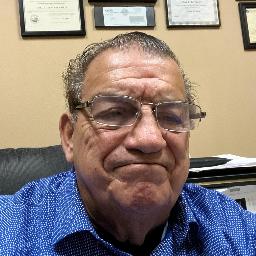
Stress, Anxiety, Relationship, Family and 8 more

Trauma and abuse, Addictions, Grief and 2 more

Stress, Anxiety, Relationship, Family and 10 more

Stress, Anxiety, Relationship, Trauma and abuse and 2 more
Is this your profile?
Ask us to correct details or take the page down.