Danny Hicks Jr uses a practical, person-focused approach to help people tackle stress, anxiety, addiction, relationship problems, trauma, and depression.
01About Danny
Danny Hicks Jr uses a practical, person-focused approach to help people tackle stress, anxiety, addiction, relationship problems, trauma, and depression. He holds LPCC and has eight years of professional experience. He aims to meet people where they are and tailor conversations to individual needs.
He works in a straightforward way that centers the client's goals. Sessions focus on what is most pressing, whether that is managing strong emotions, reducing compulsive behaviors, or improving communication.
Background and approach
He listens with sensitivity and adjusts methods based on how a person responds. His background includes work supporting people through grief, mood problems, and relationship strain. He draws on techniques that help people recognize unhelpful patterns and practice new behaviors in everyday life.
He also addresses related concerns like body image, isolation, and difficulty trusting others. Danny combines skills from several well-known approaches to meet practical needs. He uses strategies to change thinking patterns, build emotion regulation skills, and strengthen attachment and connection.
Sessions are collaborative and paced to the client’s comfort. He accepts clients in California and also holds Minnesota LPCC credentials. Conversations are conducted in English.
The overall aim is to empower clients to make clearer choices and to feel more in control of their daily life.
02Credentials
- LPCC (California)
- License 15952 · expires February 2026
- LPCC (Minnesota)
- License 2963 · expires August 2026
- NPI
- 1841806924 · national provider identifier
Both are public records. A state board register will confirm a license and its standing, and the national registry will confirm an NPI. This directory copies what the counselor lists and checks neither.
03Focus areas and approaches
Everything Danny lists on their public professional profile, in their own terms.
- Stress, Anxiety
- Addictions
- Relationship issues
- Trauma and abuse
- Depression
- Abandonment
- Attachment issues
- Body image
- Caregiver issues and stress
- Chronic pain, illness, and disability
- Communication problems
- Control issues
- Divorce and separation
- Forgiveness
- Guilt and shame
- Impulsivity
- Isolation / loneliness
- Life purpose
- Money and financial issues
- Mood disorders
- Narcissism
- Panic disorder and panic attacks
- Post-traumatic stress
- Self-love
- Sexuality
- Social anxiety and phobia
- Workplace issues
Methods Danny names
- Acceptance and Commitment Therapy (ACT)
- Attachment-Based Therapy
- Client-Centered Therapy
- Cognitive Behavioral Therapy (CBT)
- Dialectical Behavior Therapy (DBT)
- Emotionally-Focused Therapy (EFT)
- Existential Therapy
- Gottman Method
- Imago Relationship Therapy
- Jungian Therapy
- Mindfulness Therapy
- Motivational Interviewing
- Internal Family Systems
These are the methods Danny names on their own professional profile. Naming an approach is not evidence of training or certification in it, and this directory checks no training records. Ask directly if it matters to you.
We will earn a commission if you sign up through our link, at no cost to you. It does not change what you pay or the order of the listings.
04Online support
How these approaches translate to online therapy
Acceptance and Commitment Therapy (ACT) emphasizes noticing thoughts and choosing actions that fit personal values. Online ACT sessions often focus on small experiments clients can do between meetings to build a more meaningful routine. Cognitive Behavioral Therapy (CBT) targets patterns of thinking that increase distress and teaches practical strategies to change them. CBT online typically involves short homework tasks and skill practice that can be reviewed during video or chat sessions.Finding the right approach is part of the work. The therapist will collaborate with each client to identify goals, try different methods, and adjust as needed. That means starting with a plan, checking what helps, and shifting focus if something isn’t working for the person.
Online formats include video calls, phone sessions, live chat, and text-based messaging. Video calls are good for deeper conversations and role‑playing exercises. Phone sessions can be easier when lower bandwidth is needed or when clients prefer not to be on camera. Live chat and text messaging work well for short check-ins, quick tools, or carrying on work between sessions. These options aim to make therapy more flexible and easier to fit into daily life.
05Questions people ask
What concerns does this therapist address?
Danny helps people with stress, anxiety, addictions, relationship issues, trauma and abuse, and depression. He also works on related issues like abandonment, body image, chronic pain, and mood disorders.
What is the therapist's general approach in sessions?
He uses practical, client-centered methods drawing from Acceptance and Commitment Therapy, Cognitive Behavioral Therapy, Dialectical Behavior Therapy, and Attachment-Based Therapy. Sessions focus on real-life steps and skills the client can try between meetings.
How much experience does the therapist have?
He has eight years of professional experience working with the concerns listed in the profile. That background includes supporting people through trauma, mood problems, and relationship challenges.
What credentials and location should I know about?
He is listed with the credential LPCC and holds MN LPCC and CA LPCC licensing details. His practice is based in California.
Are sessions available in other languages or internationally?
Sessions are offered in English. International clients are accepted.
Which session formats are offered?
Sessions can be conducted via video calls, phone sessions, live chat, or text-based messaging. These options allow different ways to connect depending on needs and circumstances.
How is cost handled for sessions?
Cost varies by location and therapist availability. Sessions use a subscription that can be canceled at any time.
What are the steps to begin working together?
Start by selecting the Start Therapy button and completing a short matching questionnaire. Then schedule sessions according to therapist availability.
More counselors in California
See all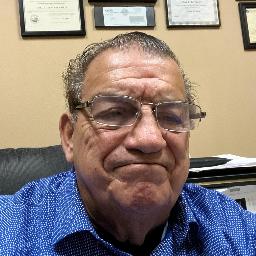
Stress, Anxiety, Relationship, Family and 8 more

Trauma and abuse, Addictions, Grief and 2 more

Stress, Anxiety, Relationship, Family and 10 more

Stress, Anxiety, Relationship, Trauma and abuse and 2 more
Is this your profile?
Ask us to correct details or take the page down.