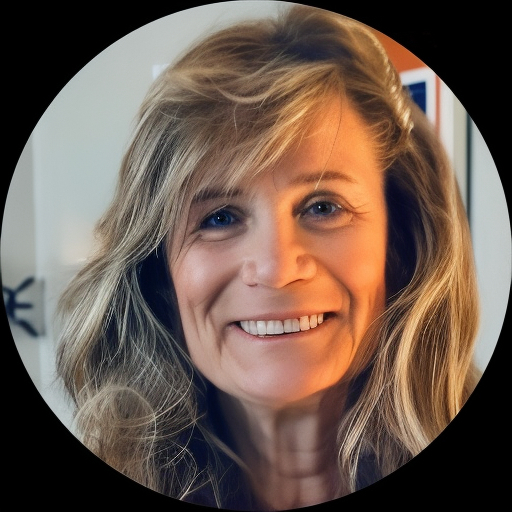
Elizabeth Barthol is a licensed professional counselor practicing in Michigan.
01About Elizabeth
Elizabeth Barthol is a licensed professional counselor practicing in Michigan. She brings ten years of experience helping people facing stress, anxiety, depression, and struggles with self-esteem. She works with clients on LGBT-related concerns and supports those coping with big life changes.
Barthol focuses on practical conversation tailored to each person. Sessions aim to identify what feels stuck and find small, manageable steps forward. She prioritizes respect, sensitivity, and compassion in how she listens and responds.
Background and approach
Her background includes a decade of direct clinical work with a range of concerns. That experience informs how she crafts treatment plans with real-life routines and skills rather than abstract theory. She helps people build coping strategies they can use between sessions.
Elizabeth pays attention to how trauma, grief, and relationship patterns affect day-to-day life. She also addresses challenges such as anger, attention difficulties, bipolar symptoms, and compassion fatigue. Parenting stress, adoption and foster care issues, and blended family dynamics are included in her focus areas.
Sessions are adaptable to each person’s needs. Conversations can cover communication problems, control issues, forgiveness, gender dysphoria, and related concerns. The goal is to support clients toward clearer values, steadier emotions, and better daily functioning.
She speaks English and practices as an LPC in Michigan. People seeking support are offered a collaborative space where goals and pacing are set together.
02Credentials
- LPC (Michigan)
- License 6401014769 · expires November 2027
- NPI
- 1801304860 · national provider identifier
Both are public records. A state board register will confirm a license and its standing, and the national registry will confirm an NPI. This directory copies what the counselor lists and checks neither.
03Focus areas and approaches
Everything Elizabeth lists on their public professional profile, in their own terms.
- Stress, Anxiety
- LGBT
- Self esteem
- Depression
- Coping with life changes
- Trauma and abuse
- Grief
- Intimacy-related issues
- Parenting issues
- Anger management
- Bipolar disorder
- Compassion fatigue
- ADHD
- Adoption and foster care
- Autism and Asperger Syndrome
- Blended family issues
- Caregiver issues and stress
- Co-morbidity
- Communication problems
- Control issues
- Divorce and separation
- Domestic violence
- Family problems
- Forgiveness
- Gender dysphoria
- Guilt and shame
- HIV / AIDS
- Impulsivity
- Isolation / loneliness
- Life purpose
- Midlife crisis
- Narcissism
- Post-traumatic stress
- Seasonal Affective Disorder (SAD)
- Self-harm
- Self-love
- Sexuality
- Social anxiety and phobia
- Young adult issues
We will earn a commission if you sign up through our link, at no cost to you. It does not change what you pay or the order of the listings.
04Online support
Evidence-based approaches and online care
Elizabeth uses evidence-based therapeutic techniques to guide sessions in straightforward, practical ways. One common approach focuses on building coping skills for stress and anxiety through step-by-step behavior and thought strategies. This helps people handle daily triggers and reduce overwhelming reactions. Another approach emphasizes processing trauma and grief by slowly naming difficult memories and practicing new ways to respond, which can ease intense emotions over time.Finding the right approach is part of the work. The therapist will talk with each person about their needs, goals, and preferences and then choose methods together. That collaborative process means approaches can shift as progress is made or as new priorities appear.
Online sessions are offered as video calls, phone sessions, live chat, or text-based messaging to make therapy fit into busy lives. Video calls are useful for face-to-face conversation and visual cues. Phone sessions can be easier when bandwidth is limited or a shorter check-in is needed. Live chat or text messaging works well for people who prefer writing, want quick touchpoints, or need flexible timing. These options aim to increase accessibility and make regular work toward goals more practical.
05Questions people ask
What kinds of problems does this therapist help with?
She helps people with stress, anxiety, depression, low self-esteem, grief, trauma and abuse, and intimacy-related issues. Additional focuses include parenting stress, ADHD, bipolar concerns, and compassion fatigue.
What is the therapist's approach or style in sessions?
The style is collaborative and practical, focusing on respectful, sensitive conversations. Sessions aim to identify root problems and develop small, usable steps clients can try between meetings.
How much clinical experience does the therapist have?
She has ten years of professional work experience in counseling and related clinical settings. That experience is used to shape realistic plans and coping strategies.
What credentials and location are listed for this therapist?
She is a Licensed Professional Counselor, LPC, practicing in Michigan. The profile lists Michigan as her practice location.
In which languages are sessions offered?
Sessions are offered in English. International clients are not currently accepted.
What session formats are available for meeting remotely?
Sessions can be scheduled as video calls, phone sessions, live chat, or text-based messaging. Different formats can be used to match scheduling and communication needs.
How are costs handled for sessions?
Cost varies with location and therapist availability and is managed through a subscription model. The subscription can be canceled at any time.
What is the process to begin therapy here?
Start by selecting the Start Therapy button and completing a short matching questionnaire. After that, schedule sessions according to the therapist's availability.
More counselors in Michigan
See all
Relationship, Self esteem, Career and 2 more

Stress, Anxiety, LGBT, Trauma and abuse and 1 more

Stress, Anxiety, Addictions, Trauma and abuse and 11 more
Stress, Anxiety, Grief, Depression and 13 more
Is this your profile?
Ask us to correct details or take the page down.