Erika Williams-Walker is a Licensed Professional Counselor practicing in Georgia.
01About Erika
Erika Williams-Walker is a Licensed Professional Counselor practicing in Georgia. She brings 18 years of experience in behavioral health to sessions and focuses on helping people navigate stress, anxiety, addiction, grief, and relationship and family struggles. She aims to create a warm, straightforward space where clients feel comfortable sharing hard things.
Erika uses clear, practical methods to help people manage symptoms and make changes that matter day to day. She often draws on cognitive behavioral strategies to identify unhelpful thoughts and build new habits.
Background and approach
She also works from a trauma-focused perspective when past harm is affecting current life. Her background includes work in local government, nonprofit agencies, and hospitals. That range of settings shaped how she responds to crises and long-term challenges alike.
Much of her clinical experience has been supporting women facing addiction, homelessness, depression, parenting and trauma from childhood sexual and emotional abuse. Erika describes her style as welcoming, honest, and concerned. She tailors sessions to each person's needs rather than insisting on a single method.
She also brings coaching skills for clients focused on goals like career changes, life purpose, or managing caregiver and blended family stress. She holds a Bachelor of Science in Psychology from the University of Tennessee at Knoxville and a Master of Arts in Professional Counseling from Argosy University.
As an LPC she works with people seeking practical support for coping, recovery, and life transitions.
02Credentials
- LPC (Georgia)
- License LPC005197 · expires September 2026
- NPI
- 1154085686 · national provider identifier
Both are public records. A state board register will confirm a license and its standing, and the national registry will confirm an NPI. This directory copies what the counselor lists and checks neither.
03Focus areas and approaches
Everything Erika lists on their public professional profile, in their own terms.
- Trauma and abuse
- Coaching
- Stress, Anxiety
- Addictions
- Relationship issues
- Family conflicts
- Grief
- Intimacy-related issues
- Parenting issues
- Anger management
- Self esteem
- Career difficulties
- Bipolar disorder
- Depression
- Coping with life changes
- Compassion fatigue
- ADHD
- Blended family issues
- Caregiver issues and stress
- Codependency
- Commitment issues
- Communication problems
- Control issues
- Divorce and separation
- Drug and alcohol addiction
- Family of origin issues
- Family problems
- Fatherhood issues
- Forgiveness
- Guilt and shame
- Isolation / loneliness
- Life purpose
- Midlife crisis
- Mood disorders
- Self-love
- Women's issues
- Workplace issues
Methods Erika names
These are the methods Erika names on their own professional profile. Naming an approach is not evidence of training or certification in it, and this directory checks no training records. Ask directly if it matters to you.
We will earn a commission if you sign up through our link, at no cost to you. It does not change what you pay or the order of the listings.
04Online support
How these approaches translate to online therapy
Client-Centered Therapy focuses on listening without judgment and following the client's lead. In online sessions this means the therapist prioritizes what matters most to the client and adapts pacing and goals to their concerns. Cognitive Behavioral Therapy, or CBT, looks at the links between thoughts, feelings, and actions and teaches practical skills to change unhelpful patterns. Online CBT sessions typically include skill practice, structured exercises, and brief homework between meetings.Trauma-Focused Therapy targets the ways past harm continues to affect daily life and safety. When used online, the approach moves at a pace that the client can handle and includes grounding and coping strategies to manage strong reactions. Deciding which approach to use is a collaborative process. The therapist will talk through goals, preferences, and what has worked or not worked before, and then tailor a plan together rather than imposing a single method.
Online formats such as video calls, phone sessions, live chat, and text-based messaging offer flexibility. Video is useful when visual cues help the work. Phone sessions can be easier when bandwidth is limited or when a shorter check-in is needed. Live chat and text messaging let clients share updates or get support between longer sessions. These options make it easier to fit therapy into work, caregiving, and other busy schedules.
05Questions people ask
What concerns does Erika commonly address?
She helps people with trauma and abuse, addictions, stress and anxiety, depression, grief, relationship and intimacy questions, parenting challenges, ADHD, and career or life purpose concerns.
How would you describe her therapeutic style?
Her style is welcoming, honest, and concerned. She uses practical, goal-focused work and adapts methods to each person's needs.
What kind of experience does she bring?
Erika has 18 years in behavioral health and has worked in government, nonprofit, and hospital settings, giving her experience with both crisis care and longer-term counseling.
What are her credentials and where is she licensed?
She is a Licensed Professional Counselor - LPC - licensed in Georgia.
Which languages does she offer sessions in?
Sessions are offered in English.
What formats are available for sessions?
She meets via video calls, phone sessions, live chat, and text-based messaging to fit different schedules and needs.
How are sessions paid for and what do they cost?
Cost varies with location and therapist availability. Sessions use a subscription model that can be canceled at any time.
How do I begin working with her?
Start by selecting the Start Therapy button, complete a short matching questionnaire, and then schedule according to therapist availability.
More counselors in Georgia
See all
Stress, Anxiety, Family, Anger and 2 more
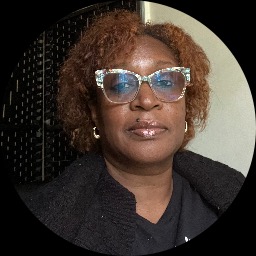
Stress, Anxiety, Addictions, Relationship and 16 more

Stress, Anxiety, Relationship, Family and 14 more
Stress, Anxiety, Addictions, Relationship and 2 more
Is this your profile?
Ask us to correct details or take the page down.