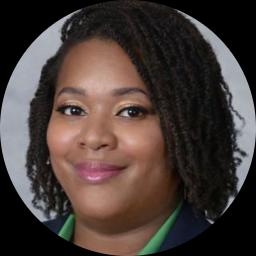
Kara Anderson is a Licensed Professional Clinical Counselor (LPCC) and Licensed Mental Health Counselor (LMHC) with 29 years of clinical experience.
01About Kara
Kara Anderson is a Licensed Professional Clinical Counselor (LPCC) and Licensed Mental Health Counselor (LMHC) with 29 years of clinical experience. She offers a calm, direct, and compassionate presence in sessions. Parents and adults often find her straightforward style and practical tasks helpful when life feels overwhelming.
She began her career in 1994 as a residential therapist in a psychiatric hospital. Over time she moved into outpatient care, clinical supervision, and program leadership at substance use treatment programs.
Background and approach
From 2001 to 2014 she worked in Ohio as an LPCC - Supervisor and program manager before returning to Florida and shifting to online practice. Her approach is humanistic and relationship-focused. She emphasizes genuineness, empathy, and unconditional positive regard while also using structure when needed.
Clients may receive therapeutic homework or skill practice between sessions to keep progress steady. Kara blends several methods to match each person’s needs, including client-centered work, cognitive behavioral techniques, dialectical behavior strategies, mindfulness, and motivational interviewing. She takes a holistic view that links stress or symptoms to life domains like work, family, and health, and helps people explore balance across those areas.
Her background includes a bachelor’s in psychology from the University of Miami and a master’s in mental health counseling from Nova Southeastern University. She also completed postgraduate coursework in career counseling and in diagnosis and treatment of mental disorders. Kara keeps learning through seminars and self-study to refine practical tools she uses with clients.
02Credentials
- LMHC (Florida)
- License MH5069 · expires March 2027
- LPCC (Ohio)
- License E.0500133-SUPV · expires September 2027
- NPI
- 1437718467 · national provider identifier
Both are public records. A state board register will confirm a license and its standing, and the national registry will confirm an NPI. This directory copies what the counselor lists and checks neither.
03Focus areas and approaches
Everything Kara lists on their public professional profile, in their own terms.
- Stress, Anxiety
- Addictions
- Relationship issues
- Trauma and abuse
- Grief
- LGBT
- Family conflicts
- Intimacy-related issues
- Parenting issues
- Anger management
- Self esteem
- Career difficulties
- Depression
- Coping with life changes
- Coaching
- Compassion fatigue
- ADHD
- Blended family issues
- Body image
- Caregiver issues and stress
- Chronic pain, illness, and disability
- Codependency
- Communication problems
- Divorce and separation
- Drug and alcohol addiction
- Eating and food-related issues
- Family of origin issues
- Family problems
- Forgiveness
- Gender dysphoria
- Guilt and shame
- Life purpose
- Multicultural concerns
- Polyamory / non-monogamous relationships
- Seasonal Affective Disorder (SAD)
- Self-love
- Sex addiction
- Sexual assault and abuse
- Sexuality
- Social anxiety and phobia
- Women's issues
- Workplace issues
- Young adult issues
Methods Kara names
- Client-Centered Therapy
- Cognitive Behavioral Therapy (CBT)
- Dialectical Behavior Therapy (DBT)
- Mindfulness Therapy
- Motivational Interviewing
- Narrative Therapy
- Psychodynamic Therapy
- Solution-Focused Therapy
- Trauma-Focused Therapy
- Internal Family Systems
These are the methods Kara names on their own professional profile. Naming an approach is not evidence of training or certification in it, and this directory checks no training records. Ask directly if it matters to you.
We will earn a commission if you sign up through our link, at no cost to you. It does not change what you pay or the order of the listings.
04Online support
Therapeutic approaches you can use online
Client-centered therapy focuses on building a trusting relationship and listening closely to what matters most to the person. It helps when someone needs acceptance, emotional support, and a space to make sense of their life.Cognitive Behavioral Therapy, or CBT, teaches practical ways to spot unhelpful thoughts and test new behaviors. It is useful for anxiety, depression, stress, and life changes where skills and clear steps can reduce distress.
Dialectical Behavior Therapy, DBT, offers concrete skills for managing intense emotions, improving relationships, and tolerating distress. It is often used when emotions feel overwhelming or when someone struggles with impulsive behavior.
Finding the best approach is part of the work together. The therapist will talk with the client about goals, preferences, and what feels most helpful. That collaborative process guides whether sessions focus more on skills practice, reflective listening, or a mix of methods.
Online therapy here can include video calls, phone sessions, live chat, or text-based messaging. Video lets people have face-to-face conversation from different locations. Phone sessions can be an easier option when bandwidth is limited or when someone prefers not to be on camera. Messaging and live chat provide brief check-ins, homework exchange, and ongoing support between longer sessions. These formats make scheduling more flexible and can help therapy fit into busy lives.
05Questions people ask
What concerns does she address?
She works with stress, anxiety, depression, addictions, trauma and grief. Additional focuses include relationship and family issues, parenting, ADHD, body image, and caregiver stress.
What is her therapeutic style like?
The style is warm and interactive with an emphasis on the therapeutic relationship. She can also be direct and structured, assigning practical homework when helpful.
How much clinical experience does she have?
She brings 29 years of counseling experience, including work in residential, outpatient, and program leadership roles across multiple states.
What credentials and region are listed for this clinician?
Credentials shown are LPCC and LMHC with practice located in Florida and a professional history that includes Ohio.
Are sessions available in other languages or internationally?
Sessions are offered in English and international clients are accepted.
Which session formats are offered?
Sessions can be scheduled as video calls, phone sessions, live chat, or text-based messaging to suit different needs and schedules.
How is cost handled for sessions?
Cost varies by location and therapist availability; services use a subscription model that can be canceled at any time.
What steps are involved in getting started?
Begin by selecting the Start Therapy button, complete a short matching questionnaire, and schedule sessions according to therapist availability.
More counselors in Florida
See all
Stress, Anxiety, Trauma and abuse, Career and 3 more

Addictions, Relationship, Career and 2 more

Stress, Anxiety, Relationship, Trauma and abuse and 15 more
Stress, Anxiety, Family, Trauma and abuse and 2 more
Is this your profile?
Ask us to correct details or take the page down.