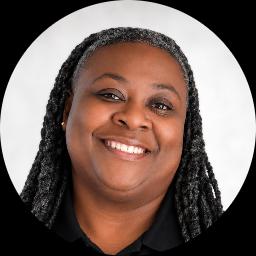
Marsha Hayes is a Licensed Professional Counselor (LPC) practicing in Louisiana.
01About Marsha
Marsha Hayes is a Licensed Professional Counselor (LPC) practicing in Louisiana. She helps people who are coping with anxiety, depression, trauma, relationship strain, grief, and issues like ADHD or addiction. Her approach focuses on practical strategies that can be used again when challenges return.
Marsha draws on client-centered listening to understand each person’s priorities. She pairs that with cognitive behavioral techniques to shift unhelpful thoughts and behaviors. She also uses solution-focused methods to build doable steps toward immediate goals.
Background and approach
When trauma or overwhelming memories are a factor, she offers Eye Movement Desensitization and Reprocessing, commonly called EMDR, as one option to reduce distress tied to past events. Dialectical Behavior Therapy skills are used when emotional regulation and crisis coping become central to daily life. Sessions are practical and goal oriented.
Marsha emphasizes skills clients can practice between meetings. She keeps language plain and focuses on what will make day-to-day life easier. With 18 years of experience, Marsha has worked in multiple settings and with diverse adult concerns.
She aims to create a respectful, nonjudgmental space where people can talk through hard things and try new ways of handling them. Her style is collaborative and focused on real-world results.
02Credentials
- LPC (Louisiana)
- License 3938 · expires June 2027
- LPC (Arizona)
- License 20134 · expires June 2027
- NPI
- 1124392915 · national provider identifier
Both are public records. A state board register will confirm a license and its standing, and the national registry will confirm an NPI. This directory copies what the counselor lists and checks neither.
03Focus areas and approaches
Everything Marsha lists on their public professional profile, in their own terms.
- Stress, Anxiety
- Trauma and abuse
- Self esteem
- Bipolar disorder
- Depression
- Addictions
- Relationship issues
- Family conflicts
- Grief
- Intimacy-related issues
- Eating disorders
- Parenting issues
- Anger management
- Coping with life changes
- Compassion fatigue
- ADHD
- Family problems
- Mood disorders
- Panic disorder and panic attacks
- Post-traumatic stress
- Social anxiety and phobia
- Young adult issues
Methods Marsha names
- Client-Centered Therapy
- Cognitive Behavioral Therapy (CBT)
- Dialectical Behavior Therapy (DBT)
- Eye Movement Desensitization and Reprocessing (EMDR)
- Solution-Focused Therapy
These are the methods Marsha names on their own professional profile. Naming an approach is not evidence of training or certification in it, and this directory checks no training records. Ask directly if it matters to you.
We will earn a commission if you sign up through our link, at no cost to you. It does not change what you pay or the order of the listings.
04Online support
Approaches that fit online care
Client-Centered Therapy focuses on listening and supporting each person’s goals. The therapist offers empathy and reflection to help clients clarify what matters most and decide on next steps. Cognitive Behavioral Therapy, or CBT, looks at thought patterns and behaviors and teaches concrete skills to reduce anxiety, depression, panic, and other mood problems. DBT skills - drawn from Dialectical Behavior Therapy - teach emotion regulation, distress tolerance, and interpersonal effectiveness for people who need tools to manage strong feelings.Finding the right approach is part of the work together. The therapist will talk with the client about symptoms, life goals, and what methods feel comfortable. That conversation guides whether more CBT skill work, DBT skills practice, EMDR for trauma, or a client-centered plan is tried first, and the plan can shift as needs change.
Online therapy offers flexibility for busy schedules. Video calls let people see facial cues and work through exercises in real time. Phone sessions can be easier when bandwidth is limited or when a shorter check-in fits a break at work. Live chat and text-based messaging make frequent, brief check-ins possible and help maintain momentum between longer sessions. Licensed professionals can use these formats to deliver the same skill-building and therapeutic conversations as in-person care, while making scheduling and follow-up more convenient.
05Questions people ask
What concerns does Marsha focus on?
She works with stress, anxiety, trauma and abuse, depression, bipolar disorder, addictions, relationship and family problems, grief, eating and intimacy-related issues, parenting strain, anger, ADHD, and related mood or panic issues.
What is her therapeutic style like?
Her style is collaborative and plainspoken. She listens first, then offers practical strategies clients can use between sessions.
How much experience does she have?
Marsha has 18 years of experience working with adults in a variety of clinical settings.
What credentials and location are listed?
She is a Licensed Professional Counselor, listed with Louisiana LPC and Arizona LPC, and practices in Louisiana.
Which languages are supported and are international clients accepted?
Sessions are offered in English. International clients are not currently accepted.
What session formats are available?
Sessions can be scheduled as video calls, phone sessions, live chat, or text-based messaging.
How does payment and cost work?
Cost varies by location and therapist availability; sessions use a subscription model that can be canceled at any time.
How do I begin the process?
Click the Start Therapy button, complete a short matching questionnaire, and schedule sessions according to the therapist's availability.
More counselors in Louisiana
See all
Stress, Anxiety, Grief, Self esteem and 2 more

Stress, Anxiety, Relationship, Anger and 2 more
Stress, Anxiety, Relationship, Family and 2 more

Relationship, Family, Parenting and 9 more
Is this your profile?
Ask us to correct details or take the page down.