Dr.
01About Pia
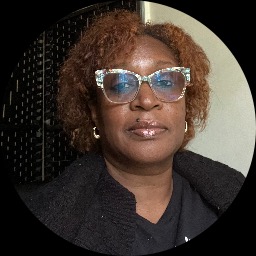
Dr. Pia Scott-Boston is a Licensed Professional Counselor (LPC) based in Georgia with 12 years of experience. She focuses on anxiety, depression, grief, life changes, and issues that affect how people feel about themselves.
She also helps with career questions, relationships, trauma and abuse, and coaching toward clearer goals. Her training includes a Doctorate in Education and a Master of Science in Rehabilitation Counseling. Over more than a decade she has worked in higher education, non-profit organizations, and state government.
Background and approach
That background informs a practical style that aims to connect real-life concerns to therapy work. In sessions she draws on Acceptance and Commitment Therapy, Client-Centered Therapy, cognitive behavioral techniques, mindfulness, and narrative approaches. Those methods are used flexibly to match what an individual says they need.
The focus is on helping people notice what matters, change unhelpful patterns, and try small experiments that fit their day-to-day life. Dr. Scott-Boston emphasizes a welcoming, compassionate relationship from the first meeting.
She works with people who are navigating transitions, exploring life purpose, or rebuilding after loss or trauma. The goal is to build skills that carry forward beyond sessions and support steady progress. Finding therapy can feel like a big step.
She aims to make that first step easier by helping clients set clear goals and apply solutions that work for them.
02Credentials
- LPC (Georgia)
- License LPC010998 · expires September 2026
- LPC (South Carolina)
- License 7734 · expires August 2027
- NPI
- 1235791237 · national provider identifier
Both are public records. A state board register will confirm a license and its standing, and the national registry will confirm an NPI. This directory copies what the counselor lists and checks neither.
03Focus areas and approaches
Everything Pia lists on their public professional profile, in their own terms.
- Stress, Anxiety
- Grief
- Self esteem
- Career difficulties
- Depression
- Relationship issues
- Trauma and abuse
- Coping with life changes
- Coaching
- Communication problems
- Divorce and separation
- Domestic violence
- Life purpose
- Veteran and Armed Forces Issues
- Money and financial issues
- Multicultural concerns
- Post-traumatic stress
- Prejudice and discrimination
- Self-love
- Women's issues
- Workplace issues
Methods Pia names
- Acceptance and Commitment Therapy (ACT)
- Client-Centered Therapy
- Cognitive Behavioral Therapy (CBT)
- Mindfulness Therapy
- Narrative Therapy
- Solution-Focused Therapy
- Trauma-Focused Therapy
These are the methods Pia names on their own professional profile. Naming an approach is not evidence of training or certification in it, and this directory checks no training records. Ask directly if it matters to you.
We will earn a commission if you sign up through our link, at no cost to you. It does not change what you pay or the order of the listings.
04Online support
Therapeutic approaches and how they work online
Acceptance and Commitment Therapy (ACT) focuses on helping people clarify what matters to them and take small steps toward those values while learning to tolerate difficult thoughts and feelings. It can be useful for anxiety, depression, and life transitions. Client-Centered Therapy centers on building a warm, nonjudgmental relationship so people feel heard and can explore their goals. This approach supports self-discovery and stronger decision making. Cognitive Behavioral Therapy (CBT) looks at links between thoughts, feelings, and actions and uses practical exercises to change unhelpful patterns; it is often used for anxiety, depression, and coping skills.Choosing the right approach is a collaborative process. The therapist will work with each person to test methods, notice what helps, and adjust the plan based on goals and preferences. That means techniques can shift over time as progress is made or priorities change.
Online sessions are offered by video calls, phone sessions, live chat, or text-based messaging to make scheduling more flexible. Video calls work well for fuller conversations and visual cues, phone sessions can fit shorter check-ins or lower bandwidth needs, and messaging formats are useful for ongoing support between meetings. These options let people fit sessions into busy lives and maintain regular contact without traveling.
05Questions people ask
What concerns does she address?
She helps people with stress, anxiety, depression, grief, self esteem, career questions, relationship issues, trauma and abuse, and coping with life changes.
What is her therapeutic style like?
She uses a flexible blend of Acceptance and Commitment Therapy, Client-Centered Therapy, cognitive behavioral techniques, mindfulness, and narrative approaches tailored to each person's needs.
What relevant experience does she bring?
She has 12 years of experience across higher education, non-profit, and state government settings, working with adults, veterans, college students, individuals with disabilities, and minorities.
Which credentials and location apply?
She is a Licensed Professional Counselor with SC LPC and GA LPC licensure and practices from Georgia.
In what languages are sessions offered?
Sessions are offered in English and international clients are not currently accepted.
What session formats are available?
She offers video calls, phone sessions, live chat, and text-based messaging as ways to meet remotely.
How are costs and billing handled?
Costs vary with location and therapist availability; sessions use a subscription model that can be canceled at any time.
How do I begin working with her?
Use the Start Therapy button, complete a short matching questionnaire, and then schedule sessions according to therapist availability.
More counselors in Georgia
See all
Stress, Anxiety, Family, Anger and 2 more
Stress, Anxiety, Addictions, Relationship and 16 more

Stress, Anxiety, Relationship, Family and 14 more
Stress, Anxiety, Addictions, Relationship and 2 more
Is this your profile?
Ask us to correct details or take the page down.