Stacey Tweedt brings 17 years of clinical experience to her work in Minnesota.
01About Stacey
Stacey Tweedt brings 17 years of clinical experience to her work in Minnesota. She holds an MA in Psychotherapy and is credentialed as LPCC. Her practice focuses on helping people regain strength after addiction, trauma, or ongoing stress.
Stacey aims to help clients reconnect with their values and take small, steady steps toward change. She uses straightforward conversation and a light touch of humor. Sessions focus on building insight, naming patterns, and practicing skills that reduce distress.
Background and approach
Stacey draws on several proven approaches so she can match methods to each person’s needs rather than using a one-size-fits-all plan. Stacey often helps people unpack issues related to relationships, intimacy, grief, and self-esteem. She also supports those coping with mood challenges like depression and bipolar conditions, as well as parenting strain and career stress.
Practical tools for coping and clearer communication are common goals in her work. Her background includes work in addiction services, corrections, social work, and mental health recovery. This variety has shaped a flexible style that blends skill teaching with deeper emotional work.
Clients can expect direct feedback paired with encouragement to try new ways of responding. When goals include rebuilding connection, managing overwhelming feelings, or changing harmful habits, Stacey helps people identify values and create realistic steps. She emphasizes learning skills that fit daily life and that can be practiced between sessions.
02Credentials
- LPCC (Minnesota)
- License 4087 · expires October 2026
- NPI
- 1558874768 · national provider identifier
Both are public records. A state board register will confirm a license and its standing, and the national registry will confirm an NPI. This directory copies what the counselor lists and checks neither.
03Focus areas and approaches
Everything Stacey lists on their public professional profile, in their own terms.
- Stress, Anxiety
- Addictions
- Relationship issues
- Trauma and abuse
- Grief
- Intimacy-related issues
- Eating disorders
- Parenting issues
- Self esteem
- Career difficulties
- Bipolar disorder
- Depression
- Coping with life changes
- Coaching
- Compassion fatigue
- Abandonment
- Attachment issues
- Avoidant personality
- Body image
- Caregiver issues and stress
- Codependency
- Communication problems
- Control issues
- Dependent personality
- Disruptive Mood Dysregulation Disorder (DMDD)
- Divorce and separation
- Domestic violence
- Eating and food-related issues
- Emptiness
- Family of origin issues
- First responder issues
- Forgiveness
- Guilt and shame
- Impulsivity
- Infidelity
- Isolation / loneliness
- Life purpose
- Midlife crisis
- Postpartum depression
- Post-traumatic stress
- Pregnancy and childbirth
- Process addiction (porn, exercise, gambling)
- Seasonal Affective Disorder (SAD)
- Self-love
- Sexual assault and abuse
- Smoking / vaping cessation
- Social anxiety and phobia
- Somatization
- Women's issues
- Workplace issues
Methods Stacey names
- Acceptance and Commitment Therapy (ACT)
- Attachment-Based Therapy
- Client-Centered Therapy
- Cognitive Behavioral Therapy (CBT)
- Dialectical Behavior Therapy (DBT)
- Emotionally-Focused Therapy (EFT)
- Existential Therapy
- Gottman Method
- Jungian Therapy
- Mindfulness Therapy
- Motivational Interviewing
- Narrative Therapy
- Psychodynamic Therapy
- Solution-Focused Therapy
- Somatic Therapy
- Trauma-Focused Therapy
These are the methods Stacey names on their own professional profile. Naming an approach is not evidence of training or certification in it, and this directory checks no training records. Ask directly if it matters to you.
We will earn a commission if you sign up through our link, at no cost to you. It does not change what you pay or the order of the listings.
04Online support
How therapy approaches translate to online work
Acceptance and Commitment Therapy, or ACT, focuses on identifying what matters to a person and taking committed action toward those values. It helps when avoidance or fear keeps someone from living the life they want. Cognitive Behavioral Therapy, or CBT, breaks down how thoughts, feelings, and behaviors connect and teaches practical techniques to change unhelpful patterns and reduce anxiety or depression. Attachment-Based Therapy looks at how early relationships shape current ways of connecting and responding; it can be useful for people struggling with trust, intimacy, or repeated relationship patterns.Finding the right approach is part of the work. Stacey collaborates with clients to choose or combine methods based on goals and what feels useful. She adjusts techniques as people try them and gives feedback about what helps most in real life.
Online therapy formats make it easier to fit sessions into busy schedules. Video calls let people read facial cues and do more interactive exercises. Phone sessions require less bandwidth and can be easier for quick check-ins. Live chat and text messaging support brief conversations, coaching moments, or ongoing skill practice between sessions. These options help maintain momentum and make it simpler to practice new skills in day-to-day situations.
05Questions people ask
What kinds of concerns does Stacey focus on?
She helps with stress, anxiety, addictions, relationship and intimacy issues, trauma and abuse, grief, eating and body image concerns, self-esteem, career stress, and mood disorders like bipolar and depression.
What is Stacey's general therapy style?
Her approach is direct and practical with a sense of humor. Sessions combine skill teaching, values work, and opportunities to reflect on patterns and emotions.
How much experience does she have?
Stacey has 17 years of experience working in addiction services, corrections, social work, and mental health recovery, which informs a broad, flexible clinical perspective.
What are Stacey's credentials and where is she based?
She holds an MA in Psychotherapy and is a Minnesota LPCC. Her practice is located in Minnesota.
Which languages are offered for sessions?
Sessions are offered in English.
Can people outside the United States work with her?
She does not accept international clients at this time.
What session formats are available?
Stacey offers video calls, phone sessions, live chat, and text-based messaging to fit different needs and schedules.
How are fees and getting started handled?
Cost varies with location and the subscription model used; subscriptions can be canceled at any time. To begin, select Start Therapy, complete a short matching questionnaire, and schedule according to therapist availability.
More counselors in Minnesota
See all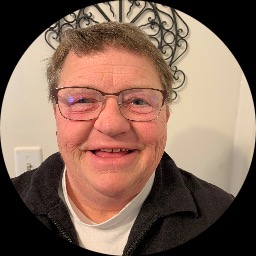
Stress, Anxiety, Trauma and abuse, Career and 13 more

Stress, Anxiety, Addictions, Trauma and abuse and 2 more

Stress, Anxiety, LGBT, Trauma and abuse and 10 more

Stress, Anxiety, Addictions, Trauma and abuse and 2 more
Is this your profile?
Ask us to correct details or take the page down.