Teri Struthers is a Licensed Professional Clinical Counselor with 25 years of experience.
01About Teri
Teri Struthers is a Licensed Professional Clinical Counselor with 25 years of experience. She draws on a background that includes nursing, military life, and college teaching to offer practical, grounded support. Teri focuses on helping people who are facing depression, anxiety, relationship strain, parenting stress, grief, trauma, and other life transitions.
Her style centers on building a strong therapeutic relationship first. She uses that connection to introduce clear tools and strategies from cognitive behavioral methods.
Background and approach
Sessions aim to help people notice patterns, try small changes, and track what helps over time. Teri takes a whole-person view that includes emotional, relational, and spiritual dimensions when clients want that included. She encourages personal responsibility while also recognizing how relationships and life circumstances shape choices.
Conversations include practical steps you can try between sessions. For someone dealing with communication problems, blended family challenges, caregiver stress, or workplace strain, she helps break issues into manageable pieces. For concerns like social anxiety, seasonal mood shifts, or struggles with life purpose, she blends listening with goal-focused work.
People who prefer a collaborative, down-to-earth approach will find straightforward guidance and steady support. Teri helps clients build awareness of strengths, develop coping skills, and create plans they can use in daily life. Her Minnesota practice is shaped by long experience and practical problem solving.
02Credentials
- LPCC (Minnesota)
- License 102 · expires January 2027
- NPI
- 1063638765 · national provider identifier
Both are public records. A state board register will confirm a license and its standing, and the national registry will confirm an NPI. This directory copies what the counselor lists and checks neither.
03Focus areas and approaches
Everything Teri lists on their public professional profile, in their own terms.
- Stress, Anxiety
- Relationship issues
- Self esteem
- Depression
- Coping with life changes
- Family conflicts
- Trauma and abuse
- Grief
- Intimacy-related issues
- Parenting issues
- Anger management
- Career difficulties
- ADHD
- Blended family issues
- Caregiver issues and stress
- Communication problems
- Divorce and separation
- Family of origin issues
- Family problems
- Forgiveness
- Guilt and shame
- Infidelity
- Life purpose
- Midlife crisis
- Seasonal Affective Disorder (SAD)
- Social anxiety and phobia
- Workplace issues
Methods Teri names
These are the methods Teri names on their own professional profile. Naming an approach is not evidence of training or certification in it, and this directory checks no training records. Ask directly if it matters to you.
We will earn a commission if you sign up through our link, at no cost to you. It does not change what you pay or the order of the listings.
04Online support
How these approaches work online
Client-Centered Therapy focuses on listening, empathy, and helping people find their own answers. It is useful for building self-awareness, improving relationships, and exploring values that matter to you.Cognitive Behavioral Therapy, or CBT, looks at the links between thoughts, feelings, and actions. It teaches straightforward skills to change unhelpful thinking and try new behaviors, which can help with anxiety, depression, and stress.
Solution-Focused Therapy emphasizes clear goals and small, practical steps. It helps people identify what is working, set a few achievable goals, and build momentum through short-term changes.
Finding the right mix of approaches is part of the work. The therapist will collaborate with each person to pick methods that match their goals, preferences, and situation. That means starting with listening, then trying approaches and adjusting them together based on what helps.
Online therapy offers flexibility for busy lives. Video calls let people talk face to face when schedules allow. Phone sessions can be a good low-bandwidth option or a quick check-in. Live chat and text-based messaging work well for brief updates, problem-solving between sessions, or when writing helps process thoughts. These formats make it easier to fit therapy into work, caregiving, or other routines.
05Questions people ask
What concerns does she help with?
She helps with stress, anxiety, depression, relationship and intimacy issues, grief, trauma and abuse, parenting and caregiver stress, career and workplace problems, ADHD, and many life transitions.
What is her therapeutic style like?
Her approach is relationship-centered and practical. She listens first, then offers cognitive-behavioral strategies and solution-focused steps to try between sessions.
How long has she been practicing?
She brings 25 years of experience combining counseling with backgrounds in nursing, military life, and college teaching.
Where is she based and what are her credentials?
She practices in Minnesota and holds the credential LPCC, listed as MN LPCC in her professional details.
Are sessions offered in other languages or internationally?
Sessions are offered in English. International clients are not currently accepted.
Which session formats are available?
She meets with clients via video calls, phone sessions, live chat, and text-based messaging to fit different schedules and needs.
How is cost handled?
Cost varies with location and therapist availability; sessions use a subscription that can be canceled at any time.
What are the steps to begin working together?
To start, select the Start Therapy button, complete a short matching questionnaire, and then schedule sessions according to therapist availability.
More counselors in Minnesota
See all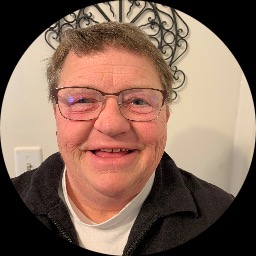
Stress, Anxiety, Trauma and abuse, Career and 13 more

Stress, Anxiety, Addictions, Trauma and abuse and 2 more

Stress, Anxiety, LGBT, Trauma and abuse and 10 more

Stress, Anxiety, Addictions, Trauma and abuse and 2 more
Is this your profile?
Ask us to correct details or take the page down.