Ann Hurst, LPCC, helps people facing stress, anxiety, depression, and the fallout of traumatic experiences.
01About Ann
Ann Hurst, LPCC, helps people facing stress, anxiety, depression, and the fallout of traumatic experiences. She speaks plainly and listens closely, aiming to make therapy feel manageable for someone juggling family, work, or health challenges. Her style is calm and direct, with attention to practical coping skills that can be used between sessions.
Her work covers a broad set of concerns including panic attacks, obsessive-compulsive patterns, social anxiety, and the emotional impact of chronic illness or cancer.
Background and approach
She also supports people coping with isolation, guilt, forgiveness, and questions about life purpose. Ann frames these struggles in everyday terms and focuses on steps clients can try right away. Ann uses evidence-based therapeutic techniques to help people build skills and process difficult memories.
She emphasizes collaboration, so clients are part of choosing which strategies to try. Sessions aim to be clear, goal-oriented, and suited to each person’s pace. With 18 years of experience, Ann brings steady clinical practice to her consultations.
She holds an LPCC credential, which is listed here exactly as provided. Her work is based in Ohio and she conducts sessions in English. People who begin therapy with Ann are usually looking for practical tools and thoughtful conversation.
She helps clients sort what matters most and create small, achievable plans for change. If someone wants therapy that balances empathy with concrete steps, Ann offers that combination.
02Credentials
- LPCC (Ohio)
- License E.1200018-SUPV · expires August 2028
- NPI
- 1669804001 · national provider identifier
Both are public records. A state board register will confirm a license and its standing, and the national registry will confirm an NPI. This directory copies what the counselor lists and checks neither.
03Focus areas and approaches
Everything Ann lists on their public professional profile, in their own terms.
- Stress, Anxiety
- Trauma and abuse
- Parenting issues
- Depression
- Coping with life changes
- Cancer
- Caregiver issues and stress
- Chronic pain, illness, and disability
- Control issues
- Forgiveness
- Guilt and shame
- Isolation / loneliness
- Life purpose
- Veteran and Armed Forces Issues
- Mood disorders
- Obsessions, compulsions, and OCD
- Panic disorder and panic attacks
- Personality disorders
- Phobias
- Polyamory / non-monogamous relationships
- Post-traumatic stress
- Prejudice and discrimination
- Seasonal Affective Disorder (SAD)
- Self-harm
- Sexual assault and abuse
- Sexuality
- Smoking / vaping cessation
- Social anxiety and phobia
- Trichotillomania
- Workplace issues
- Young adult issues
We will earn a commission if you sign up through our link, at no cost to you. It does not change what you pay or the order of the listings.
04Online support
How evidence-based approaches shape online care
Ann draws on evidence-based therapeutic techniques that focus on skill-building and processing difficult events. One common approach emphasizes identifying unhelpful thought and behavior patterns, then testing small changes in daily life to reduce anxiety and improve mood. This kind of work is practical and helps with panic, obsessive-compulsive patterns, and mood concerns.Another approach centers on processing traumatic memories and their effects through guided, paced conversations and coping strategies. It aims to reduce the intensity of distressing memories and teach ways to manage triggers and strong emotions. Both approaches are goal-oriented and often include homework between sessions to practice new skills.
Finding the right approach is part of the therapy process. The therapist will work together with each person to decide which methods fit their goals, needs, and comfort level. That collaborative decision is revisited as progress is made so techniques can be adjusted.
If you plan to try online therapy with this clinician, confirm the current session options before booking since formats are not specified here. In general, online sessions can make it easier to fit therapy into a busy schedule, avoid travel time, and allow shorter check-ins when a full session isn’t needed. They also let people join from wherever they are located without changing their daily routine.
05Questions people ask
What concerns does this therapist address?
She helps people with stress, anxiety, trauma and abuse, parenting strain, depression, and coping with life changes, plus related issues such as chronic illness, caregiver stress, and isolation.
What is the general therapy style here?
Therapy is collaborative and practical, focusing on building coping skills and processing difficult experiences at a pace that fits the client.
How much clinical experience does the therapist have?
Ann has 18 years of experience working with a wide range of mental health concerns and life stressors.
What credential and region are listed for this therapist?
The profile lists the credential OH LPCC and the therapist practices in Ohio.
Which languages are used in sessions?
Sessions are offered in English.
Are international clients accepted?
International clients are not currently accepted.
How does payment and cost work?
Cost varies with location and therapist availability; sessions use a subscription that can be canceled at any time.
How do I begin working with this therapist?
Click the Start Therapy button, complete a short matching questionnaire, and schedule according to therapist availability.
More counselors in Ohio
See all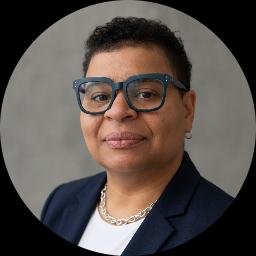
Stress, Anxiety, LGBT, Grief and 2 more

Stress, Anxiety, Self esteem, Career and 2 more

Relationship, Intimacy-related issues, Parenting and 2 more
Is this your profile?
Ask us to correct details or take the page down.