
Stress, Anxiety, Career, Depression and 14 more
Licensed professional counselors
Counselors who work with Obsession
1,793 therapists list obsession among the things they work with. All offer sessions online, and every profile shows the registering body, the membership number and when it runs to.
This page lists licensed professional counselors in the United States who note obsession or persistent intrusive thoughts among their focus areas. Use the listings below to read short profiles, review approaches and credentials, and narrow your search based on what matters to you.

Stress, Anxiety, Family, Trauma and abuse and 16 more

Stress, Anxiety, Addictions, Relationship and 2 more

Stress, Anxiety, Addictions, Trauma and abuse and 17 more

Addictions, LGBT, Self esteem and 2 more

Stress, Anxiety, Addictions, Relationship and 14 more

Stress, Anxiety, Trauma and abuse, Self esteem and 10 more
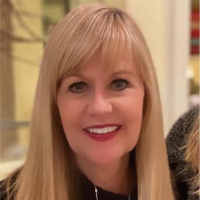
Stress, Anxiety, Family, Trauma and abuse and 9 more

Relationship, Anger, Self esteem and 5 more

Stress, Anxiety, Relationship, Self esteem and 2 more

Stress, Anxiety, Anger, Self esteem and 11 more

Stress, Anxiety, Trauma and abuse, Parenting and 11 more

Stress, Anxiety, Trauma and abuse, Grief and 15 more

Stress, Anxiety, Relationship, Family and 7 more

Stress, Anxiety, Addictions, Anger and 2 more

Stress, Anxiety, Family, Grief and 13 more

Stress, Anxiety, Addictions, Trauma and abuse and 15 more

Stress, Anxiety, Family, Parenting and 2 more

Stress, Anxiety, Relationship, Trauma and abuse and 2 more

Stress, Anxiety, Trauma and abuse, Anger and 2 more

Stress, Anxiety, Relationship, Trauma and abuse and 11 more

Stress, Anxiety, Trauma and abuse, Grief and 14 more
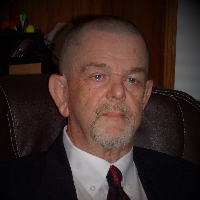
Stress, Anxiety, Family, Trauma and abuse and 11 more

Stress, Anxiety, Grief, Depression and 7 more

Stress, Anxiety, LGBT, Relationship and 17 more

Stress, Anxiety, Relationship, Family and 16 more

Stress, Anxiety, Grief, Self esteem and 2 more

Stress, Anxiety, Addictions, Anger and 14 more
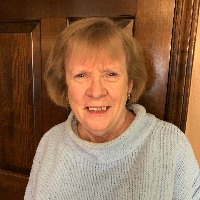
Stress, Anxiety, Trauma and abuse, Grief and 14 more

Stress, Anxiety, Addictions, Grief and 12 more

Stress, Anxiety, Relationship, Family and 8 more

Stress, Anxiety, Grief, Self esteem and 14 more

Stress, Anxiety, Trauma and abuse, Anger and 13 more

Stress, Anxiety, Relationship, Family and 17 more

Stress, Anxiety, Relationship, Family and 15 more

Stress, Anxiety, Addictions, Trauma and abuse and 2 more

Stress, Anxiety, Relationship, Intimacy-related issues and 11 more

Stress, Anxiety, LGBT, Trauma and abuse and 16 more

Stress, Anxiety, LGBT, Trauma and abuse and 12 more

Stress, Anxiety, Trauma and abuse, Self esteem and 12 more

Stress, Anxiety, Parenting, Self esteem and 4 more

Stress, Anxiety, Relationship, Trauma and abuse and 2 more

Stress, Anxiety, Addictions, Grief and 2 more

Stress, Anxiety, Addictions, Depression and 13 more

Relationship, Family, Eating and 2 more

Stress, Anxiety, Family, Trauma and abuse and 14 more

Relationship, Trauma and abuse, Self esteem and 9 more

Trauma and abuse, Self esteem, Coping with life changes and 9 more
Some links on this page are partner links. We will earn a commission if you sign up through one, at no cost to you. It does not change what you pay or the order of the listings.
Understanding obsession and how it can affect daily life
When people talk about obsession they often mean persistent, repetitive thoughts, images or urges that are difficult to let go of. These thoughts can loop through your mind even when you do not want them, and they may lead to anxious feelings, avoidance of certain situations, or repetitive behaviors intended to reduce distress. Obsessive patterns can show up around relationships, health, safety, morality, contamination, or uncertainty about decisions. For some people the thoughts are distressing precisely because they feel at odds with their values.
Obsession exists on a spectrum. For some people it is an occasional annoyance that is manageable and intermittent. For others it takes up significant time, interferes with work or relationships, or makes routine tasks feel overwhelming. Licensed professional counselors who hold an LPC, LPCC or LCPC are trained to ask how these patterns fit into the larger story of your life, including stressors, coping strategies and goals for change. Counselor training emphasizes a wellness and developmental orientation, meaning counselors often begin from how you are functioning now and what you want to work toward, rather than focusing only on diagnostic labels.
Signs that you might benefit from working with a counselor for obsession
You might consider seeking help if intrusive thoughts or repetitive mental loops are causing you distress, taking up hours each day, or pushing you to change routines in ways that feel limiting. You may notice that avoidance of certain people, places or decisions has increased, or that mental rituals - such as repeatedly replaying events in your mind to feel certain - occupy significant energy. Difficulty concentrating, sleep disruption, or strained relationships are common consequences that indicate the patterns are affecting how you live.
Another sign is when self-help strategies no longer produce relief. You may have tried distraction, reassurance from others, or checking behaviors that feel helpful short term but keep the cycle going. A licensed professional counselor can help you assess how obsessive patterns interact with anxiety, uncertainty intolerance, perfectionism or past experiences. Remember that the directory lists counselors who hold state licenses, and those credentials mean they completed a master's degree in counseling, a period of supervised postgraduate clinical experience that commonly runs two to three years and several thousand hours, and a national examination administered under the oversight of a state board. Titles vary by state - LPC, LPCC and LCPC are names that refer to the same licensed profession in different jurisdictions, and where the state uses both LPC and LPCC those titles reflect the state s own naming and requirements.
What to expect in sessions and common therapeutic approaches
When you start with a counselor who lists obsession among their focus areas you can expect an initial assessment that explores your current concerns, personal history and functioning across work, relationships and self-care. Sessions typically include collaborative goal setting so you and the counselor agree on what to prioritize. Many counselors will introduce psychoeducation early on to help you understand how repetitive thoughts persist and what maintains them.
Common strategies for addressing obsession include cognitive strategies that help you notice and respond differently to thoughts, exposure-based work to practice tolerating uncertainty and distress, acceptance-oriented skills that shift your relationship to thoughts, and mindfulness practices that build present-moment awareness. Counselors also attend to patterns that maintain distress such as avoidance, reassurance seeking, or rigid thought habits. It is important to note that the directory only records that a counselor lists particular approaches; it does not verify specific training or certifications. When reading profiles on this site, look for counselors who describe approaches that feel consistent with your goals, such as working on tolerance of uncertainty, reducing compulsive responses, or integrating values-based living into day to day choices.
How counselor training shapes the work
Because the LPC, LPCC and LCPC pathways emphasize a developmental and wellness orientation, many counselors will frame the work around functioning and growth. Rather than focusing exclusively on diagnosis, counselors who hold these licenses often ask what you want to be able to do differently, what strengths you can build on, and how to set small, achievable steps toward change. That orientation can be especially helpful if you want practical skills alongside exploration of underlying patterns.
How online sessions work for addressing obsession
Online sessions with licensed professional counselors commonly take place by video, phone, or text-based messaging platforms. Before you begin, counselors usually review how telehealth works, consent and boundaries, and any state-related rules that apply. One important factor is licensure geography - counselors are licensed by state boards, and state rules affect where a counselor may legally provide services. If you plan to work remotely it helps to note the counselor s licensure state and any details they provide about the locations where they practice.
Online work can make it easier to access counselors who list relevant focus areas or who speak your language. Many people find that exposure-based exercises, cognitive work and skills practice adapt well to video sessions when the counselor and client agree on homework and real-world practice tasks between sessions. Technology considerations such as internet reliability, device privacy, and a quiet environment for sessions will shape how effective remote work is for you. Because safety planning and crisis response differ by state and setting, counselors will generally clarify local resources and supports at the start of online work.
Choosing the right licensed professional counselor for obsession
Selecting a counselor is a personal process. Start by looking at license type - LPC, LPCC and LCPC all refer to the licensed professional counselor pathway in different states, so if you see LCPC in Illinois or LPCC in California know that these are the state s naming for the same licensed profession. Pay attention to the focus areas listed by each counselor, the therapeutic approaches they mention, language ability, cultural experience and the populations they describe working with. Those profile details help you assess fit without making assumptions about availability.
Consider how you want to approach the work. If you are seeking skills to manage intrusive thoughts, look for counselors who describe cognitive and behaviorally based strategies, tolerating uncertainty, or gradual practice tasks. If you want a more exploratory approach that integrates personal meaning and development, look for counselors who describe a wellness and developmental orientation. Reading profiles to see how counselors describe their approach can give you a sense of whether their style matches your preferences.
Licensure matters because counselors who hold an LPC, LPCC or LCPC completed specific graduate training, supervised clinical hours and a national exam under state board oversight. If licensure distinctions matter where you live, the profile will usually state the credential and the issuing state. Use that information to confirm you are looking at a counselor who holds the regulated credential for practice in the United States. Ultimately, choosing a counselor is about fit and trust. Profiles provide a starting point to identify counselors who list obsession among their focus areas and who describe approaches and experience that align with your goals for change.
Keep exploring
Related concerns
Ways of working