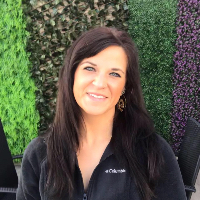
Blythe Barnes is a licensed professional counselor in Texas who helps people facing stress, anxiety, trauma, and depression.
01About Blythe
Blythe Barnes is a licensed professional counselor in Texas who helps people facing stress, anxiety, trauma, and depression. She invites clients to talk about what feels hard and confusing in a direct, compassionate way. Blythe emphasizes a calm, nonjudgmental space so people can share difficult thoughts and feelings.
She focuses on practical skills and steady support. That can mean learning ways to reduce anxiety, improving self-esteem, or finding new coping methods during big life changes.
Background and approach
Blythe also works with issues like grief, intimacy concerns, parenting stress, and career strain. Blythe uses several approaches to meet each person where they are. She draws on client-centered listening to follow the person’s priorities.
She uses cognitive behavioral ideas to help spot and shift unhelpful thinking patterns. She also incorporates trauma-focused work when past events are keeping someone stuck. Sessions are conversational and goal-oriented.
Blythe helps set small, realistic steps so progress feels manageable. She checks in about what’s working and changes the plan when needed. With nine years of experience, Blythe aims to make therapy straightforward and useful.
People come for short-term skills or longer support, depending on their needs. The first step is often just talking through what feels most urgent and making a plan together.
02Credentials
- LPC (Texas)
- License 76906 · expires April 2026
- NPI
- 1891365763 · national provider identifier
Both are public records. A state board register will confirm a license and its standing, and the national registry will confirm an NPI. This directory copies what the counselor lists and checks neither.
03Focus areas and approaches
Everything Blythe lists on their public professional profile, in their own terms.
- Stress, Anxiety
- Trauma and abuse
- Self esteem
- Depression
- Coping with life changes
- LGBT
- Relationship issues
- Family conflicts
- Grief
- Intimacy-related issues
- Parenting issues
- Anger management
- Career difficulties
- Bipolar disorder
- Compassion fatigue
- Abandonment
- Attachment issues
- Body image
- Caregiver issues and stress
- Codependency
- Communication problems
- Control issues
- Dependent personality
- Disruptive Mood Dysregulation Disorder (DMDD)
- Divorce and separation
- Emptiness
- Family of origin issues
- Family problems
- Fatherhood issues
- Forgiveness
- Guilt and shame
- Isolation / loneliness
- Jealousy
- Life purpose
- Men's issues
- Money and financial issues
- Multicultural concerns
- Narcissism
- Postpartum depression
- Pregnancy and childbirth
- Prejudice and discrimination
- Seasonal Affective Disorder (SAD)
- Self-love
- Sexual assault and abuse
- Sexuality
- Social anxiety and phobia
- Women's issues
- Workplace issues
- Young adult issues
Methods Blythe names
- Client-Centered Therapy
- Cognitive Behavioral Therapy (CBT)
- Eye Movement Desensitization and Reprocessing (EMDR)
- Trauma-Focused Therapy
- Internal Family Systems
These are the methods Blythe names on their own professional profile. Naming an approach is not evidence of training or certification in it, and this directory checks no training records. Ask directly if it matters to you.
We will earn a commission if you sign up through our link, at no cost to you. It does not change what you pay or the order of the listings.
04Online support
Approaches for online healing and practical change
Client-centered therapy focuses on understanding and following the person's concerns. The therapist listens closely and helps people set the goals that matter most to them, creating a space to talk and be heard. Cognitive behavioral therapy, or CBT, looks at patterns of thought and behavior and teaches specific skills to reduce anxiety, improve mood, and change unhelpful habits. Eye Movement Desensitization and Reprocessing, EMDR, is used when past trauma continues to cause distress; it involves targeted processing to reduce the intensity of traumatic memories and the symptoms they produce.Choosing the right approach is part of the work. Blythe will talk with each person about their goals, symptoms, and preferences and then suggest options. The plan is adjusted over time, and clients are invited to give feedback so the direction stays useful and relevant.
Online sessions make it easier to fit therapy into a busy life. Video calls offer face-to-face conversation, phone sessions work when bandwidth is limited, and live chat or text messaging are useful for brief check-ins or ongoing support between sessions. These formats let people access consistent care without extra travel and make it simpler to keep therapy on a regular schedule.
05Questions people ask
What concerns does Blythe help with?
She helps people with stress, anxiety, trauma and abuse, depression, self-esteem, relationship and family issues, grief, parenting concerns, career strain, bipolar mood concerns, and compassion fatigue among other topics.
How would you describe her therapeutic style?
Her style is warm and direct with an emphasis on listening first. Sessions focus on clear, manageable steps and on adapting the approach to what each person needs.
What is her background and experience?
She has nine years of professional experience working with a range of emotional and life stressors. Over that time she has worked with clients on trauma, anxiety, mood concerns, and self-worth.
What credentials and location are listed?
She is a licensed professional counselor, LPC, practicing in Texas.
Which languages and international options are available?
Sessions are offered in English. She is not currently accepting international clients.
What session formats are offered?
Sessions can be conducted by video calls, phone sessions, live chat, or text-based messaging to suit different needs and schedules.
How does billing and cost work?
Cost varies with location and therapist availability; sessions use a subscription model that can be canceled at any time.
How do I begin if I want to work with Blythe?
Start by selecting the Start Therapy button, completing a short matching questionnaire, and then scheduling according to therapist availability.
More counselors in Texas
See all
Relationship, Family, Anger and 13 more

Stress, Anxiety, Self esteem, Career and 2 more

Stress, Anxiety, Depression, Coping with life changes
Stress, Anxiety, LGBT, Relationship and 15 more
Is this your profile?
Ask us to correct details or take the page down.