
Stress, Anxiety, Career, Depression and 14 more
Licensed professional counselors
Counselors who work with Men's Issues
1,630 therapists list men's issues among the things they work with. All offer sessions online, and every profile shows the registering body, the membership number and when it runs to.
This directory lists licensed professional counselors (LPC, LPCC, LCPC) who identify men's issues as a focus. Use the profiles below to review each counselor's focus areas, approaches, languages, and experience as you browse.

Stress, Anxiety, Addictions, Trauma and abuse and 7 more

Stress, Anxiety, Addictions, Relationship and 13 more

Stress, Anxiety, Addictions, Trauma and abuse and 17 more

Stress, Anxiety, Addictions, Relationship and 14 more

Stress, Anxiety, Relationship, Self esteem and 2 more

Relationship, Anger, Self esteem and 5 more

Stress, Anxiety, Relationship, Anger and 2 more

Stress, Anxiety, Relationship, Family and 11 more

Stress, Anxiety, Relationship, Self esteem and 2 more

Stress, Anxiety, Relationship, Grief and 7 more

Stress, Anxiety, Anger, Self esteem and 11 more

Stress, Anxiety, Trauma and abuse, Grief and 15 more

Stress, Anxiety, Relationship, Family and 7 more

Stress, Anxiety, Relationship, Family and 17 more

Stress, Anxiety, Relationship, Trauma and abuse and 14 more

Stress, Anxiety, Anger, Self esteem and 9 more

Stress, Anxiety, Trauma and abuse, Grief and 2 more

Stress, Anxiety, Relationship, Grief and 2 more

Stress, Anxiety, Relationship, Trauma and abuse and 11 more

Relationship, Family, Parenting and 2 more

Stress, Anxiety, Addictions, Self esteem and 1 more

Stress, Anxiety, Relationship, Family and 8 more

Relationship, Anger, Self esteem and 6 more

Stress, Anxiety, Family, Self esteem and 2 more

Stress, Anxiety, Relationship, Trauma and abuse and 16 more

Stress, Anxiety, Trauma and abuse, Grief and 15 more

Stress, Anxiety, Addictions, Anger and 14 more

Relationship, Trauma and abuse, Grief and 2 more

Stress, Anxiety, Relationship, Grief and 1 more

Stress, Anxiety, Trauma and abuse, Self esteem and 12 more

Stress, Anxiety, Relationship, Family and 8 more

Stress, Anxiety, Trauma and abuse, Parenting and 14 more

Stress, Anxiety, Grief, Self esteem and 14 more

Addictions, Family, Trauma and abuse and 1 more

Stress, Anxiety, Relationship, Trauma and abuse and 15 more

Stress, Anxiety, Relationship, Family and 17 more

Stress, Anxiety, Relationship, Family and 15 more

Stress, Anxiety, Addictions, Trauma and abuse and 2 more

Addictions, LGBT, Anger and 12 more

Stress, Anxiety, LGBT, Trauma and abuse and 12 more

Stress, Anxiety, Addictions, Depression and 13 more

Relationship, Family, Eating and 2 more

Stress, Anxiety, Family, Trauma and abuse and 14 more

Trauma and abuse, Self esteem, Coping with life changes and 9 more

Stress, Anxiety, Relationship, Family and 13 more
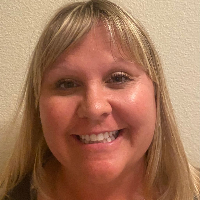
Stress, Anxiety, Addictions, Relationship and 16 more
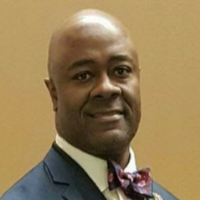
Stress, Anxiety, Relationship, Family and 3 more
Some links on this page are partner links. We will earn a commission if you sign up through one, at no cost to you. It does not change what you pay or the order of the listings.
Understanding men's issues and how they commonly affect you
Men's issues is a broad area that brings together concerns many people who were socialized as men experience across relationships, work, identity, and emotional life. You may be dealing with expectations about masculinity, difficulties showing emotion, stress related to provider roles, conflict in intimate relationships, struggles after a life transition such as divorce or becoming a father, or the long tail of trauma and loss. These concerns often overlap: work stress can erode relationships, unresolved grief can heighten anger, and cultural norms about toughness can make it harder to ask for help. The phrase "men's issues" is not a diagnosis. It is a way counselors describe a cluster of topics they regularly address with clients who want to explore how gendered expectations and life demands are shaping how they feel and act.
Your counselor's training as a licensed professional counselor emphasizes functioning, coping, and goals rather than focusing only on diagnosis. That wellness and developmental orientation means sessions typically start with what is happening in your daily life and the changes you want to make. If you want to work on communication in relationships, emotional expression, managing anger, navigating career transitions, or rebuilding after loss, a counselor with this focus will frame conversations around how you are functioning now and what steps can help you move toward the life you want.
Signs you might benefit from counseling focused on men's issues
There are common patterns that suggest counseling could be helpful. You might notice increasing irritability or anger outbursts, persistent withdrawal from friends or family, trouble sleeping or changes in appetite tied to stress, or recurrent conflicts at work and home. Feeling stuck at a life milestone - such as midlife changes, the end of a relationship, or becoming a parent - is another reason people seek support. You may also be coping with behaviors that started as short-term coping strategies and became problematic over time, such as excessive alcohol use or risky decision making.
If you find it difficult to express emotions or to ask for support, if you are replaying painful memories, or if relationships keep breaking down in similar ways, counseling can give you a space to slow down and examine those patterns. Because licensed professional counselors are trained to look at current functioning and future goals, you can expect an emphasis on practical skills, clearer communication, and strategies that fit your life rather than on labeling. Seeking help does not mean something is "wrong" with you; often it means you want to change a pattern that is limiting your relationships or personal satisfaction.
What to expect in sessions with licensed professional counselors
Your first sessions with a counselor who lists men's issues among their focus areas will typically begin with a conversation about what brings you in, your immediate concerns, and your goals. Counselors who hold an LPC, LPCC, or LCPC have completed a master's degree in counseling, followed by a state-required period of supervised postgraduate clinical experience - commonly two to three years and several thousand hours - and have passed a national examination. Licensing and renewal are handled by state boards, so the exact title and requirements vary by state.
These license names appear differently across the United States. Most states use the title Licensed Professional Counselor or LPC. Some states call the credential Licensed Professional Clinical Counselor or LPCC - for example, Ohio, California, Kentucky, and Minnesota. Other states use Licensed Clinical Professional Counselor or LCPC, as in Illinois, Maryland, and Montana. In some jurisdictions LPC and LPCC exist as distinct stages within the state's system, with the clinical title reflecting additional supervised practice; when that is the case it is a matter of the state's naming and process rather than a straightforward ranking of clinicians. A listing on this site indicates the counselor holds one of these licenses; it does not by itself indicate specific therapy approaches or areas of expertise beyond the focus fields the counselor has entered.
Sessions typically include assessment of your current functioning, discussion of goals, and collaborative planning. Many counselors combine skill-building - such as communication techniques, stress management, or emotion regulation - with exploratory work about values and identity. Frequency and length of sessions vary; counselors may offer weekly or biweekly appointments and adjust as progress unfolds. You can expect a practical orientation toward what you want to change and how to put strategies into practice in daily life.
Common approaches you will see among counselors who list men's issues
Counselors who work with men's issues draw from a variety of theoretical approaches, and this directory shows approaches each counselor lists rather than serving as proof of specific certifications. You will find counselors who list cognitive behavioral approaches among their approaches, which emphasize identifying patterns of thought and behavior that maintain distress and developing new skills to change them. Some counselors list acceptance and commitment principles, which focus on clarifying values and taking committed action toward them even when uncomfortable feelings appear.
Other counselors list emotion-focused or psychodynamic approaches, which prioritize exploring emotional experience and relational patterns that developed over time. Therapists who list motivational interviewing among their approaches often use that method to support change when ambivalence is present, for example with substance use or health behavior habits. Narrative-oriented counselors may help you rewrite harmful internal stories about masculinity or failure. Many counselors also list trauma-informed care or mindfulness-based strategies among their approaches; in practice that can mean attention to how past events affect present reactions and building practices to manage reactivity. Always read a profile to see how a counselor describes their focus areas and the kinds of problems they regularly work with.
How online counseling works for men's issues and tips for choosing the right counselor
Online counseling with a licensed professional counselor can make it easier to connect when in-person meetings are difficult because of work schedules, family responsibilities, geography, or mobility. Online options commonly include live video sessions, phone appointments, and sometimes text or message-based exchanges. When you pursue online counseling, expect the counselor to discuss practical details such as preferred platforms, session length, payment and insurance policies, and how they handle emergencies. Counselors also typically talk about privacy safeguards and the boundaries of remote work so you know how your information is managed and what to do in a crisis.
Choosing the right counselor for men's issues is a personal process. Look at a counselor's listed focus areas to see whether they mention the specific themes that matter to you - such as anger work, relationship issues, fatherhood, identity and gender, military or veteran concerns, or substance use. Compare the approaches they list to find methods that appeal to you, remembering that a listed approach is what the counselor notes as part of their practice rather than evidence of a particular certification. Consider language, cultural competence, and relevant life experience the counselor mentions, because shared cultural background or familiarity with particular life contexts can shape the fit.
When you review profiles, think about the practical features that matter to you - whether you prefer in-person sessions or online options, what days and times usually work, and whether you want a counselor who emphasizes skills training or deeper relational exploration. It can help to prepare a few questions you want to ask at first contact, such as how the counselor typically approaches men's issues, what a typical early session looks like, and how progress is measured. Reading multiple profiles can give you a clearer sense of the language counselors use to describe their work and help you identify several candidates who seem like a potential fit.
Licensed professional counselors in this directory hold state counseling credentials under the names LPC, LPCC, or LCPC depending on where they are licensed. That licensure reflects a graduate degree in counseling, supervised clinical experience, and successful completion of required exams. This page is designed to help you learn what men's issues work can involve and to guide you as you browse profiles of counselors who have identified this area of focus.
Keep exploring
Related concerns
Ways of working