Raymond Butts is a licensed professional counselor with 30 years of experience in counseling and education.
01About Raymond
Raymond Butts is a licensed professional counselor with 30 years of experience in counseling and education. He uses a straightforward, people-first approach and focuses on helping individuals manage stress, anxiety, depression, and trauma. He practices from Arizona and offers sessions in English, including with international clients.
He began his career in education as an elementary special education teacher in the early 1980s. Over more than a decade in Alaska he worked as a teacher, itinerant school counselor, and village school principal.
Background and approach
After returning to Arkansas he continued school-based counseling and later moved into military and family life counseling for a number of years. Raymond’s style is drawn from Client-Centered Therapy and trauma-focused work, with elements of cognitive behavioral and solution-focused techniques. He aims to guide rather than direct, helping people identify what matters and build practical steps toward it.
In sessions he listens, reflects, and helps set clear, achievable goals. He works with a wide range of concerns including addictions, grief, parenting stress, relationship and communication problems, mood disorders, and issues tied to first responder or veteran experiences. He also supports people dealing with caregiver stress, midlife questions, isolation, anger, and coping with life changes.
Sessions are available through video calls, phone, live chat, or text-based messaging. Raymond uses these formats to fit therapy into busy lives and to keep conversations focused on real, manageable changes.
02Credentials
- LPC (Alaska)
- License PCOP36 · expires October 2027
- LPC (Missouri)
- License 2007014050 · expires June 2027
- LCPC (Maine)
- License CC6667 · expires May 2026
- LPC (Arizona)
- License LPC-22920 · expires February 2026
- NPI
- 1548425648 · national provider identifier
Both are public records. A state board register will confirm a license and its standing, and the national registry will confirm an NPI. This directory copies what the counselor lists and checks neither.
03Focus areas and approaches
Everything Raymond lists on their public professional profile, in their own terms.
- Stress, Anxiety
- Trauma and abuse
- Self esteem
- Career difficulties
- Addictions
- Relationship issues
- Family conflicts
- Grief
- Parenting issues
- Anger management
- Bipolar disorder
- Depression
- Coping with life changes
- Compassion fatigue
- ADHD
- Caregiver issues and stress
- Commitment issues
- Communication problems
- Control issues
- Coping with natural or human-caused disaster
- Divorce and separation
- Domestic violence
- Emptiness
- First responder issues
- Infidelity
- Isolation / loneliness
- Men's issues
- Midlife crisis
- Veteran and Armed Forces Issues
- Mood disorders
- Panic disorder and panic attacks
- Personality disorders
- Post-traumatic stress
- Seasonal Affective Disorder (SAD)
- Self-harm
- Sexual assault and abuse
- Social anxiety and phobia
- Traumatic brain injury
- Women's issues
- Workplace issues
Methods Raymond names
- Client-Centered Therapy
- Cognitive Behavioral Therapy (CBT)
- Solution-Focused Therapy
- Trauma-Focused Therapy
These are the methods Raymond names on their own professional profile. Naming an approach is not evidence of training or certification in it, and this directory checks no training records. Ask directly if it matters to you.
We will earn a commission if you sign up through our link, at no cost to you. It does not change what you pay or the order of the listings.
04Online support
Therapeutic approaches and online care
Raymond draws on Client-Centered Therapy to place the client’s voice first. This approach focuses on listening, empathy, and helping people find their own solutions to stress, relationship issues, or low self-esteem. He also uses Trauma-Focused Therapy when past harm affects daily life, helping people process difficult events and build skills to cope.Finding the right approach is part of the work. He will talk with each person about goals, preferences, and what methods feel most useful. Together they decide whether to emphasize client-centered listening, trauma-focused work, or practical CBT and solution-focused steps for specific problems.
Online therapy formats include video calls, phone sessions, live chat, and text-based messaging. Video calls support face-to-face conversation and visual cues. Phone sessions can be a simpler option when bandwidth is limited or a quick check-in is needed. Live chat and text messaging make it easier to fit short conversations into a busy day and to track progress in writing. These options aim to make regular, consistent care easier to maintain.
05Questions people ask
What kinds of concerns does this counselor address?
He helps people with stress, anxiety, depression, trauma and abuse, and mood disorders. Additional focuses include addictions, grief, parenting strain, relationship and communication problems, and first responder or veteran issues.
How would you describe his therapy style?
His work is client-centered and collaborative. He also uses cognitive behavioral and solution-focused techniques and trauma-focused methods when appropriate.
What is his professional background?
He has 30 years of counseling and education experience, including long-term school work in Alaska and years as a military and family life counselor.
What credentials and location are listed?
He is a licensed professional counselor (LPC) and practices from Arizona. He holds LPC credentials for AK and MO as noted.
Which languages are supported for sessions?
Sessions are offered in English and he accepts international clients.
What session formats are available?
Therapy is offered via video calls, phone sessions, live chat, and text-based messaging to match different needs and schedules.
How are costs handled for sessions?
Cost varies with location and therapist availability and therapy uses a subscription model that can be canceled at any time.
What steps start the process of working together?
Begin by selecting the Start Therapy button, complete a short matching questionnaire, and then schedule sessions based on the therapist's availability.
More counselors in Arizona
See all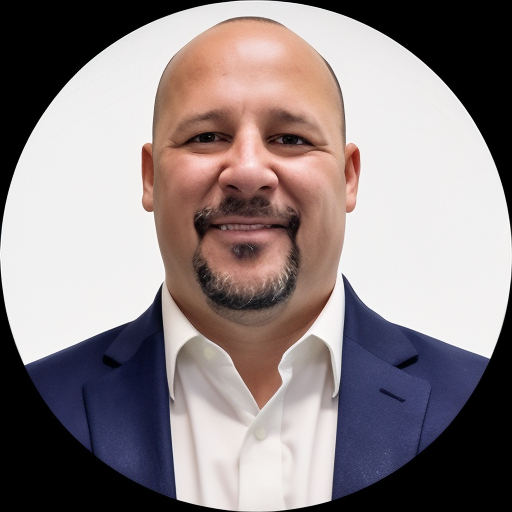
Addictions, Relationship, Trauma and abuse and 2 more

Stress, Anxiety, Relationship, Parenting and 13 more

Stress, Anxiety, Grief, Depression and 7 more

Stress, Anxiety, Addictions, Grief and 2 more
Is this your profile?
Ask us to correct details or take the page down.