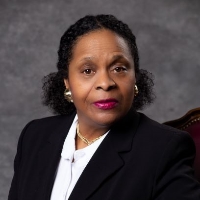
Christine "Chris" Coleman-Sandwell uses a person-focused style of therapy that centers the client's needs.
01About Christine
Christine "Chris" Coleman-Sandwell uses a person-focused style of therapy that centers the client's needs. She is a Licensed Professional Counselor, LPC, practicing in Missouri with 25 years of experience helping people through stress, anxiety, depression, and relationship struggles. Chris listens first and works with each person to set simple goals.
She draws on client-centered therapy to make space for whatever is most important to the client. Sessions are practical and aimed at small steps that add up over time.
Background and approach
She also uses motivational interviewing to help people find their own reasons to change. That approach is useful for addictions, motivation at work, and shifting habits that no longer serve someone. Solution-focused techniques are added to build quick, actionable plans and track progress.
Her focus includes parenting concerns, caregiver stress, blended family issues, and intimacy-related problems. Chris also supports people dealing with trauma, grief, bipolar mood challenges, and compassion fatigue from demanding roles. People who prefer straightforward, empathetic guidance tend to do well with her style.
She helps clients address control and commitment issues, navigate divorce or separation, and cope with midlife and career transitions. Sessions aim to increase self-esteem and strengthen everyday coping skills. All work is collaborative.
Chris helps each person identify what matters most, choose manageable next steps, and adjust the plan as progress is made.
02Credentials
- LPC (Missouri)
- License 2001022263 · expires June 2027
- NPI
- 1063035079 · national provider identifier
Both are public records. A state board register will confirm a license and its standing, and the national registry will confirm an NPI. This directory copies what the counselor lists and checks neither.
03Focus areas and approaches
Everything Christine lists on their public professional profile, in their own terms.
- Stress, Anxiety
- Relationship issues
- Parenting issues
- Depression
- Addictions
- LGBT
- Family conflicts
- Trauma and abuse
- Grief
- Intimacy-related issues
- Sleeping disorders
- Anger management
- Self esteem
- Career difficulties
- Bipolar disorder
- Coping with life changes
- Compassion fatigue
- Blended family issues
- Caregiver issues and stress
- Commitment issues
- Control issues
- Divorce and separation
- Emptiness
- Family problems
- First responder issues
- Jealousy
- Midlife crisis
- Seasonal Affective Disorder (SAD)
- Self-harm
- Self-love
- Sexuality
- Women's issues
- Workplace issues
- Young adult issues
Methods Christine names
These are the methods Christine names on their own professional profile. Naming an approach is not evidence of training or certification in it, and this directory checks no training records. Ask directly if it matters to you.
We will earn a commission if you sign up through our link, at no cost to you. It does not change what you pay or the order of the listings.
04Online support
How her approaches work in online therapy
Client-centered therapy places the client's priorities first and creates space for what matters most to them. In practice this means the therapist listens carefully, reflects what she hears, and helps the client set priorities for change.Motivational interviewing is a conversational method that helps people find their own reasons to change. It is often used for substance concerns, habit change, and to increase readiness for new steps in life.
Solution-focused therapy concentrates on small, practical steps that move someone toward their goals. It helps when people want quick, doable strategies to manage stress, improve relationships, or handle day-to-day challenges.
Choosing the right mix of approaches is collaborative. The therapist will work with clients to identify their goals, try techniques, and adjust methods based on what feels most helpful. That process allows the work to change as needs evolve.
Online formats offer flexibility for busy schedules. Video calls approximate an in-person conversation, phone sessions fit into short breaks and require less bandwidth, and live chat or text-based messaging can support quick check-ins or ongoing tracking between sessions. These options make it easier to keep momentum and fit therapy into a real-life routine.
05Questions people ask
What kinds of concerns does she address?
She supports people with stress, anxiety, depression, relationship and parenting concerns, addictions, trauma and grief. Additional areas include caregiver stress, intimacy issues, self-esteem, and career or midlife transitions.
What is her general approach in sessions?
Her style is client-centered and collaborative, focused on listening, setting small goals, and using motivational interviewing and solution-focused steps to encourage change.
How much experience does she have?
She has 25 years of clinical experience working with a wide range of emotional and life challenges.
Where is she licensed and based?
She is a Licensed Professional Counselor (LPC) practicing in Missouri.
Which languages are offered for sessions?
Sessions are offered in English.
What session formats are available online?
Sessions can be conducted by video calls, phone sessions, live chat, or text-based messaging depending on client preference.
How are fees handled?
Cost varies with location and therapist availability; sessions use a subscription model that can be canceled at any time.
What are the steps to begin therapy?
Click the Start Therapy button, complete a short matching questionnaire, and schedule sessions according to the therapist's availability.
More counselors in Missouri
See all
Stress, Anxiety, Addictions, Relationship and 14 more
Stress, Anxiety, Addictions, Trauma and abuse and 15 more

Stress, Anxiety, Addictions, Trauma and abuse and 2 more

Addictions, Relationship, Self esteem and 16 more
Is this your profile?
Ask us to correct details or take the page down.