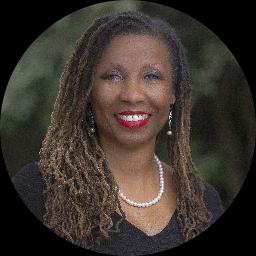
Curtis Graham is a licensed professional counselor who focuses on helping people through hard patches in life and relationships.
01About Curtis
Curtis Graham is a licensed professional counselor who focuses on helping people through hard patches in life and relationships. He offers calm, straightforward support for anxiety, depression, addiction concerns, grief, and issues tied to identity and intimacy. Curtis keeps language simple and practical so people can follow next steps without feeling overwhelmed.
He draws on client-centered listening to make space for what matters most to each person. From there he blends attachment-focused and cognitive-behavioral ideas to notice patterns and try small, doable changes.
Background and approach
Sessions aim to be collaborative with clear goals and gentle curiosity rather than a fast fix. Curtis pays attention to trauma that comes from many places, including childhood wounds, discrimination, or religious pressure. He helps people name what happened and build new ways to feel safer inside relationships and daily life.
Humor and honest conversation are part of how he eases heavy topics. Their work includes support for people exploring gender and sexual identity, concerns about kink and alternative sex culture, and relationship challenges such as communication, infidelity, or separation. Curtis also helps with career stress, life transitions, and the burnout that can follow caregiving or emotionally intense work.
He practices as an LPC in South Carolina and has three years of experience. Sessions are offered in English and use a mix of video, phone, live chat, and text messaging to fit different schedules and needs.
02Credentials
- LPC (South Carolina)
- License 10587 · expires August 2027
- NPI
- 1912602038 · national provider identifier
Both are public records. A state board register will confirm a license and its standing, and the national registry will confirm an NPI. This directory copies what the counselor lists and checks neither.
03Focus areas and approaches
Everything Curtis lists on their public professional profile, in their own terms.
- Stress, Anxiety
- LGBT
- Relationship issues
- Trauma and abuse
- Self esteem
- Addictions
- Family conflicts
- Intimacy-related issues
- Career difficulties
- Bipolar disorder
- Depression
- Coping with life changes
- Compassion fatigue
- Attachment issues
- BDSM, kink, and alternative sex culture
- Co-morbidity
- Commitment issues
- Communication problems
- Dissociation
- Divorce and separation
- Drug and alcohol addiction
- Family of origin issues
- Family problems
- Gender dysphoria
- Guilt and shame
- Infidelity
- Isolation / loneliness
- Life purpose
- Men's issues
- Veteran and Armed Forces Issues
- Multicultural concerns
- Panic disorder and panic attacks
- Polyamory / non-monogamous relationships
- Post-traumatic stress
- Seasonal Affective Disorder (SAD)
- Self-love
- Sexuality
- Social anxiety and phobia
- Young adult issues
Methods Curtis names
- Attachment-Based Therapy
- Client-Centered Therapy
- Cognitive Behavioral Therapy (CBT)
- Emotionally-Focused Therapy (EFT)
- Existential Therapy
- Mindfulness Therapy
- Motivational Interviewing
- Narrative Therapy
- Psychodynamic Therapy
- Trauma-Focused Therapy
These are the methods Curtis names on their own professional profile. Naming an approach is not evidence of training or certification in it, and this directory checks no training records. Ask directly if it matters to you.
We will earn a commission if you sign up through our link, at no cost to you. It does not change what you pay or the order of the listings.
04Online support
Therapeutic approaches that translate to online care
Attachment-Based Therapy centers on how early relationships shape emotional needs and patterns. Curtis uses this approach to help people spot repeating cycles in their close relationships and practice new ways of connecting that reduce shame and loneliness.Client-Centered Therapy focuses on listening without judgment and following the person’s lead. This method helps people feel heard and understood so they can explore goals at their own pace and decide what changes matter most.
Cognitive Behavioral Therapy, or CBT, looks at how thoughts, feelings, and behaviors interact. In short, Curtis helps people test unhelpful thoughts, try new behaviors, and track small changes that can ease anxiety or low mood.
Finding the right approach is part of the work. Curtis will talk with each person about their goals and preferences and then suggest methods to try. The process is collaborative and can shift over time as needs change.
Online sessions use video calls, phone sessions, live chat, or text-based messaging to fit different rhythms of life. Video is useful for deep conversations and eye contact. Phone sessions can be easier when bandwidth is limited or people need a break from screens. Live chat and text messaging work well for quick check-ins, brief processing, or between-session support. These options make it simpler to keep therapy consistent around work, appointments, and other obligations.
05Questions people ask
What kinds of concerns does Curtis address?
He works with stress, anxiety, depression, trauma and abuse, relationship and intimacy issues, addiction, self-esteem, and related concerns like burnout and life purpose.
How would you describe his therapy style?
Sessions are collaborative and straightforward with a focus on deep listening, practical steps, and building a trusting relationship before tackling painful material.
What is his background and experience?
Curtis has three years of clinical experience and focuses on helping people navigate relationship strain, trauma, identity concerns, and addiction-related issues.
Where is Curtis licensed and based?
He is a licensed professional counselor holding an SC LPC credential and practices in South Carolina.
Which languages and international options are supported?
Sessions are offered in English. International clients are not currently accepted.
What formats are available for sessions?
Sessions can be done by video call, phone, live chat, or text-based messaging to suit different needs and schedules.
How does payment work and what does it cost?
Cost varies by location and therapist availability; sessions use a subscription model that can be canceled at any time.
How do I begin if I want to try therapy with Curtis?
Select the Start Therapy button, complete the short matching questionnaire, and then schedule sessions according to therapist availability.
More counselors in South Carolina
See all
Stress, Anxiety, Relationship, Family and 7 more

Stress, Anxiety, Intimacy-related issues, Self esteem and 2 more
Stress, Anxiety, Addictions, Self esteem and 2 more

Stress, Anxiety, Grief, Parenting and 4 more
Is this your profile?
Ask us to correct details or take the page down.