Dianna Watkins offers calm, steady support for people facing hard moments.
01About Dianna
Dianna Watkins offers calm, steady support for people facing hard moments. She greets clients with straightforward care and listens without judgment. Sessions focus on practical steps to ease stress, anxiety, relationship strain, addiction concerns, and self-esteem struggles.
Dianna is a Kentucky LPCC and uses that clinical background to guide thoughtful, person-focused care. Her work emphasizes a warm, collaborative relationship. Clients set goals and pace, and she helps break big problems into workable steps.
Background and approach
Common topics include grief, trauma, communication problems, intimacy questions, and life transitions such as divorce or career change. She also supports those exploring sexuality, identity, and attachment wounds. Dianna blends several evidence-based approaches to match each person’s needs.
She favors methods that teach coping skills, shift unhelpful thinking, and build emotional awareness. The result is a mix of practical tools and time to understand how past experiences shape today. In sessions she listens first, then suggests concrete strategies like mindfulness, behavior experiments, and communication practice.
Progress often comes from small changes repeated over time. She helpfully names patterns and offers alternatives rather than prescribing one fixed path. Parents and caregivers concerned about sleep, eating, or managing anger will find focused coaching and problem-solving here.
People dealing with chronic illness or caregiving stress can also explore ways to reduce burnout. The tone is respectful, hopeful, and goal-oriented so people leave with clear, usable steps.
02Credentials
- LPCC (Kentucky)
- License 289888 · expires December 2026
- NPI
- 1306583471 · national provider identifier
Both are public records. A state board register will confirm a license and its standing, and the national registry will confirm an NPI. This directory copies what the counselor lists and checks neither.
03Focus areas and approaches
Everything Dianna lists on their public professional profile, in their own terms.
- Stress, Anxiety
- Addictions
- Relationship issues
- LGBT
- Family conflicts
- Trauma and abuse
- Grief
- Intimacy-related issues
- Eating disorders
- Sleeping disorders
- Parenting issues
- Anger management
- Self esteem
- Career difficulties
- Bipolar disorder
- Depression
- Coping with life changes
- Coaching
- Compassion fatigue
- ADHD
- Abandonment
- Antisocial personality
- Attachment issues
- Avoidant personality
- BDSM, kink, and alternative sex culture
- Blended family issues
- Body image
- Caregiver issues and stress
- Chronic pain, illness, and disability
- Co-morbidity
- Codependency
- Communication problems
- Control issues
- Coping with natural or human-caused disaster
- Dependent personality
- Disruptive Mood Dysregulation Disorder (DMDD)
- Divorce and separation
- Domestic violence
- Drug and alcohol addiction
- Eating and food-related issues
- Emptiness
- Family problems
- Fertility issues
- Forgiveness
- Gender dysphoria
- Guilt and shame
- Impulsivity
- Infidelity
- Isolation / loneliness
- Jealousy
- Life purpose
- Midlife crisis
- Money and financial issues
- Mood disorders
- Narcissism
- Obsessions, compulsions, and OCD
- Panic disorder and panic attacks
- Paranoia
- Personality disorders
- Phobias
- Polyamory / non-monogamous relationships
- Post-traumatic stress
- Pregnancy and childbirth
- Prejudice and discrimination
- Process addiction (porn, exercise, gambling)
- Self-harm
- Self-love
- Sex addiction
- Sexual assault and abuse
- Sexual dysfunction
- Sexuality
- Smoking / vaping cessation
- Social anxiety and phobia
- Women's issues
- Workplace issues
Methods Dianna names
- Acceptance and Commitment Therapy (ACT)
- Attachment-Based Therapy
- Client-Centered Therapy
- Cognitive Behavioral Therapy (CBT)
- Dialectical Behavior Therapy (DBT)
- Existential Therapy
- Mindfulness Therapy
- Motivational Interviewing
- Solution-Focused Therapy
- Trauma-Focused Therapy
- Systemic Therapy
These are the methods Dianna names on their own professional profile. Naming an approach is not evidence of training or certification in it, and this directory checks no training records. Ask directly if it matters to you.
We will earn a commission if you sign up through our link, at no cost to you. It does not change what you pay or the order of the listings.
04Online support
How key approaches guide online work
Acceptance and Commitment Therapy, or ACT, focuses on helping people live by their values even when emotions are hard. It uses exercises to notice thoughts without getting stuck and to take small, meaningful steps toward goals. Cognitive Behavioral Therapy, or CBT, looks at how thoughts, feelings, and actions connect and teaches concrete skill practice to change unhelpful patterns. These skills help with anxiety, depression, and sleep or eating concerns. Attachment-Based Therapy explores early relational patterns and how they show up now in relationships and emotional responses; it can help with intimacy, abandonment wounds, and communication problems.Finding the right approach is part of the work. The therapist will collaborate with each person to decide which methods match their needs, goals, and preferences. That can mean trying a mix of ACT, CBT, or attachment-focused work and adjusting as progress is made.
Session options are not specified in the original profile, so confirm current online formats before booking. Online sessions can make it easier to fit therapy into a busy life, skip travel time, and use brief check-ins when schedules are tight. Some formats also let people choose whether to be on camera, use audio-only, or have shorter focused meetings, which can help match therapy to day-to-day routines and energy levels.
05Questions people ask
What issues does this therapist help with?
They help people with stress, anxiety, addiction, relationship and family concerns, grief, trauma, self-esteem, and life transitions among other topics.
What is the therapist's style in sessions?
The approach is collaborative and person-centered, emphasizing listening first and then offering practical coping skills and communication practice.
How much clinical experience does the therapist have?
The clinician has five years of professional experience working with a variety of concerns and life changes.
What credentials and location are listed?
The therapist holds the credential LPCC and practices in Kentucky.
Are sessions offered in languages other than English?
Sessions are offered in English and the clinician also accepts international clients.
What session formats are available?
The original profile does not list specific session formats; please confirm current session options before booking.
How is cost handled for sessions?
Cost varies with location and therapist arrangements; sessions use a subscription that can be canceled at any time.
What are the first steps to begin therapy?
Use the Start Therapy button, complete a short matching questionnaire, and schedule according to therapist availability.
More counselors in Kentucky
See all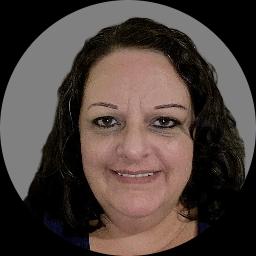
Stress, Anxiety, Trauma and abuse, Bipolar and 2 more

Stress, Anxiety, Addictions, Trauma and abuse and 7 more

Stress, Anxiety, Relationship, Self esteem and 1 more

Addictions, Family, Trauma and abuse and 1 more
Is this your profile?
Ask us to correct details or take the page down.