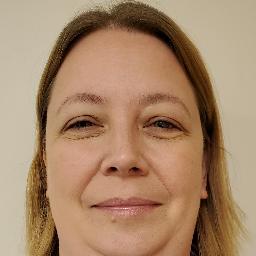
Hope Hartz is a licensed professional counselor with 25 years of experience helping people manage stress, anxiety, addiction-related challenges, anger, low self-esteem, and depression.
01About Hope
Hope Hartz is a licensed professional counselor with 25 years of experience helping people manage stress, anxiety, addiction-related challenges, anger, low self-esteem, and depression. She focuses on clear, practical steps clients can use day to day. Hope writes and talks plainly so worried parents and busy adults can follow along.
She has a long history of supporting people affected by drug and alcohol problems and has worked in settings linked to juvenile and adult drug courts.
Background and approach
Hope also has experience addressing mood disorders such as depression and bipolar conditions. That background gives her a broad view of how addiction and mood concerns can affect daily life. In her current role she works as a therapist and also serves as a clinical supervisor, which means she guides other counselors in their work.
That supervisory experience often informs how she structures sessions and sets goals with clients. She aims to make therapy feel straightforward and manageable. Hope helps people build skills for emotion regulation, communication, and decision making.
She focuses on short, useful exercises and realistic steps clients can practice between sessions. The approach is practical and goal-oriented, with attention to what each person needs right now. Sessions are offered from West Virginia and are delivered in English.
Hope is a West Virginia LPC and brings a calm, steady presence to sessions while helping clients take small steps toward better functioning and clearer priorities.
02Credentials
- LPC (West Virginia)
- License 1698 · expires June 2026
- NPI
- 1013465855 · national provider identifier
Both are public records. A state board register will confirm a license and its standing, and the national registry will confirm an NPI. This directory copies what the counselor lists and checks neither.
03Focus areas and approaches
Everything Hope lists on their public professional profile, in their own terms.
- Stress, Anxiety
- Addictions
- Anger management
- Self esteem
- Depression
- Caregiver issues and stress
- Codependency
- Communication problems
- Control issues
- Dependent personality
- Divorce and separation
- Drug and alcohol addiction
- Forgiveness
- Guilt and shame
- Impulsivity
- Isolation / loneliness
- Life purpose
- Mood disorders
- Obsessions, compulsions, and OCD
- Panic disorder and panic attacks
- Post-traumatic stress
- Self-love
- Sexual assault and abuse
- Sexuality
- Social anxiety and phobia
- Women's issues
We will earn a commission if you sign up through our link, at no cost to you. It does not change what you pay or the order of the listings.
04Online support
Evidence-based approaches for online support
Hope uses evidence-based therapeutic techniques focused on practical skills. One common approach is behavioral skill work that breaks problems into small, actionable steps to reduce anxiety, manage mood swings, and address impulsive behaviors. This helps people practice clear strategies between sessions and track small improvements.Another approach emphasizes relapse prevention and coping strategies for addictions. That work organizes triggers, builds alternative routines, and strengthens decision-making skills so people can navigate cravings and high-risk situations more effectively. These methods are useful for those dealing with substance-related problems and for people rebuilding routines after setbacks.
Finding the right approach is a collaborative process. The therapist will discuss goals, listen to what has or hasn't helped in the past, and adapt techniques to fit the client's needs and preferences. Together they decide which strategies to try and adjust them over time based on progress.
Online therapy offers flexibility through video calls, phone sessions, live chat, and text-based messaging. Video is helpful for in-depth conversations and visual cues, phone sessions work well when bandwidth is limited, live chat allows quick check-ins, and messaging supports brief updates or ongoing reflection between sessions. These options make it easier to keep consistent contact while fitting therapy into a busy life.
05Questions people ask
What concerns does Hope commonly address?
She works with stress, anxiety, addictions, anger, self-esteem problems, and depression. Additional focus areas include caregiver stress, codependency, communication problems, and obsessive-compulsive symptoms.
What is her general therapeutic style?
Hope takes a practical, plainspoken approach that emphasizes skill building and small steps. Sessions focus on exercises and strategies people can use between meetings.
How long has she practiced?
She has 25 years of professional experience working in clinical and supervisory roles. That includes work with people affected by addiction and mood disorders.
Where is she licensed and based?
Hope is a licensed professional counselor, LPC, in West Virginia and provides services from that state.
Can sessions be conducted in languages other than English?
Sessions are offered in English.
What session formats are available?
She offers video calls, phone sessions, live chat, and text-based messaging. Clients can choose whichever format fits their schedule and needs.
How is cost handled?
Cost varies with location and therapist availability and uses a subscription that can be canceled at any time. Exact pricing depends on the subscriber plan and region.
How do I begin therapy with her?
Start by selecting the Start Therapy button, complete a short matching questionnaire, and schedule according to the therapist's availability.
More counselors in West Virginia
See all
Stress, Anxiety, Relationship, Family and 2 more

Stress, Anxiety, Family, Self esteem and 2 more

Stress, Anxiety, LGBT, Trauma and abuse and 2 more
Relationship, Family, Trauma and abuse and 13 more
Is this your profile?
Ask us to correct details or take the page down.