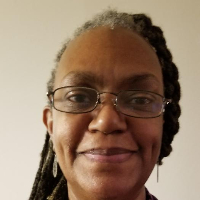
Lynne Peters is a Maryland-based therapist who focuses on helping people manage stress, anxiety, depression, and addiction.
01About Lynne
Lynne Peters is a Maryland-based therapist who focuses on helping people manage stress, anxiety, depression, and addiction. She also supports people coping with trauma, self-esteem struggles, and relationship difficulties rooted in family of origin or commitment issues. Lynne holds an MD and an LCPC, which she uses alongside her clinical experience to guide sessions.
Her style is direct and practical. She listens first to understand what matters most to each person.
Background and approach
Then she uses straightforward strategies to reduce immediate distress and build new coping skills. Sessions often include goal-setting and practical homework to practice between meetings. Lynne draws on several evidence-informed approaches, including cognitive behavioral techniques and motivational interviewing.
She also uses client-centered methods and mindfulness to help people notice patterns and build awareness. These tools are chosen to fit the person, not the other way around. Over 13 years, Lynne has worked in a range of settings with diverse concerns.
That background shapes a flexible approach that adjusts to what a person needs in the moment. She pays special attention to issues like codependency, caregiver stress, blended family challenges, and problems that arise after divorce or separation. Many people find her pace steady and practical.
She aims to help clients make observable changes, like calmer reactions, clearer choices, or healthier routines. Sessions are conversational and focused on useful steps forward.
02Credentials
- LCPC (Maryland)
- License LC7275 · expires January 2028
- NPI
- 1184166555 · national provider identifier
Both are public records. A state board register will confirm a license and its standing, and the national registry will confirm an NPI. This directory copies what the counselor lists and checks neither.
03Focus areas and approaches
Everything Lynne lists on their public professional profile, in their own terms.
- Stress, Anxiety
- Addictions
- Trauma and abuse
- Self esteem
- Depression
- Abandonment
- Blended family issues
- Caregiver issues and stress
- Co-morbidity
- Codependency
- Commitment issues
- Communication problems
- Control issues
- Coping with natural or human-caused disaster
- Divorce and separation
- Drug and alcohol addiction
- Emptiness
- Family of origin issues
- Family problems
- First responder issues
- Forgiveness
- Guilt and shame
- HIV / AIDS
- Isolation / loneliness
- Life purpose
- Men's issues
- Midlife crisis
- Veteran and Armed Forces Issues
- Money and financial issues
- Post-traumatic stress
- Self-love
- Traumatic brain injury
- Women's issues
- Workplace issues
- Young adult issues
Methods Lynne names
- Client-Centered Therapy
- Cognitive Behavioral Therapy (CBT)
- Dialectical Behavior Therapy (DBT)
- Imago Relationship Therapy
- Mindfulness Therapy
- Motivational Interviewing
- Trauma-Focused Therapy
These are the methods Lynne names on their own professional profile. Naming an approach is not evidence of training or certification in it, and this directory checks no training records. Ask directly if it matters to you.
We will earn a commission if you sign up through our link, at no cost to you. It does not change what you pay or the order of the listings.
04Online support
How therapeutic approaches translate to online care
Client-centered therapy centers the person in each session, so online meetings begin with open listening and reflection to identify what matters most. This approach helps people feel heard and shapes goals for change. Cognitive Behavioral Therapy, or CBT, focuses on spotting unhelpful thoughts and testing small behavioral experiments. Online CBT often includes concrete homework and short exercises between sessions to build new habits. Dialectical Behavior Therapy, DBT, adds skills for emotion regulation, distress tolerance, and improved interpersonal effectiveness, which can be practiced in-session and reinforced through messaging or brief check-ins. Choosing the right approach is a team effort. The therapist and client review goals, try techniques, and adjust the plan together. That collaborative process helps match tools to the person’s priorities and daily life. Online formats offer practical benefits. Video calls allow face-to-face conversation and visual cues. Phone sessions can work when bandwidth is limited or when someone prefers audio only. Live chat and text-based messaging enable quick check-ins, brief skill practice, or support between longer sessions. Together these options make therapy more flexible and easier to fit into busy schedules.05Questions people ask
What concerns does this therapist address?
She works with stress, anxiety, depression, addictions, trauma and abuse, and self-esteem issues. Additional focus areas include family of origin problems, caregiver stress, codependency, and first responder issues.
How would you describe her therapeutic approach?
Her approach is practical and person-focused, combining client-centered listening with cognitive behavioral and motivational techniques. Mindfulness and DBT skills are used when helpful to manage emotions and impulses.
What kind of experience does she have?
She has 13 years of clinical experience working in a variety of settings with diverse concerns. That range informs a flexible style that adapts to each person's needs.
What are her credentials and where is she located?
She holds MD and LCPC credentials and practices in Maryland. Those details are provided as listed.
Which languages are sessions offered in?
Sessions are offered in English.
Can international clients work with her?
International clients are not currently accepted.
What session formats are available?
Sessions can be held via video calls, phone sessions, live chat, or text-based messaging. Different formats suit different needs like shorter check-ins or not needing to be on camera.
How do costs and scheduling work?
Cost varies with location and therapist availability and sessions use a subscription that can be canceled at any time. To begin, select the Start Therapy button, complete the short matching questionnaire, and schedule based on therapist availability.
More counselors in Maryland
See all
Stress, Anxiety, Relationship, Family and 11 more

Stress, Anxiety, Addictions, Relationship and 2 more

Stress, Anxiety, Relationship, Parenting and 2 more
Stress, Anxiety, Addictions, Relationship and 13 more
Is this your profile?
Ask us to correct details or take the page down.