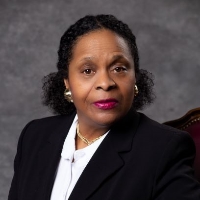
Marnie Morgan is a licensed professional counselor in Missouri with 25 years of experience.
01About Marnie
Marnie Morgan is a licensed professional counselor in Missouri with 25 years of experience. She draws on long experience helping people manage stress, anxiety, grief, relationship problems, trauma and life transitions. Many clients come for help with addiction, sleep disruption, parenting strain, career concerns, or questions about intimacy and self-esteem.
She holds two master’s degrees - one in Professional Counseling and one in Marriage and Family Therapy - and has taught counseling at the graduate level.
Background and approach
She has also supervised counselors working toward licensure. This background shapes a practical approach to common struggles. Her style is warm and interactive.
Sessions focus on the person in the context of their relationships and daily life. She listens first, and then offers tools adapted to a person’s situation rather than a one-size-fits-all plan. Marnie uses a mix of methods that fit the issue at hand, including attachment-based work, client-centered ways of talking, mindfulness, cognitive behavioral ideas, and relationship-focused tools.
Those approaches are chosen to help people change patterns, cope with strong emotions, and improve communication. In early meetings she helps people set clear goals and practical steps. Treatment plans are tailored to each person’s needs and pace.
The emphasis is on steady progress, building skills for handling stress, and making daily life feel more manageable. She welcomes straightforward conversations about what’s not working and what a person hopes to change. Marnie supports people through difficult transitions and helps them find ways to move forward.
02Credentials
- LPC (Missouri)
- License 2001007258 · expires June 2027
- NPI
- 1891957767 · national provider identifier
Both are public records. A state board register will confirm a license and its standing, and the national registry will confirm an NPI. This directory copies what the counselor lists and checks neither.
03Focus areas and approaches
Everything Marnie lists on their public professional profile, in their own terms.
- Stress, Anxiety
- Relationship issues
- Trauma and abuse
- Grief
- Coping with life changes
- Addictions
- Family conflicts
- Intimacy-related issues
- Sleeping disorders
- Parenting issues
- Anger management
- Self esteem
- Career difficulties
- Depression
- Compassion fatigue
- ADHD
- Abandonment
- Aging and geriatric issues
- Attachment issues
- Blended family issues
- Cancer
- Caregiver issues and stress
- Chronic pain, illness, and disability
- Co-morbidity
- Codependency
- Commitment issues
- Communication problems
- Control issues
- Coping with natural or human-caused disaster
- Dependent personality
- Dissociation
- Divorce and separation
- Domestic violence
- Emptiness
- Family of origin issues
- Family problems
- First responder issues
- Forgiveness
- Guilt and shame
- Infidelity
- Isolation / loneliness
- Jealousy
- Life purpose
- Midlife crisis
- Mood disorders
- Narcissism
- Panic disorder and panic attacks
- Personality disorders
- Post-traumatic stress
- Sexual assault and abuse
- Social anxiety and phobia
- Women's issues
- Workplace issues
Methods Marnie names
- Attachment-Based Therapy
- Client-Centered Therapy
- Cognitive Behavioral Therapy (CBT)
- Gottman Method
- Mindfulness Therapy
- Somatic Therapy
- Trauma-Focused Therapy
- Internal Family Systems
These are the methods Marnie names on their own professional profile. Naming an approach is not evidence of training or certification in it, and this directory checks no training records. Ask directly if it matters to you.
We will earn a commission if you sign up through our link, at no cost to you. It does not change what you pay or the order of the listings.
04Online support
Approaches that translate to online therapy
Attachment-based work focuses on how relationships shape feelings and reactions; it helps people understand patterns that show up in close relationships and improves emotional connection. Client-centered therapy centers the conversation on the person’s experience, offering a supportive space to talk through stress, grief, or life changes without judgement. Cognitive Behavioral Therapy (CBT) looks at thoughts and behaviors together and teaches concrete skills to reduce anxiety, manage mood, and change unhelpful habits.Finding the right mix of approaches is part of the work. The therapist will collaborate with each person to choose methods that match their goals, needs, and preferences. That means trying techniques, checking how they feel, and adjusting the plan so it fits the person’s life.
Online sessions are offered by video calls, phone sessions, live chat, or text-based messaging to make care more flexible. Video is useful for a full session where nonverbal cues matter, phone can work when bandwidth is limited or a quicker check-in is needed, and chat or messaging can support short check-ins or homework between sessions. These options help people fit therapy into work, caregiving, or travel schedules and keep progress moving when life gets busy.
05Questions people ask
What kinds of concerns does she help with?
She works with stress, anxiety, depression, relationship and intimacy issues, trauma and abuse, grief, addictions, sleep problems, parenting strain, anger, self-esteem, career worries, compassion fatigue, and ADHD among other concerns.
How would you describe her therapeutic style?
Her style is warm and interactive. She listens closely and uses practical tools from client-centered work, attachment-based approaches, mindfulness, and cognitive behavioral techniques.
What experience does she bring?
She has 25 years of clinical experience, has taught graduate counseling courses, and has supervised counselors pursuing professional licensure.
Where is she based and what are her credentials?
She is based in Missouri and holds the LPC credential, listed as MO LPC in the profile.
Which languages are supported for sessions?
Sessions are offered in English.
Are international clients supported?
International clients are not currently accepted.
What session formats are available?
Sessions are available by video calls, phone sessions, live chat, and text-based messaging.
How are costs and starting steps handled?
Cost varies with location and therapist availability and uses a subscription that can be canceled at any time. To begin, select the Start Therapy button, complete a short matching questionnaire, and schedule according to therapist availability.
More counselors in Missouri
See all
Stress, Anxiety, Addictions, Relationship and 14 more
Stress, Anxiety, Addictions, Trauma and abuse and 15 more

Stress, Anxiety, Addictions, Trauma and abuse and 2 more

Addictions, Relationship, Self esteem and 16 more
Is this your profile?
Ask us to correct details or take the page down.