Mohammad Bader offers a calm, steady presence for people facing stress, anxiety, depression, grief, or big life changes.
01About Mohammad
Mohammad Bader offers a calm, steady presence for people facing stress, anxiety, depression, grief, or big life changes. He is a Licensed Professional Counselor (LPC) and a Licensed Mental Health Counselor (LMHC) practicing in Oregon with 25 years of experience. He speaks English and Arabic and aims to make conversations clear and direct so people can feel understood quickly.
He focuses on practical steps that fit each person’s life. Sessions often center on finding methods to manage worry, improve sleep, handle anger, or cope after loss.
Background and approach
He also helps people navigate relationship hurts, career stress, addictions, and parenting strain by breaking problems into manageable steps. Multicultural issues and experiences of prejudice are a core part of his work. He offers support for people dealing with gender dysphoria, immigration challenges, and hearing impairment concerns.
First responder issues, compassion fatigue, and forgiveness are additional areas he addresses with attention and respect. Mohammad uses approaches such as Acceptance and Commitment Therapy, Client-Centered Therapy, and Cognitive Behavioral Therapy to shape sessions. He tailors these methods to what each person needs, combining feeling-focused conversation with concrete behavior changes and values-based choices.
His way of working is collaborative and nonjudgmental. He helps people set realistic goals, try new strategies between sessions, and track small gains over time. The aim is clearer choices, steadier moods, and better day-to-day functioning.
02Credentials
- LPC (Oregon)
- License C1132 · expires August 2026
- LMHC (Washington)
- License LH61606534 · expires August 2026
- NPI
- 1972762490 · national provider identifier
Both are public records. A state board register will confirm a license and its standing, and the national registry will confirm an NPI. This directory copies what the counselor lists and checks neither.
03Focus areas and approaches
Everything Mohammad lists on their public professional profile, in their own terms.
- Stress, Anxiety
- Relationship issues
- Grief
- Depression
- Coaching
- Addictions
- LGBT
- Family conflicts
- Trauma and abuse
- Sleeping disorders
- Parenting issues
- Anger management
- Self esteem
- Career difficulties
- Coping with life changes
- Compassion fatigue
- ADHD
- First responder issues
- Forgiveness
- Gender dysphoria
- Hearing impaired
- Immigration issues
- Infidelity
- Jealousy
- Multicultural concerns
- Phobias
- Prejudice and discrimination
Methods Mohammad names
- Acceptance and Commitment Therapy (ACT)
- Client-Centered Therapy
- Cognitive Behavioral Therapy (CBT)
- Emotionally-Focused Therapy (EFT)
- Existential Therapy
- Gottman Method
- Jungian Therapy
- Motivational Interviewing
- Psychodynamic Therapy
- Solution-Focused Therapy
- Trauma-Focused Therapy
These are the methods Mohammad names on their own professional profile. Naming an approach is not evidence of training or certification in it, and this directory checks no training records. Ask directly if it matters to you.
We will earn a commission if you sign up through our link, at no cost to you. It does not change what you pay or the order of the listings.
04Online support
How therapy approaches translate to online care
Acceptance and Commitment Therapy helps people notice difficult thoughts and feelings without being driven by them, then choose actions that match their values; it can be useful for anxiety, depression, and coping with life changes. Client-Centered Therapy emphasizes listening and understanding so people feel heard and can explore their own solutions; this approach supports building self-understanding and emotional processing. Cognitive Behavioral Therapy focuses on spotting unhelpful thinking and testing small behavior changes to reduce symptoms like worry, sleep problems, or anger.Finding the right mix of approaches is part of the work. The therapist will collaborate with each person to pick methods that match their goals, preferences, and daily life. That means trying strategies in session, reviewing what helps, and adjusting the plan together over time.
Online therapy offers a range of practical options. Video calls let people mirror face-to-face sessions with visual cues. Phone sessions can be shorter check-ins or suit lower bandwidth needs. Live chat and text-based messaging allow ongoing, in-the-moment support and make it easier to fit therapy into a busy schedule. These formats provide flexibility to keep progress going even when life is hectic.
05Questions people ask
What kinds of concerns does he help with?
He supports people facing stress, anxiety, depression, grief, relationship issues, addictions, sleep problems, anger, low self-esteem, career strain, and coping with life changes.
What is his therapy style like?
Sessions are collaborative and direct. Conversations mix understanding emotions with practical steps to change unhelpful patterns.
How much experience does he have?
He has 25 years of professional experience working with a wide range of concerns and life situations.
Where is he licensed and based?
He is licensed in Oregon as an LPC and also holds a Washington LMHC credential as documented in his profile.
Which languages are available for sessions?
Sessions are offered in English and Arabic.
Can international clients work with him?
International clients are not currently accepted.
What session formats does he offer?
He works through video calls, phone sessions, live chat, and text-based messaging to fit different needs and schedules.
How are sessions paid and how do I begin?
Cost varies with location and therapist availability and uses a subscription that can be canceled at any time. Start by selecting the Start Therapy button and completing a short matching questionnaire, then schedule according to availability.
More counselors in Oregon
See all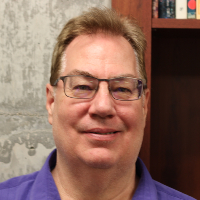
Stress, Anxiety, Addictions, Relationship and 13 more

Stress, Anxiety, Addictions, Depression and 13 more

Stress, Anxiety, Relationship, Self esteem and 2 more

Stress, Anxiety, Relationship, Family and 2 more
Is this your profile?
Ask us to correct details or take the page down.