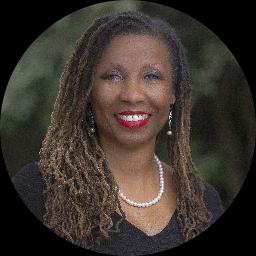
Robin Glaser is a Licensed Professional Counselor (LPC) practicing in South Carolina.
01About Robin
Robin Glaser is a Licensed Professional Counselor (LPC) practicing in South Carolina. She brings eight years of counseling experience and focuses on clear, practical help for everyday struggles. Robin listens closely and works with each person to set realistic goals and steps toward change.
She uses a client-centered style that keeps the person's goals at the center of sessions. Robin often uses cognitive behavioral techniques to identify unhelpful thoughts and try new behaviors.
Background and approach
Mindfulness tools and solution-focused planning are also part of her approach when they fit a person's needs. Her background includes work with adults in outpatient settings and experience supporting people affected by trauma, mood concerns, anxiety, and relationship difficulties. She has also worked in school and day-treatment settings earlier in her career, which broadened her experience with varied challenges and developmental needs.
Robin emphasizes collaboration and practical problem solving. She helps people break larger concerns into smaller, achievable steps. Sessions commonly include goal setting, skill practice, and reviewing what works between meetings.
People who reach out can expect a warm, direct style and focus on measurable progress. Robin aims to help clients feel heard and move toward the outcomes they want, whether that involves managing anxiety, coping with loss, improving sleep, or tackling life transitions.
02Credentials
- LPC (South Carolina)
- License 6914 · expires August 2027
- NPI
- 1720533797 · national provider identifier
Both are public records. A state board register will confirm a license and its standing, and the national registry will confirm an NPI. This directory copies what the counselor lists and checks neither.
03Focus areas and approaches
Everything Robin lists on their public professional profile, in their own terms.
- Stress, Anxiety
- Trauma and abuse
- Anger management
- Self esteem
- Depression
- Relationship issues
- Family conflicts
- Grief
- Intimacy-related issues
- Sleeping disorders
- Parenting issues
- Career difficulties
- Bipolar disorder
- Coping with life changes
- Coaching
- ADHD
- Autism and Asperger Syndrome
- Chronic pain, illness, and disability
- Communication problems
- Disruptive Mood Dysregulation Disorder (DMDD)
- Family problems
- Impulsivity
- Intellectual disability
- Mood disorders
- Obsessions, compulsions, and OCD
- Panic disorder and panic attacks
- Paranoia
- Post-traumatic stress
- Sexual assault and abuse
- Social anxiety and phobia
- Somatization
- Traumatic brain injury
- Young adult issues
Methods Robin names
- Client-Centered Therapy
- Cognitive Behavioral Therapy (CBT)
- Mindfulness Therapy
- Motivational Interviewing
- Solution-Focused Therapy
- Trauma-Focused Therapy
These are the methods Robin names on their own professional profile. Naming an approach is not evidence of training or certification in it, and this directory checks no training records. Ask directly if it matters to you.
We will earn a commission if you sign up through our link, at no cost to you. It does not change what you pay or the order of the listings.
04Online support
How counseling approaches shape online care
Client-Centered Therapy puts the person's own goals and preferences first. In this approach the therapist listens carefully, reflects what they hear, and helps shape a plan around the client’s values and priorities. It is useful for people who want a supportive space to clarify goals and make changes.Cognitive Behavioral Therapy, or CBT, focuses on identifying unhelpful thoughts and testing new behaviors. Sessions often include short exercises, thought records, and practical homework to reduce anxiety or depression symptoms. CBT tends to suit people who want concrete tools to change patterns that get in the way of daily life.
Mindfulness Therapy teaches simple attention and breathing practices to reduce reactivity and increase present-moment awareness. These tools can help with stress, sleep problems, and managing intense emotions.
Finding the right approach is part of the work. The therapist will talk with the client about their goals, try methods that match those goals, and adjust as progress is made. This is a collaborative process where the client helps guide what feels most useful.
Online sessions are available by video, phone, live chat, or text-based messaging to make care more flexible. Video calls are good for a fuller face-to-face feel, phone works well when bandwidth is limited, live chat can fit quick check-ins, and messaging supports ongoing notes and shorter exchanges between sessions. These options help people fit therapy into busy schedules and different daily routines.
05Questions people ask
What concerns does Robin commonly address?
She works with stress, anxiety, depression, trauma and related symptoms such as panic and PTSD, as well as relationship and family issues, grief, anger, sleep problems, parenting challenges, and career or life transitions.
What is her general therapy style?
Her approach is client-centered and collaborative. She blends cognitive behavioral work, mindfulness, and solution-focused techniques to set practical goals and practice new skills.
How much experience does she have?
Robin has eight years of experience in counseling roles across outpatient, school-based, and day-treatment settings, working with a wide range of concerns and diagnoses.
Where is she licensed and located?
She holds a South Carolina Licensed Professional Counselor credential and practices in South Carolina.
Which languages are supported in sessions?
Sessions are offered in English.
How are sessions delivered online?
Sessions can be held by video calls, phone sessions, live chat, or text-based messaging depending on what fits the client's needs and schedule.
How does billing and cost work?
Cost varies with location and therapist availability; sessions use a subscription model that can be canceled at any time.
What are the steps to begin therapy?
Start by selecting the Start Therapy button, complete a short matching questionnaire, and then schedule sessions according to therapist availability.
More counselors in South Carolina
See all
Stress, Anxiety, Relationship, Family and 7 more

Stress, Anxiety, Intimacy-related issues, Self esteem and 2 more
Stress, Anxiety, Addictions, Self esteem and 2 more

Stress, Anxiety, Grief, Parenting and 4 more
Is this your profile?
Ask us to correct details or take the page down.