Roy Cecrle is a licensed counselor practicing in California.
01About Roy
Roy Cecrle is a licensed counselor practicing in California. He holds LPCC and LPC credentials and brings 11 years of clinical experience to work with people facing addiction and related struggles. He focuses on addictive behaviors and the stress that often comes with recovery and life change.
He offers a calm, nonjudgmental space where clients can talk through difficult emotions and patterns. Sessions emphasize practical steps and honest conversation. Motivational interviewing is used to help people clarify what they want and find reasons to change.
Background and approach
Roy draws on his time in the United States Marine Corps to inform his approach. That background contributes to a direct, steady style and an emphasis on resilience and accountability. He is comfortable addressing issues like substance use, process addictions, and problems connected to family of origin.
Sessions follow a client-centered model that keeps the person's goals in focus. The work often includes identifying unhelpful patterns, building new habits, and practicing communication skills. He also respects clients' spiritual or faith perspectives when those matter to the person.
Therapy is offered through a mix of formats to fit different schedules and needs. Roy helps people set realistic goals and takes a collaborative stance when deciding which tools to use. The aim is steady progress rather than quick fixes.
02Credentials
- LPCC (California)
- License 17071 · expires July 2026
- LPC (Texas)
- License 69415 · expires April 2026
- NPI
- 1841782075 · national provider identifier
Both are public records. A state board register will confirm a license and its standing, and the national registry will confirm an NPI. This directory copies what the counselor lists and checks neither.
03Focus areas and approaches
Everything Roy lists on their public professional profile, in their own terms.
- Addictions
- Parenting issues
- Anger management
- Self esteem
- Stress, Anxiety
- Relationship issues
- Family conflicts
- Trauma and abuse
- Intimacy-related issues
- Codependency
- Communication problems
- Drug and alcohol addiction
- Family of origin issues
- Fatherhood issues
- Forgiveness
- Guilt and shame
- Life purpose
- Men's issues
- Veteran and Armed Forces Issues
- Process addiction (porn, exercise, gambling)
- Self-love
- Sex addiction
Methods Roy names
These are the methods Roy names on their own professional profile. Naming an approach is not evidence of training or certification in it, and this directory checks no training records. Ask directly if it matters to you.
We will earn a commission if you sign up through our link, at no cost to you. It does not change what you pay or the order of the listings.
04Online support
Client-centered care and online flexibility
Client-centered therapy focuses on the person's own goals and values. The therapist listens closely, reflects what is said, and helps people choose what feels most meaningful. This approach is helpful for navigating life purpose, self-esteem, family of origin issues, and ongoing behavior change.Motivational interviewing is a collaborative way of talking that helps people resolve mixed feelings about change. It uses open questions and reflective listening to draw out a person's reasons for moving forward, which can be useful for addictions and process behaviors.
Finding the right approach is part of the work. The therapist will discuss goals and preferences and then tailor methods together. Clients and the therapist decide collaboratively whether to use client-centered techniques, motivational interviewing, or a mix of tools over time.
Online therapy offers several practical benefits. Video calls allow face-to-face conversation when visual cues help the work. Phone sessions can be easier when bandwidth is limited or a shorter check-in is needed. Live chat and text-based messaging make it possible to check in between calls or use written communication for reflection. These options make it easier to fit sessions into busy schedules and to keep continuity during life changes.
05Questions people ask
What concerns does this counselor address?
He supports people coping with addictions, process and sex addiction, substance use, and related issues like stress, anxiety, anger, and low self-esteem.
How does he approach therapy?
The style is client-centered and collaborative, with an emphasis on practical steps. Motivational interviewing is used to help people find their own reasons for change.
What is his background and experience?
He has 11 years of experience and a history of military service that informs a steady, disciplined approach to recovery work.
Where is he licensed and based?
He holds CA LPCC and TX LPC credentials and practices in California.
Can I meet with him in other languages?
Sessions are offered in English.
What session formats are available?
He offers video calls, phone sessions, live chat, and text-based messaging to suit different needs and routines.
How are fees handled?
Cost varies by location and therapist availability; sessions use a subscription model that can be canceled at any time.
How do I begin working with him?
Use the Start Therapy button, complete a short matching questionnaire, and schedule sessions according to therapist availability.
More counselors in California
See all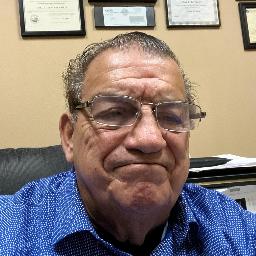
Stress, Anxiety, Relationship, Family and 8 more

Trauma and abuse, Addictions, Grief and 2 more

Stress, Anxiety, Relationship, Family and 10 more

Stress, Anxiety, Relationship, Trauma and abuse and 2 more
Is this your profile?
Ask us to correct details or take the page down.