Susan Sigl is a licensed professional counselor in Wisconsin with 33 years of practice.
01About Susan
Susan Sigl is a licensed professional counselor in Wisconsin with 33 years of practice. She helps people facing stress, anxiety, depression, trauma, addictions, grief, and challenges tied to identity and relationships. Her work also covers ADHD, bipolar concerns, career stress, and compassion fatigue.
In sessions she keeps the conversation straightforward. She listens first and then helps people set small, practical goals. Sessions often focus on coping skills, managing intense emotions, and improving daily routines that support mood and functioning.
Background and approach
Susan blends a client-centered stance with cognitive behavioral techniques. That means she pays close attention to what a person brings to the room while teaching tools to change unhelpful thoughts and behaviors. The aim is to make changes that feel realistic and sustainable in everyday life.
She has worked with people dealing with family of origin issues, adoption and foster care concerns, abandonment, and codependency. She also addresses substance use, domestic violence histories, first responder stress, gender dysphoria, and end-of-life topics. Practical problem solving and emotional validation are common parts of her sessions.
Susan’s style is calm and direct. She supports exploration of life purpose, guilt and shame, hoarding, and HIV/AIDS related concerns when they arise. Her background and long experience help her guide people through complex, overlapping issues.
People considering therapy are invited to discuss immediate worries, set short-term goals, and try techniques between sessions. That approach helps people see what works and make steady progress over time.
02Credentials
- LPC (Wisconsin)
- License 413-125 · expires February 2027
- NPI
- 1861553901 · national provider identifier
Both are public records. A state board register will confirm a license and its standing, and the national registry will confirm an NPI. This directory copies what the counselor lists and checks neither.
03Focus areas and approaches
Everything Susan lists on their public professional profile, in their own terms.
- Stress, Anxiety
- Addictions
- Trauma and abuse
- Grief
- Depression
- LGBT
- Relationship issues
- Family conflicts
- Anger management
- Self esteem
- Career difficulties
- Bipolar disorder
- Coping with life changes
- Compassion fatigue
- ADHD
- Abandonment
- Adoption and foster care
- Co-morbidity
- Codependency
- Divorce and separation
- Domestic violence
- Drug and alcohol addiction
- Family of origin issues
- First responder issues
- Gender dysphoria
- Guilt and shame
- HIV / AIDS
- Hoarding
- Hospice and end-of-life counseling
- Life purpose
- Midlife crisis
- Multicultural concerns
- Polyamory / non-monogamous relationships
- Post-traumatic stress
- Process addiction (porn, exercise, gambling)
- Social anxiety and phobia
- Workplace issues
Methods Susan names
These are the methods Susan names on their own professional profile. Naming an approach is not evidence of training or certification in it, and this directory checks no training records. Ask directly if it matters to you.
We will earn a commission if you sign up through our link, at no cost to you. It does not change what you pay or the order of the listings.
04Online support
Approaches and how they work online
Client-Centered Therapy emphasizes listening and following the client's lead. The therapist creates space for people to tell their story and reflect, helping them clarify values and goals. This approach helps with grief, identity questions, relationship stress, and finding direction in life.Cognitive Behavioral Therapy, or CBT, focuses on identifying unhelpful thoughts and testing new behaviors. It teaches practical skills such as thought records, behavioral experiments, and activity scheduling to reduce anxiety and depression symptoms and to address compulsive or avoidant patterns.
Choosing the right approach is a collaborative process. The therapist will discuss goals, try techniques, and adjust methods based on what feels helpful. Clients can expect a mix of listening, skill-teaching, and homework tasks to practice between sessions.
Online formats include video calls, phone sessions, live chat, and text-based messaging. Video works well for face-to-face conversation and skill demonstrations. Phone sessions require less bandwidth and can fit into a work break. Live chat and text are useful for brief check-ins, progress updates, or practicing short coping strategies. These options make it easier to fit therapy into a busy life and to continue momentum between meetings.
05Questions people ask
What concerns does she help with?
She supports people with stress, anxiety, depression, trauma, grief, and addictions. Additional areas include ADHD, bipolar issues, relationship and family of origin concerns, and career stress.
What is her therapeutic style like?
The approach is empathetic and practical. Sessions focus on listening, emotional validation, and setting small goals to improve daily functioning.
How much experience does she have?
She brings 33 years of clinical experience working with a wide range of emotional and life-transition issues. That background informs a steady, direct style in session.
What are her credentials and location?
She is an LPC, licensed in Wisconsin. Her practice is based in Wisconsin and reflects that regional licensure.
Which languages are offered for sessions?
Sessions are offered in English.
Can international clients work with her?
International clients are not currently accepted. Sessions are provided to clients within the regions covered by her Wisconsin licensure.
What session formats are available?
Therapy is offered by video calls, phone sessions, live chat, and text-based messaging. These options let people choose what fits their schedule and comfort level.
How does payment and scheduling work?
Cost varies with location and therapist availability and uses a subscription model that can be canceled at any time. To start, select the Start Therapy button and complete a short matching questionnaire, then schedule based on therapist availability.
More counselors in Wisconsin
See all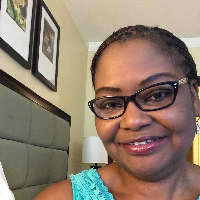
Stress, Anxiety, Relationship, Family and 9 more

Stress, Anxiety, Relationship, Family and 11 more

Stress, Anxiety, Relationship, Trauma and abuse and 13 more

Stress, Anxiety, Addictions, Parenting and 6 more
Is this your profile?
Ask us to correct details or take the page down.