Thomas Pfister greets people who are carrying anxiety, depression, or stress and offers a calm, practical space to talk.
01About Thomas
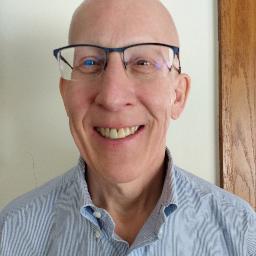
Thomas Pfister greets people who are carrying anxiety, depression, or stress and offers a calm, practical space to talk. He is a Licensed Professional Counselor (LPC) based in Wisconsin who focuses on helping people take steps toward a fuller life. Sessions are geared toward small, usable changes rather than big promises.
Thomas draws from a mix of approaches to match what each person needs. He uses Acceptance and Commitment Therapy to help clarify values and encourage meaningful action.
Background and approach
Cognitive Behavioral Therapy helps people notice and change patterns of thought and behavior. He also uses motivational interviewing to support readiness for change and solution-focused ideas to keep work goal-oriented. Thomas earned a bachelor’s degree in psychology from the University of Wisconsin - Stevens Point and a master’s degree in clinical mental health counseling with an addictions specialization from Marquette University.
That educational background informs his approach to both mental health and substance use concerns. In sessions he aims to be supportive, compassionate, and collaborative. He listens first, then helps shape a plan that fits daily life and personal priorities.
The focus is on values, practical steps, and steady progress. People can expect work on specific problems like anxiety, addiction, trauma, grief, relationship and parenting stress, attention difficulties, and career concerns. Thomas adapts plans to each person’s situation and helps track small wins over time.
02Credentials
- LPC (Wisconsin)
- License 7511-125 · expires February 2027
- NPI
- 1801387329 · national provider identifier
Both are public records. A state board register will confirm a license and its standing, and the national registry will confirm an NPI. This directory copies what the counselor lists and checks neither.
03Focus areas and approaches
Everything Thomas lists on their public professional profile, in their own terms.
- Stress, Anxiety
- Addictions
- Trauma and abuse
- Depression
- Coping with life changes
- Relationship issues
- Family conflicts
- Grief
- Intimacy-related issues
- Eating disorders
- Parenting issues
- Anger management
- Self esteem
- Career difficulties
- Bipolar disorder
- Compassion fatigue
- ADHD
Methods Thomas names
- Acceptance and Commitment Therapy (ACT)
- Client-Centered Therapy
- Cognitive Behavioral Therapy (CBT)
- Motivational Interviewing
- Solution-Focused Therapy
These are the methods Thomas names on their own professional profile. Naming an approach is not evidence of training or certification in it, and this directory checks no training records. Ask directly if it matters to you.
We will earn a commission if you sign up through our link, at no cost to you. It does not change what you pay or the order of the listings.
04Online support
How Thomas Uses Therapeutic Approaches Online
Thomas often combines Acceptance and Commitment Therapy and Cognitive Behavioral Therapy in online sessions. ACT focuses on clarifying what matters most and taking small, committed steps toward those values to build a meaningful life. CBT helps identify unhelpful thoughts and patterns, then practices different ways of thinking and behaving to reduce symptoms and improve daily functioning.Finding the right approach is a team effort. The therapist will talk with clients about their goals, preferences, and the problems that matter most. From there he tailors which methods to emphasize and adjusts the plan as progress is made, so the work stays relevant and doable.
Online formats like video calls, phone sessions, live chat, and text-based messaging make it easier to fit therapy into a busy week. Video calls let people see facial cues and have longer conversations. Phone sessions use less bandwidth and can fit a break at work. Live chat and text-based messaging support shorter check-ins, quick problem-solving, and steady accountability between sessions. These options give flexibility while keeping the focus on practical steps and measurable progress.
05Questions people ask
What kinds of concerns does Thomas help with?
He helps people facing stress, anxiety, addiction, trauma, depression, grief, relationship strain, parenting stress, eating issues, bipolar concerns, ADHD, and career or self-esteem struggles.
What is his general therapy style?
His style is supportive, compassionate, and collaborative with an emphasis on clear goals and actionable steps.
How long has he been practicing?
He has three years of clinical experience working with a range of mental health and substance use concerns.
What credentials and location are listed?
He holds the LPC credential and practices in Wisconsin.
Which languages are used in sessions?
Sessions are offered in English.
What session formats are available?
Sessions can be conducted by video calls, phone sessions, live chat, or text-based messaging.
How is payment handled and what does it cost?
Cost varies with location and therapist availability; sessions use a subscription that can be canceled at any time.
How do I begin working together?
Start by selecting the Start Therapy button, completing a short matching questionnaire, and scheduling according to the therapist's availability.
More counselors in Wisconsin
See all
Stress, Anxiety, Relationship, Family and 9 more
Stress, Anxiety, Relationship, Family and 11 more

Stress, Anxiety, Relationship, Trauma and abuse and 13 more

Stress, Anxiety, Addictions, Parenting and 6 more
Is this your profile?
Ask us to correct details or take the page down.