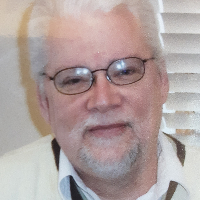
Tracy Eagle helps people manage stress, anxiety, addiction, trauma, bipolar disorder, and depression.
01About Tracy
Tracy Eagle helps people manage stress, anxiety, addiction, trauma, bipolar disorder, and depression. She also supports those dealing with relationship and intimacy concerns, sleep problems, anger, low self-esteem, and major life changes. Tracy is a Licensed Professional Counselor, LPC, practicing in Michigan with 21 years of experience.
She focuses on making the therapy space straightforward and approachable. Sessions are meant to be a place to talk without judgment. Tracy aims to help clients name what feels difficult and to build practical steps for change.
Background and approach
Her work blends listening with specific tools. She draws on client-centered methods to follow each person's priorities. Cognitive Behavioral Therapy methods are used when thoughts and routines get in the way of feeling better.
Dialectical Behavior Therapy skills are offered to help manage strong emotions and improve coping. Together these approaches aim to reduce distress and increase day-to-day functioning. Tracy pays attention to relationship patterns, attachment concerns, and issues tied to abandonment or codependency.
Clients who come for help with addictions, domestic violence aftermath, or mood conditions will find a clinician who combines direct skill teaching with supportive conversation. She also addresses neurodiversity topics such as autism and Asperger syndrome, and works with people facing caregiver stress or difficult separations. Sessions are collaborative and paced to each person's needs.
The focus is on clear, doable strategies you can try between meetings and on building momentum toward the changes you want.
02Credentials
- LPC (Michigan)
- License 6401222581 · expires July 2028
- NPI
- 1689922585 · national provider identifier
Both are public records. A state board register will confirm a license and its standing, and the national registry will confirm an NPI. This directory copies what the counselor lists and checks neither.
03Focus areas and approaches
Everything Tracy lists on their public professional profile, in their own terms.
- Stress, Anxiety
- Addictions
- Trauma and abuse
- Bipolar disorder
- Depression
- Relationship issues
- Family conflicts
- Intimacy-related issues
- Sleeping disorders
- Anger management
- Self esteem
- Coping with life changes
- ADHD
- Abandonment
- Attachment issues
- Autism and Asperger Syndrome
- Avoidant personality
- BDSM, kink, and alternative sex culture
- Caregiver issues and stress
- Codependency
- Commitment issues
- Communication problems
- Control issues
- Dependent personality
- Disruptive Mood Dysregulation Disorder (DMDD)
- Divorce and separation
- Domestic violence
- Drug and alcohol addiction
- Emptiness
- Family of origin issues
- Family problems
- Fertility issues
- First responder issues
- Forgiveness
- Gender dysphoria
- Guilt and shame
- Impulsivity
- Infidelity
- Intellectual disability
- Isolation / loneliness
- Jealousy
- Life purpose
- Men's issues
- Midlife crisis
- Mood disorders
- Narcissism
- Panic disorder and panic attacks
- Personality disorders
- Post-traumatic stress
- Process addiction (porn, exercise, gambling)
- Seasonal Affective Disorder (SAD)
- Self-love
- Sex addiction
- Sexual assault and abuse
- Sexuality
- Social anxiety and phobia
- Women's issues
- Workplace issues
Methods Tracy names
These are the methods Tracy names on their own professional profile. Naming an approach is not evidence of training or certification in it, and this directory checks no training records. Ask directly if it matters to you.
We will earn a commission if you sign up through our link, at no cost to you. It does not change what you pay or the order of the listings.
04Online support
Therapeutic approaches and online care
Client-centered therapy puts the person's goals and experience at the center. It emphasizes listening and responding to what matters most to the client and helps people feel heard while they work through problems.Cognitive Behavioral Therapy, or CBT, focuses on the links between thoughts, feelings, and actions. It uses practical exercises to change unhelpful thinking and build healthier habits, which can help with anxiety, depression, and sleep problems.
Dialectical Behavior Therapy, DBT, teaches emotion regulation, distress tolerance, and interpersonal skills. These tools can help when emotions feel overwhelming or when relationship patterns create repeated conflict.
Choosing the right approach is a shared process. The therapist will talk with each person about goals and preferences and try methods that match those needs. Adjustments are made as progress and feedback guide the work.
Online therapy options include video calls, phone sessions, live chat, and text-based messaging. Video calls suit in-depth work and visual connection, phone sessions can be quicker check-ins or better when bandwidth is limited, live chat supports shorter exchanges during a busy day, and text messaging lets people write thoughts between meetings. These options make therapy more flexible and easier to fit into daily life.
05Questions people ask
What concerns does Tracy address in therapy?
She helps people with stress, anxiety, addictions, trauma and abuse, bipolar disorder, depression, relationship and intimacy issues, sleep problems, anger, self-esteem, ADHD, and coping with life changes.
How would you describe her therapeutic style?
Her style is warm and practical. She listens first, then offers skills and strategies that fit each person's goals.
What is her background and experience?
Tracy is a Licensed Professional Counselor with 21 years of experience working with mood, trauma, and addiction concerns.
Where is she licensed and practicing?
She is licensed in Michigan as an LPC and practices with clients based on that regional licensure.
Which languages are supported for sessions?
Sessions are offered in English and she accepts clients from outside the United States.
What formats are available for sessions?
Sessions can be conducted via video calls, phone sessions, live chat, or text-based messaging to suit different needs.
How is cost handled for therapy?
Cost varies with location and therapist details; sessions are arranged through a subscription model that can be canceled at any time.
How do I get started with her?
Begin by selecting the Start Therapy button, completing the short matching questionnaire, and then schedule according to therapist availability.
More counselors in Michigan
See all
Relationship, Self esteem, Career and 2 more

Stress, Anxiety, LGBT, Trauma and abuse and 1 more
Stress, Anxiety, Addictions, Trauma and abuse and 11 more

Stress, Anxiety, Grief, Depression and 13 more
Is this your profile?
Ask us to correct details or take the page down.