Troy Bruns welcomes people who are trying to be themselves while managing hard things.
01About Troy
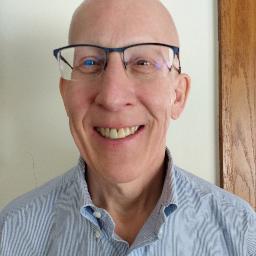
Troy Bruns welcomes people who are trying to be themselves while managing hard things. He writes plainly and listens first. That helps people feel seen and decide what to work on together.
He holds a Master’s degree in counseling from the University of Iowa and is a Licensed Professional Counselor - LPC in Wisconsin. Troy has about 20 years of experience across clinical and community settings. He has spent a dozen years in independent practice and has worked in hospitals, substance use treatment programs, employee assistance services, and correctional settings.
Background and approach
In sessions he focuses on understanding what a person is going through. Building a working relationship comes first. He aims to help people feel more empowered and to use collaborative problem solving to make practical changes.
Troy has experience doing emergency work in an ER setting, including primary suicidal assessments. He also teaches and supervises students training in substance use counseling at a technical college. Those roles have shaped his straightforward, practical approach to care.
He works with a wide range of concerns including stress, anxiety, addiction-related issues, relationship difficulties, depression, trauma, grief, sleep problems, anger, career stress, bipolar concerns, ADHD, compassion fatigue, and intimacy-related struggles. Sessions are offered in English and are scheduled to fit around evening and weekend needs when possible.
02Credentials
- LPC (Wisconsin)
- License 3161-125 · expires February 2027
- NPI
- 1083636252 · national provider identifier
Both are public records. A state board register will confirm a license and its standing, and the national registry will confirm an NPI. This directory copies what the counselor lists and checks neither.
03Focus areas and approaches
Everything Troy lists on their public professional profile, in their own terms.
- Stress, Anxiety
- Addictions
- Relationship issues
- Depression
- LGBT
- Family conflicts
- Trauma and abuse
- Grief
- Intimacy-related issues
- Sleeping disorders
- Anger management
- Career difficulties
- Bipolar disorder
- Coping with life changes
- Compassion fatigue
- ADHD
We will earn a commission if you sign up through our link, at no cost to you. It does not change what you pay or the order of the listings.
04Online support
How evidence-based approaches work online
Many therapists use straightforward, evidence-based techniques to address common problems. Cognitive approaches focus on identifying unhelpful thoughts and testing them against real-life evidence to reduce anxiety and mood symptoms. Behavioral strategies encourage small, practical changes in daily routines and activities to improve sleep, motivation, and stress management.Another common approach emphasizes skills training and problem solving to handle cravings, relationship conflicts, and workplace stress. These techniques break big problems into step-by-step actions people can try between sessions to see real change over time.
Finding the right approach is a collaborative process. The therapist will start by listening to your goals and preferences, then suggest methods that fit your situation. Together you can adjust the plan as you learn what helps and what doesn’t.
Online therapy offers flexible ways to connect. Video calls let you see facial cues and have a full session. Phone sessions work well when bandwidth is limited or when you prefer not to be on camera. Live chat and text-based messaging allow brief check-ins, follow-up questions, and quick coping reminders throughout the week. These options make it easier to fit therapy into busy schedules and to keep momentum between sessions.
05Questions people ask
What kinds of problems does he help with?
Troy works with stress, anxiety, depression, addictions, relationship and intimacy issues, trauma and abuse, grief, sleep problems, anger, career challenges, bipolar disorder, ADHD, and compassion fatigue.
How would you describe his therapy style?
He focuses on building a working relationship first and uses collaborative problem solving. Sessions are direct, practical, and aimed at helping people make changes that matter in daily life.
What is his background and experience?
He has about 20 years of experience, including 12 years in independent practice and work in hospitals, substance use programs, employee assistance, and correctional settings.
What credentials and location should I know about?
He earned a master’s degree in counseling from the University of Iowa and holds a Licensed Professional Counselor credential in Wisconsin.
Can I work with him in another language or from another country?
Sessions are offered in English. He is not accepting international clients at this time.
What formats are available for sessions?
He offers video calls, phone sessions, live chat, and text-based messaging to suit different schedules and needs.
How much do sessions cost?
Cost varies with location and therapist availability. Sessions use a subscription model that can be canceled at any time.
How do I begin working with him?
Click the Start Therapy button, complete a short matching questionnaire, and schedule sessions according to therapist availability.
More counselors in Wisconsin
See all
Stress, Anxiety, Relationship, Family and 9 more
Stress, Anxiety, Relationship, Family and 11 more

Stress, Anxiety, Relationship, Trauma and abuse and 13 more

Stress, Anxiety, Addictions, Parenting and 6 more
Is this your profile?
Ask us to correct details or take the page down.