Dr.
01About Vanencia
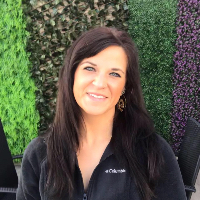
Dr. Vanencia Lynch helps people coping with stress, anxiety, depression, low self-esteem, grief, and ADHD. She writes plainly and listens carefully to what matters most to each person she meets.
Her approach focuses on practical steps and realistic goals that fit a client's life. She draws on several methods to guide sessions. Cognitive Behavioral Therapy is used to spot and change unhelpful thinking and behavior patterns.
Client-Centered Therapy keeps the conversation focused on the person's experience and priorities.
Background and approach
Emotionally-Focused Therapy can help when emotions and attachment issues feel overwhelming. Her background includes eight years working with people facing big life changes. That includes divorce and separation, blended family struggles, and midlife transitions.
She also works with concerns such as abandonment, codependency, communication problems, and feelings of guilt and shame. Dr. Lynch pays attention to impulsivity, control issues, and challenges tied to mood regulation such as Disruptive Mood Dysregulation Disorder.
She also supports people coping after natural or human-caused disasters, and those searching for life purpose or dealing with men's issues. She practices in Texas and holds the LPC credential, a Licensed Professional Counselor. Sessions are offered in English and organized to match a person's goals and pace.
The first steps are practical and straightforward - a short questionnaire and an initial scheduling choice.
02Credentials
- LPC (Texas)
- License 79540 · expires March 2028
- NPI
- 1609327782 · national provider identifier
Both are public records. A state board register will confirm a license and its standing, and the national registry will confirm an NPI. This directory copies what the counselor lists and checks neither.
03Focus areas and approaches
Everything Vanencia lists on their public professional profile, in their own terms.
- Stress, Anxiety
- Grief
- Self esteem
- Depression
- ADHD
- Abandonment
- Attachment issues
- Blended family issues
- Codependency
- Communication problems
- Control issues
- Coping with natural or human-caused disaster
- Disruptive Mood Dysregulation Disorder (DMDD)
- Divorce and separation
- Family problems
- Guilt and shame
- Impulsivity
- Life purpose
- Men's issues
- Midlife crisis
- Mood disorders
- Multicultural concerns
- Panic disorder and panic attacks
- Prejudice and discrimination
- Seasonal Affective Disorder (SAD)
- Self-love
- Women's issues
- Workplace issues
- Young adult issues
Methods Vanencia names
- Client-Centered Therapy
- Cognitive Behavioral Therapy (CBT)
- Emotionally-Focused Therapy (EFT)
- Motivational Interviewing
- Narrative Therapy
- Solution-Focused Therapy
- Systemic Therapy
These are the methods Vanencia names on their own professional profile. Naming an approach is not evidence of training or certification in it, and this directory checks no training records. Ask directly if it matters to you.
We will earn a commission if you sign up through our link, at no cost to you. It does not change what you pay or the order of the listings.
04Online support
How therapeutic approaches fit into online care
Client-Centered Therapy puts the client's experience at the center of each session. The therapist listens closely and follows the person's lead, helping them name what matters and set attainable goals. Cognitive Behavioral Therapy, or CBT, focuses on spotting unhelpful thoughts and testing small behavior changes to reduce anxiety or low mood. These approaches can help with stress, depression, ADHD symptoms, and problems that affect daily routines.Finding the right approach is a collaborative process. The therapist will talk with the person about their problems, goals, and what methods feel most helpful. Together they decide whether to use CBT techniques, client-centered conversation, or a mix based on progress and preference.
Online therapy is offered by licensed professionals using video calls, phone sessions, live chat, or text-based messaging. Video can be useful for a fuller face-to-face conversation. Phone sessions may fit a short break or when bandwidth is limited. Live chat and text messaging are helpful for quick check-ins, brief problem-solving, or ongoing support between longer sessions. These options make it easier to fit therapy into work, school, or a busy home life.
05Questions people ask
What kinds of concerns does she help with?
She supports people dealing with stress, anxiety, depression, low self-esteem, grief, and ADHD, plus related issues like attachment, communication problems, and life transitions.
What is her therapy style like?
Her style is collaborative and straightforward. Sessions focus on listening, practical steps, and goals that match the client's everyday life.
How much clinical experience does she have?
She has eight years of professional experience working with individuals through a range of emotional and life challenges.
What credential does she hold and where is she located?
She holds an LPC credential, Licensed Professional Counselor, and practices in Texas.
Are sessions offered in other languages or internationally?
Sessions are offered in English. She is not accepting international clients at this time.
What session formats are available?
She offers video calls, phone sessions, live chat, and text-based messaging to suit different needs and schedules.
How are fees handled?
Cost varies with location and therapist availability; sessions use a subscription that can be canceled at any time.
How do I begin a therapy match?
Start by selecting the Start Therapy button, complete the short matching questionnaire, and then schedule sessions according to the therapist's availability.
More counselors in Texas
See all
Relationship, Family, Anger and 13 more

Stress, Anxiety, Self esteem, Career and 2 more

Stress, Anxiety, Depression, Coping with life changes
Stress, Anxiety, LGBT, Relationship and 15 more
Is this your profile?
Ask us to correct details or take the page down.