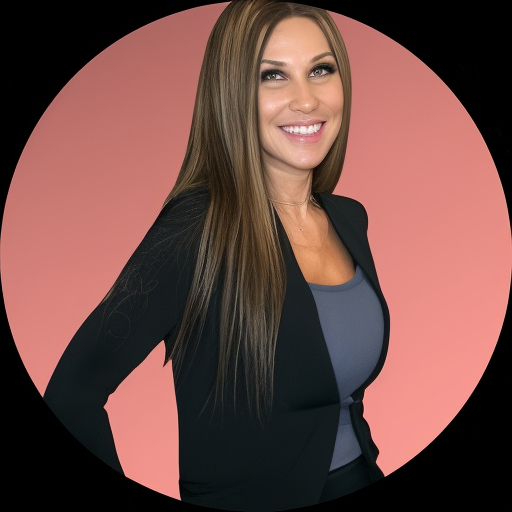
Ekaette "Kate" Atakpo is a licensed professional counselor (LPC) based in Oklahoma.
01About Ekaette
Ekaette "Kate" Atakpo is a licensed professional counselor (LPC) based in Oklahoma. She brings three years of clinical experience to sessions and focuses on helping people manage anxiety, stress, depression, and life changes. Her style is warm and straightforward, aimed at making therapy feel practical and doable.
Kate uses plain language and short-term goals so clients can see progress. She listens for each person’s priorities and helps them build everyday coping skills.
Background and approach
Sessions often include talking through problems, practicing new ways to respond, and setting small actions to try between meetings. Her approach pays attention to identity and culture. She supports people who are exploring who they are and those navigating relationship or work challenges.
Conversations can cover self-esteem, boundaries, communication problems, and feeling less isolated. Kate draws from several evidence-based tools to tailor care for each person. Techniques help with managing strong emotions, breaking unhelpful thinking patterns, and building mindful awareness.
The emphasis is on what works in daily life rather than on labels. Therapy sessions are offered through multiple online formats including video and phone. She also uses live chat and text messaging for shorter check-ins and ongoing support.
People who choose to start will complete a short matching questionnaire and schedule sessions that fit their needs.
02Credentials
- LPC (Oklahoma)
- License 11114 · expires June 2026
- NPI
- 1619530813 · national provider identifier
Both are public records. A state board register will confirm a license and its standing, and the national registry will confirm an NPI. This directory copies what the counselor lists and checks neither.
03Focus areas and approaches
Everything Ekaette lists on their public professional profile, in their own terms.
- Stress, Anxiety
- LGBT
- Self esteem
- Depression
- Coping with life changes
- Addictions
- Family conflicts
- Anger management
- Bipolar disorder
- Coaching
- Compassion fatigue
- Antisocial personality
- Attachment issues
- Codependency
- Communication problems
- Control issues
- Dependent personality
- Emptiness
- Isolation / loneliness
- Life purpose
- Mood disorders
- Multicultural concerns
- Narcissism
- Obsessions, compulsions, and OCD
- Panic disorder and panic attacks
- Personality disorders
- Self-love
- Sexuality
- Smoking / vaping cessation
- Social anxiety and phobia
- Young adult issues
Methods Ekaette names
- Acceptance and Commitment Therapy (ACT)
- Client-Centered Therapy
- Cognitive Behavioral Therapy (CBT)
- Dialectical Behavior Therapy (DBT)
- Mindfulness Therapy
- Motivational Interviewing
- Solution-Focused Therapy
These are the methods Ekaette names on their own professional profile. Naming an approach is not evidence of training or certification in it, and this directory checks no training records. Ask directly if it matters to you.
We will earn a commission if you sign up through our link, at no cost to you. It does not change what you pay or the order of the listings.
04Online support
Therapeutic approaches for online care
Acceptance and Commitment Therapy, or ACT, focuses on helping people notice unhelpful thoughts without fighting them and then commit to actions that reflect their values. It can help when someone feels stuck or uncertain about life direction. Cognitive Behavioral Therapy, CBT, teaches practical skills to spot and change patterns of thinking and behavior that contribute to anxiety and low mood. It is useful for panic, phobias, and persistent worry. Client-Centered Therapy centers the person's own experience and pace, offering empathy and reflection so people can find their own solutions and build self-acceptance.Finding the right approach is a team effort. The therapist will talk with each person about goals, preferences, and what has worked or not worked in the past. Together they adjust techniques and priorities over time until a helpful fit emerges.
Online therapy with this clinician uses video calls, phone sessions, live chat, and text-based messaging. Video calls work well for in-depth conversations and skills practice. Phone sessions can be a good option when bandwidth is limited or when a simpler check-in is needed. Live chat and text messaging are useful for quick questions, brief coaching, or between-session support. These options make scheduling more flexible and let people access care from different locations or during a busy day.
05Questions people ask
What concerns does this therapist help with?
She helps people dealing with stress, anxiety, depression, self-esteem, addictions, anger, coping with life changes, and mood concerns such as bipolar symptoms.
How would you describe her therapy style?
Her style is compassionate and practical, mixing listening with concrete skill-building and short-term goals so clients can try new strategies between sessions.
What is her professional background?
She has three years of clinical experience working as a licensed professional counselor and uses that experience to guide session structure and treatment choices.
Where is she licensed and based?
She holds an LPC credential and practices in Oklahoma.
Can I work with her if I live outside the United States?
International clients are accepted and sessions can be scheduled across different time zones.
Which session formats are available?
Sessions are offered via video calls, phone sessions, live chat, and text-based messaging to fit different needs and schedules.
How much do sessions cost?
Cost varies with location and therapist availability; sessions are billed through a subscription model that can be canceled at any time.
What are the first steps to begin therapy?
Start by selecting the Start Therapy button, complete a short matching questionnaire, and then schedule sessions based on the therapist's availability.
More counselors in Oklahoma
See all
Stress, Anxiety, Relationship, Self esteem and 8 more

Stress, Anxiety, Family, Trauma and abuse and 16 more
Stress, Anxiety, Addictions, Relationship and 2 more

LGBT, Grief, Intimacy-related issues and 2 more
Is this your profile?
Ask us to correct details or take the page down.