
Stress, Anxiety, Relationship, Self esteem and 8 more
Licensed professional counselors
Counselors in Oklahoma
278 licensed professional counselors hold a license in Oklahoma. Sessions are online; a counselor can usually only work with people in the states where they hold a license, so check the license line on each profile.
Welcome to our Oklahoma directory of online counselors who hold a state-issued LPC, LPCC, or LCPC license. All listed professionals are licensed by their state boards; explore profiles below to review credentials, focus areas, languages, and approaches.

Stress, Anxiety, Family, Trauma and abuse and 16 more

Stress, Anxiety, Addictions, Relationship and 2 more

LGBT, Grief, Intimacy-related issues and 2 more

Stress, Anxiety, Family, Self esteem and 8 more

Anger, Coping with life changes, Relationship and 2 more

Stress, Anxiety, Family, Grief and 13 more

Stress, Anxiety, Self esteem, Depression and 10 more

Stress, Anxiety, Addictions, Relationship and 2 more

Stress, Anxiety, Relationship, Trauma and abuse and 16 more

Stress, Anxiety, Addictions, Relationship and 4 more

Stress, Anxiety, Trauma and abuse, Self esteem and 1 more

Stress, Anxiety, LGBT, Trauma and abuse and 12 more

Stress, Anxiety, Family, Trauma and abuse and 7 more
Stress, Anxiety, Parenting, Anger and 10 more

Stress, Anxiety, Parenting, Self esteem and 1 more
Stress, Anxiety, Anger, Depression and 8 more
Stress, Anxiety, Addictions, Relationship and 2 more

Stress, Anxiety, Relationship, Family and 2 more

Stress, Anxiety, Relationship, Parenting and 2 more

Stress, Anxiety, Anger, Self esteem and 2 more

Stress, Anxiety, Anger, Self esteem and 2 more

Stress, Anxiety, Addictions, Trauma and abuse and 16 more

Stress, Anxiety, Relationship, Family and 2 more
Stress, Anxiety, Addictions, Trauma and abuse and 9 more

Stress, Anxiety, Self esteem, Coping with life changes and 2 more

Stress, Anxiety, Trauma and abuse, Self esteem and 12 more

Stress, Anxiety, Trauma and abuse, Self esteem and 3 more

LGBT, Relationship, Trauma and abuse and 2 more

Stress, Anxiety, Addictions, Grief and 11 more

Stress, Anxiety, Grief, Self esteem and 9 more

Stress, Anxiety, Trauma and abuse, Grief and 2 more

Stress, Anxiety, Anger, Self esteem and 2 more

Stress, Anxiety, Relationship, Family and 11 more

Stress, Anxiety, Family, Trauma and abuse and 2 more

Addictions, Relationship, Family and 2 more

Stress, Anxiety, Relationship, Family and 10 more

Stress, Anxiety, Addictions, Trauma and abuse and 2 more

Stress, Anxiety, Relationship, Trauma and abuse and 2 more

LGBT, Relationship, Family and 2 more

Stress, Anxiety, LGBT, Self esteem and 8 more
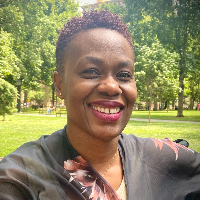
Stress, Anxiety, Relationship, Grief and 9 more

Stress, Anxiety, Trauma and abuse, Career and 12 more

Stress, Anxiety, Relationship, Family and 12 more

Stress, Anxiety, Anger, Self esteem and 17 more

Stress, Anxiety, Trauma and abuse, Self esteem and 2 more
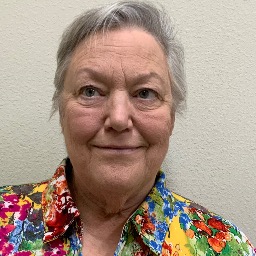
Stress, Anxiety, Relationship, Family and 6 more

Stress, Anxiety, Relationship, Grief and 8 more
Some links on this page are partner links. We will earn a commission if you sign up through one, at no cost to you. It does not change what you pay or the order of the listings.
Overview of online counseling options in Oklahoma
Online counseling is widely available across Oklahoma, connecting residents in urban centers and rural towns with licensed professional counselors who practice under state rules. If you hold an LPC, LPCC, or LCPC credential in another state you will find that the names differ by jurisdiction - for example, some states use LPCC or LCPC instead of LPC - but in Oklahoma the specific title and the authority that grants and renews it are regulated by the state licensing board. Counselors listed in this directory identify themselves by the license they hold; that indicates they met the education, supervised practice, and examination requirements set by the board that licenses them.
When you look at counselor profiles, you will see information about areas of focus, years of experience, languages spoken, and the approaches they list. Those profile details help you understand the kinds of concerns counselors most often help with and how they describe their work. The directory highlights counselors who provide sessions remotely, which can simplify reaching a counselor across long distances within Oklahoma or when you cannot travel. Keep in mind that the credential refers to the counselor's licensure and not to a particular method or technique.
Benefits of online counseling for Oklahoma residents
Choosing online counseling can reduce travel time and make it easier to fit sessions into a busy schedule, especially if you live farther from a clinic or in a rural county. You can access a counselor who lists special experience with the specific life stage, cultural background, or life transition you are navigating without being limited to professionals in your immediate area. For people balancing work, family, or school, remote sessions often offer more flexibility in timing and reduce the need to arrange transportation or childcare.
Online sessions also let you prioritize practical match factors - such as a counselor's experience with anxiety, grief, relationship concerns, or career stress - and the languages they speak. You can look for counselors who describe a developmental and wellness-oriented approach to care, which is a hallmark of counselor training; such an orientation focuses on how you are functioning now and what you are working toward, rather than starting from diagnosis alone. While remote counseling can be convenient, it is helpful to prepare a quiet, uninterrupted setting for your session and to test your internet connection and device beforehand so the interaction feels natural and focused.
Common concerns counselors in Oklahoma address online
Counselors who hold LPC, LPCC, or LCPC licenses work with a wide range of life concerns. Many people seek help for anxiety and mood difficulties, coping with stress, or managing major life transitions such as relocation, job change, or loss. Relationship concerns - whether with partners, family members, or coworkers - frequently bring people to counseling, and counselors often list experience supporting communication, boundary-setting, and conflict navigation. Counselors also commonly work with parenting challenges, adolescent issues, school and career decisions, and adjustment after major life events.
You will also find counselors who describe supporting individuals with identity and cultural issues, those navigating chronic health concerns, and people working on long-standing patterns that affect daily functioning. Profiles can tell you if a counselor lists experience working with certain age groups, cultural communities, or life stages. Because counselor training emphasizes a developmental and wellness orientation, many counselors focus on building skills, identifying strengths, and developing practical plans you can use between sessions. When reviewing profiles, note whether a counselor lists approaches or populations that match the concerns you want to address.
How to verify a counselor's license in Oklahoma
Verifying licensure is a straightforward step you can take to confirm that a counselor holds an LPC, LPCC, or LCPC issued by the appropriate state board. Start by noting the license type and any license number shown on the counselor's profile. Then visit the Oklahoma licensing board's license lookup service and search for the counselor by name or license number. The board record will typically show the license status, the date of issuance and renewal, and whether any formal disciplinary actions appear on file. These public records are maintained by the state board that issues and renews the license.
If the counselor lists a license from another state, you can follow the same process on that state board's website. Remember that licensing rules vary by state - the title and the specific supervised practice requirements may differ - so the board record gives the authoritative information about what the counselor met to hold the credential. Checking the board site will not tell you about personal fit or specific clinical approaches, but it does confirm that the counselor completed the education, postgraduate supervised hours, and examination steps required by that board.
How to get started with an online counselor
Getting started begins with clarifying what you hope to accomplish in counseling and the practical needs that matter to you. Think about the concerns you want to address and the qualities that matter in a counselor - such as experience with a particular life stage, shared cultural background, language preferences, or familiarity with certain types of situations. Use counselor profiles to learn who lists those areas and to read how they describe their focus and approach. This preparatory work helps you formulate questions you may want to ask when you make initial contact.
Before your first session, prepare a short summary of the issues you want to discuss, any relevant history, and personal goals for counseling. Decide what format you prefer for sessions - video or phone - and make sure you have a quiet, comfortable environment for the meeting. Check whether you will use insurance or pay privately, and have the counselor's listed policies or intake paperwork available so you understand fees, cancellation policies, and the method for sharing records or notes. When you contact a counselor, you can ask about their licensure, typical session length, the populations they commonly work with, and whether they list particular therapeutic approaches among those they use.
Tips for choosing the right counselor for you
Choosing a counselor is a personal decision and often depends on fit as much as on credentials. Look first at licensure to confirm the counselor is a licensed professional counselor in the state that governs their practice. Then consider the counselor's described focus areas, years of experience with concerns like yours, and any languages they list. Read how they describe their orientation and the goals they emphasize so you have a sense of whether their stated priorities match the outcomes you want.
Pay attention to practical details as well - the session format they list, their communication style on the profile, and whether they describe experience with life stages or cultural backgrounds that resonate with you. It is reasonable to ask about what a typical session looks like, how they structure goals, and how they measure progress over time. Finally, trust your sense of comfort when you speak with a counselor for the first time - the working relationship matters, and feeling heard and respected is a key indicator that a counselor could be a good match. If language or cultural considerations are important to you, prioritize counselors who specifically list those competencies.
Final considerations
Online counseling with a licensed professional counselor can expand your choices and make it easier to find someone whose expertise and style align with your needs. Use the directory to review licensure and profile details, confirm credentials through state board records, and prepare questions that matter to you before your first contact. Taking these steps helps you focus on fit and the practical aspects of working with a counselor so you can begin addressing the concerns that brought you to counseling.