Roger Kennedy is a licensed professional counselor with five years of experience.
01About Roger
Roger Kennedy is a licensed professional counselor with five years of experience. He focuses on helping people who feel overwhelmed by stress, anxiety, trauma, grief, depression, or big life changes. He speaks plainly and aims to make the first step feel doable for worried parents and busy people.
Roger draws on his background as a former first responder to understand high-pressure experiences and strong emotional reactions. He listens for what matters most to each person and looks for strengths that can be used in everyday life.
Background and approach
Sessions center on practical skills and steady support rather than quick fixes. In therapy he helps people name painful feelings and build small, manageable routines to reduce panic, racing thoughts, or low mood. He also helps people process loss, work through shame or guilt, and make decisions about life purpose and change.
Roger pays attention to how past events show up in daily life and relationships. His approach aims to give tools for coping with chronic illness or pain, dissociation, and lingering effects of assault or traumatic brain injury. He helps people practice self-compassion and rebuild confidence after hard experiences.
Progress is paced to each person’s needs. Roger offers sessions in English from Oregon. He uses straightforward language, calm guidance, and respect for each person’s story.
He focuses on small, clear steps people can use between sessions to feel more grounded and able to face challenges.
02Credentials
- LPC (Oregon)
- License C7069 · expires March 2027
- NPI
- 1891303152 · national provider identifier
Both are public records. A state board register will confirm a license and its standing, and the national registry will confirm an NPI. This directory copies what the counselor lists and checks neither.
03Focus areas and approaches
Everything Roger lists on their public professional profile, in their own terms.
- Stress, Anxiety
- Trauma and abuse
- Grief
- Depression
- Coping with life changes
- Abandonment
- Chronic pain, illness, and disability
- Communication problems
- Dissociation
- First responder issues
- Guilt and shame
- Life purpose
- Panic disorder and panic attacks
- Post-traumatic stress
- Self-love
- Sexual assault and abuse
- Social anxiety and phobia
- Traumatic brain injury
We will earn a commission if you sign up through our link, at no cost to you. It does not change what you pay or the order of the listings.
04Online support
Approaches that guide online sessions
Roger uses evidence-based therapeutic techniques focused on practical coping and processing. One common approach emphasizes developing coping skills for anxiety and panic - teaching breath work, grounding steps, and short behavioral practices to reduce overwhelm. This helps when panic attacks, racing thoughts, or social anxiety make daily tasks harder.Another approach focuses on trauma-informed processing to help people work through painful events and their aftereffects. This involves gradual, paced work to identify triggers, reduce avoidance, and build a sense of safety in everyday routines. It can also support recovery after assault, abuse, or brain injury.
Choosing the right approach is a collaborative process. The therapist will talk with each person about symptoms, goals, and what feels most helpful. Together they will try methods and adjust based on what actually helps in day-to-day life.
Online sessions use video calls, phone sessions, live chat, or text-based messaging to make therapy more flexible. Video calls allow face-to-face conversation, phone sessions can be easier when bandwidth is limited, live chat offers a shorter check-in option, and messaging supports ongoing reflection between meetings. These options let people fit therapy into work, school, or caregiving schedules while maintaining continuity of care.
05Questions people ask
What kinds of problems does he address?
He helps with stress, anxiety, trauma and abuse, grief, depression, and coping with life changes. Additional focus areas include panic, post-traumatic stress, chronic pain and illness, and social anxiety.
What is his therapy style like?
Sessions are practical and direct, with an emphasis on building coping skills and small routines. He centers the client's goals and uses clear, everyday language.
How much experience does he have?
He has five years of professional work experience supporting people through stress, trauma, grief, and related concerns.
Where is he licensed and based?
He is licensed in Oregon as an LPC and provides services from that state.
Which languages are sessions offered in?
Sessions are offered in English.
What session formats are available?
He offers video calls, phone sessions, live chat, and text-based messaging to fit different schedules and preferences.
How are costs handled?
Cost varies with location and therapist availability and uses a subscription model that can be canceled at any time.
How do I begin working with him?
To get started, select the Start Therapy button, complete a short matching questionnaire, and schedule according to the therapist's availability.
More counselors in Oregon
See all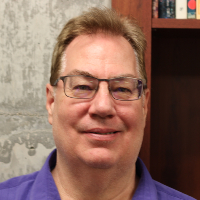
Stress, Anxiety, Addictions, Relationship and 13 more

Stress, Anxiety, Addictions, Depression and 13 more

Stress, Anxiety, Relationship, Self esteem and 2 more

Stress, Anxiety, Relationship, Family and 2 more
Is this your profile?
Ask us to correct details or take the page down.