William Alkhoury helps people who are dealing with stress, anxiety, grief, low self-esteem, depression, and big life changes.
01About William
William Alkhoury helps people who are dealing with stress, anxiety, grief, low self-esteem, depression, and big life changes. He practices in Arizona and brings nine years of experience as a Licensed Professional Counselor, or LPC. He speaks English and focuses on clear, practical conversations that aim to make daily life feel more manageable.
He uses a blend of approaches to match what each person needs. Cognitive Behavioral Therapy (CBT) is used to spot and change unhelpful thinking and behavior patterns.
Background and approach
Acceptance and Commitment Therapy (ACT) supports people in acting on what matters to them even when emotions are hard. Dialectical Behavior Therapy (DBT) skills help with intense emotions and improving emotional regulation. William pays special attention to feelings like emptiness, guilt, shame, and isolation.
He also helps people navigate midlife questions, life purpose, and aging concerns. He will talk through obsessions, panic attacks, social anxiety, dissociation, and post-traumatic stress in a step-by-step way. Sessions tend to be conversational and focused on practical next steps.
William mixes reflection with exercises you can try between sessions. He aims to help people notice small changes that add up over time. People who choose him can expect a thoughtful, philosophical perspective alongside hands-on tools.
He frames therapy as a collaborative process, where goals are set together and adjusted as work progresses.
02Credentials
- LPC (Arizona)
- License 18993 · expires April 2026
- NPI
- 1669066122 · national provider identifier
Both are public records. A state board register will confirm a license and its standing, and the national registry will confirm an NPI. This directory copies what the counselor lists and checks neither.
03Focus areas and approaches
Everything William lists on their public professional profile, in their own terms.
- Stress, Anxiety
- Grief
- Self esteem
- Depression
- Coping with life changes
- Aging and geriatric issues
- Communication problems
- Dissociation
- Emptiness
- Guilt and shame
- Isolation / loneliness
- Life purpose
- Midlife crisis
- Obsessions, compulsions, and OCD
- Panic disorder and panic attacks
- Personality disorders
- Post-traumatic stress
- Social anxiety and phobia
Methods William names
- Acceptance and Commitment Therapy (ACT)
- Cognitive Behavioral Therapy (CBT)
- Dialectical Behavior Therapy (DBT)
- Existential Therapy
- Jungian Therapy
- Mindfulness Therapy
- Motivational Interviewing
- Solution-Focused Therapy
These are the methods William names on their own professional profile. Naming an approach is not evidence of training or certification in it, and this directory checks no training records. Ask directly if it matters to you.
We will earn a commission if you sign up through our link, at no cost to you. It does not change what you pay or the order of the listings.
04Online support
How his approaches translate to online therapy
Acceptance and Commitment Therapy, or ACT, helps people clarify what matters most to them and take small steps toward those values while accepting hard emotions. It can be useful for depression, anxiety, and struggles with meaning. Cognitive Behavioral Therapy, CBT, focuses on identifying unhelpful thoughts and testing them with real-life experiments to reduce anxiety and improve mood. Dialectical Behavior Therapy, DBT, teaches practical skills for managing intense emotions and improving interpersonal effectiveness.Finding the right approach is part of the work. He will talk with each person about goals, preferences, and what feels most useful. Together they choose or blend methods and check in regularly to adjust the plan as needed.
Online formats include video calls, phone sessions, live chat, and text messaging, which make therapy easier to fit into a busy life. Video sessions allow visual connection and longer work. Phone sessions use less bandwidth and can be a good check-in. Live chat and text-based messaging support brief check-ins, writing-based reflection, or skill practice between sessions. These options give flexibility while keeping the focus on practical steps and ongoing support.
05Questions people ask
What kinds of problems does this therapist help with?
He supports people facing stress, anxiety, grief, low self-esteem, depression, and coping with life changes, along with related issues like panic, OCD symptoms, and loneliness.
What is his therapeutic style like?
Sessions are conversational and practical, combining reflective discussion with concrete exercises to try between meetings.
How much experience does he have?
He has nine years of experience working in behavioral health and counseling settings.
What are his credentials and where is he based?
He is a Licensed Professional Counselor, LPC, licensed in Arizona and practices from that state.
Can I work with him in other languages or from other countries?
Sessions are offered in English and he does not accept international clients at this time.
What session formats are available?
He offers video calls, phone sessions, live chat, and text-based messaging to fit different needs.
How are sessions paid for and what do they cost?
Cost varies with location and therapist availability; sessions use a subscription model that can be canceled at any time.
How do I begin therapy with him?
Start by selecting the Start Therapy button, complete the short matching questionnaire, and then schedule based on therapist availability.
More counselors in Arizona
See all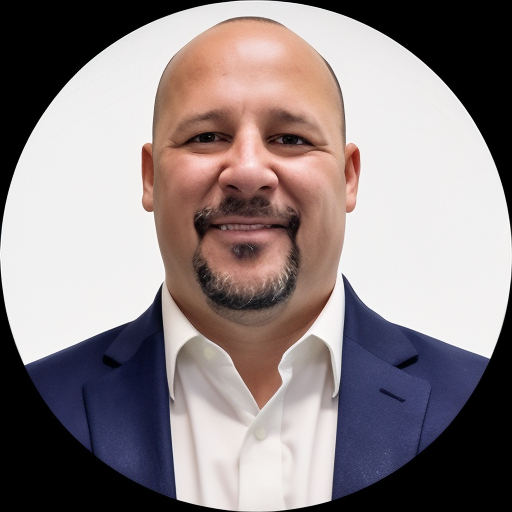
Addictions, Relationship, Trauma and abuse and 2 more

Stress, Anxiety, Relationship, Parenting and 13 more

Stress, Anxiety, Grief, Depression and 7 more

Stress, Anxiety, Trauma and abuse, Self esteem and 12 more
Is this your profile?
Ask us to correct details or take the page down.