David Burkett is a licensed professional counselor in Arizona who helps people work through anxiety, depression, grief, relationship struggles, and trauma.
01About David
David Burkett is a licensed professional counselor in Arizona who helps people work through anxiety, depression, grief, relationship struggles, and trauma. He brings seven years of experience and focuses on creating a calm, respectful space for people to talk through what matters most to them. He uses clear, practical methods so people can begin to feel steadier day to day.
Sessions often focus on skills for managing stress, communicating more clearly, and coping with painful memories.
Background and approach
David pays attention to attachment patterns and how early relationships shape current struggles. His style is collaborative and person-centered. He listens first, then helps people set small, achievable goals.
He works with people who are wrestling with shame, guilt, loss, or feeling stuck after major life changes. David draws on evidence-based approaches like Acceptance and Commitment Therapy and Cognitive Behavioral Therapy to introduce useful tools. He also uses Emotionally-Focused ideas and attachment work to address relationship and connection issues.
These approaches are explained in plain language and adapted to each person's needs. In a typical session he helps people notice what matters, practice new ways of relating, and try different behaviors between sessions. People leave with practical steps they can use immediately.
His Arizona practice emphasizes steady progress rather than quick fixes.
02Credentials
- LPC (Arizona)
- License LPC-22580 · expires October 2027
- NPI
- 1790558351 · national provider identifier
Both are public records. A state board register will confirm a license and its standing, and the national registry will confirm an NPI. This directory copies what the counselor lists and checks neither.
03Focus areas and approaches
Everything David lists on their public professional profile, in their own terms.
- Stress, Anxiety
- Relationship issues
- Trauma and abuse
- Grief
- Depression
- Abandonment
- Attachment issues
- Avoidant personality
- Body image
- Caregiver issues and stress
- Chronic pain, illness, and disability
- Codependency
- Commitment issues
- Communication problems
- Control issues
- Disruptive Mood Dysregulation Disorder (DMDD)
- Divorce and separation
- Emptiness
- Family of origin issues
- Forgiveness
- Guilt and shame
- Impulsivity
- Isolation / loneliness
- Jealousy
- Life purpose
- Men's issues
- Midlife crisis
- Money and financial issues
- Mood disorders
- Narcissism
- Obsessions, compulsions, and OCD
- Panic disorder and panic attacks
- Personality disorders
- Post-traumatic stress
- Process addiction (porn, exercise, gambling)
- Self-love
- Sex addiction
- Sexuality
- Social anxiety and phobia
- Workplace issues
Methods David names
- Acceptance and Commitment Therapy (ACT)
- Attachment-Based Therapy
- Client-Centered Therapy
- Cognitive Behavioral Therapy (CBT)
- Emotionally-Focused Therapy (EFT)
- Eye Movement Desensitization and Reprocessing (EMDR)
- Imago Relationship Therapy
- Solution-Focused Therapy
- Trauma-Focused Therapy
These are the methods David names on their own professional profile. Naming an approach is not evidence of training or certification in it, and this directory checks no training records. Ask directly if it matters to you.
We will earn a commission if you sign up through our link, at no cost to you. It does not change what you pay or the order of the listings.
04Online support
Approaches that guide online sessions
Acceptance and Commitment Therapy, or ACT, helps people clarify what matters to them and take small actions toward those values even when emotions are difficult. It is useful for anxiety, depression, and feeling stuck. Cognitive Behavioral Therapy, CBT, focuses on noticing unhelpful thinking and trying different behaviors to change mood and functioning. It is often used for stress, low mood, and anxiety. Attachment-Based work looks at patterns in relationships and how early bonds affect current connections, which can help with intimacy and trust issues.Choosing the right approach is a team effort. The therapist will talk through each option and try methods that match the client's goals and comfort level. If something isn't working, the plan can be adjusted together rather than stuck in one method.
Online sessions offer practical flexibility. Video calls let people read facial cues and do deeper conversation, while phone sessions can be lighter and easier when bandwidth is limited. Live chat or text-based messaging can be used for brief check-ins, coaching-like support, or when a shorter touchpoint fits a busy day. These options make it easier to fit therapy into work, caregiving, or health routines while keeping consistent therapeutic momentum.
05Questions people ask
What concerns does David address?
He helps people with stress, anxiety, relationship struggles, trauma and abuse, grief, and depression, plus related areas like attachment issues and communication problems.
How would you describe his therapy style?
His approach is collaborative and person-centered, focusing on listening, setting small goals, and teaching practical skills for daily life.
What experience does he have?
He has seven years of clinical experience working with emotional and relational concerns in Arizona.
What credential and location should I know about?
He is a Licensed Professional Counselor (LPC) practicing in Arizona and holds an Arizona LPC credential.
Which languages are supported for sessions?
Sessions are offered in English only.
Can international clients work with him?
He is not accepting international clients at this time.
What session formats are available?
Sessions may be conducted via video calls, phone sessions, live chat, or text-based messaging depending on what works best.
How are fees handled and how do I begin?
Cost varies by location and schedule and uses a subscription that can be canceled at any time; start by selecting the Start Therapy button and completing the short matching questionnaire to schedule.
More counselors in Arizona
See all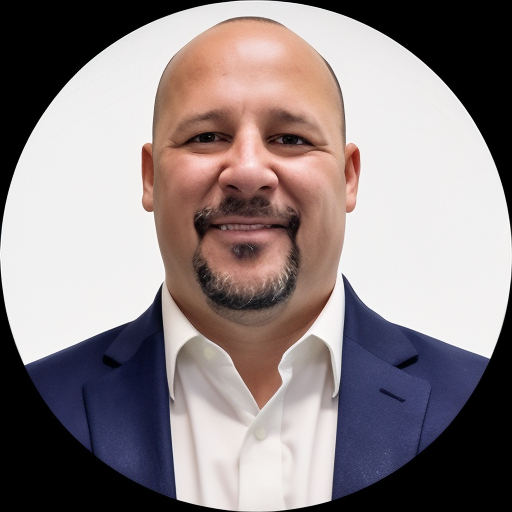
Addictions, Relationship, Trauma and abuse and 2 more

Stress, Anxiety, Relationship, Parenting and 13 more

Stress, Anxiety, Grief, Depression and 7 more

Stress, Anxiety, Trauma and abuse, Self esteem and 12 more
Is this your profile?
Ask us to correct details or take the page down.