
Stress, Anxiety, Addictions, Trauma and abuse and 7 more
Licensed professional counselors
Counselors who work with Eating Disorders
1,431 therapists list eating disorders among the things they work with. All offer sessions online, and every profile shows the registering body, the membership number and when it runs to.
This directory lists licensed professional counselors across the United States who indicate eating disorders as a focus area. Counselor credentials may appear as LPC, LPCC, or LCPC depending on state naming and licensure rules. Browse the listings below to review profiles, approaches, languages, and experience.

Stress, Anxiety, Family, Trauma and abuse and 16 more

Stress, Anxiety, Addictions, Trauma and abuse and 17 more

Stress, Anxiety, Addictions, Self esteem and 9 more
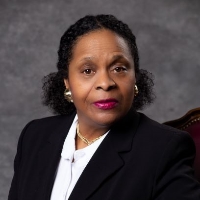
Stress, Anxiety, Addictions, Trauma and abuse and 15 more

Stress, Anxiety, LGBT, Relationship and 15 more
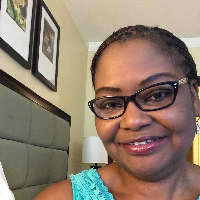
Stress, Anxiety, Relationship, Family and 9 more

Stress, Anxiety, Addictions, Relationship and 15 more
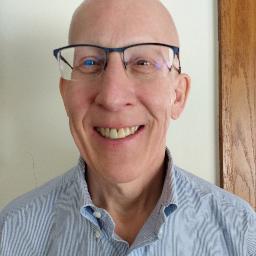
Stress, Anxiety, Relationship, Family and 11 more

Relationship, Family, Trauma and abuse and 14 more
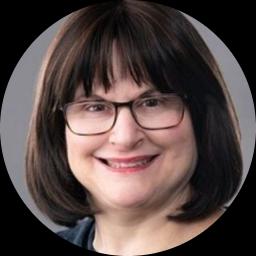
Stress, Anxiety, Relationship, Family and 11 more
Stress, Anxiety, Addictions, Relationship and 16 more

Stress, Anxiety, Relationship, Trauma and abuse and 13 more
Stress, Anxiety, Relationship, Family and 17 more
Stress, Anxiety, Family, Parenting and 11 more

Stress, Anxiety, Relationship, Trauma and abuse and 17 more

Stress, Anxiety, Trauma and abuse, Parenting and 12 more
Stress, Anxiety, Addictions, Family and 14 more
Stress, Anxiety, Addictions, Trauma and abuse and 15 more
Stress, Anxiety, Grief, Depression and 13 more

Stress, Anxiety, Trauma and abuse, Grief and 14 more

Stress, Anxiety, Family, Trauma and abuse and 11 more

Stress, Anxiety, Addictions, Trauma and abuse and 17 more

Stress, Anxiety, LGBT, Relationship and 17 more

Stress, Anxiety, Relationship, Family and 16 more

Stress, Anxiety, Relationship, Trauma and abuse and 16 more

Stress, Anxiety, Addictions, Anger and 14 more
Stress, Anxiety, Trauma and abuse, Grief and 14 more

Stress, Anxiety, Grief, Self esteem and 14 more
Stress, Anxiety, Addictions, Trauma and abuse and 14 more

Stress, Anxiety, Relationship, Family and 17 more

Stress, Anxiety, Relationship, Family and 15 more

Stress, Anxiety, Self esteem, Depression and 10 more

Addictions, LGBT, Anger and 12 more

Stress, Anxiety, Family, Trauma and abuse and 16 more

Stress, Anxiety, Relationship, Grief and 12 more

Stress, Anxiety, Addictions, Depression and 13 more

Relationship, Family, Eating and 2 more
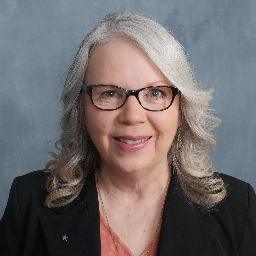
Stress, Anxiety, Family, Trauma and abuse and 9 more

Stress, Anxiety, Addictions, Relationship and 9 more
Stress, Anxiety, Addictions, Relationship and 16 more
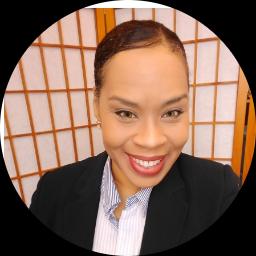
Stress, Anxiety, Parenting, Self esteem and 10 more
Stress, Anxiety, Addictions, Trauma and abuse and 11 more

Stress, Anxiety, Eating, Sleeping and 2 more

Stress, Anxiety, Trauma and abuse, Self esteem and 15 more

Stress, Anxiety, Relationship, Family and 13 more

Stress, Anxiety, Family, Trauma and abuse and 14 more

Stress, Anxiety, Family, Parenting and 15 more
Some links on this page are partner links. We will earn a commission if you sign up through one, at no cost to you. It does not change what you pay or the order of the listings.
Understanding eating disorders and how they commonly affect people
What eating disorders are and why they matter
Eating disorders are patterns of disordered eating and related thoughts and behaviors that can significantly affect physical health, emotional well-being, and daily functioning. Commonly recognized conditions include restrictive eating, binge eating, and behaviors intended to compensate for eating. People of any age, gender, background, or body size can be affected. The course of an eating disorder varies widely - some people experience episodic symptoms while others have chronic challenges that intersect with mood, anxiety, or stress.
When you search for a counselor on this page you are looking at professionals licensed under state boards as Licensed Professional Counselor (LPC), Licensed Professional Clinical Counselor (LPCC), or Licensed Clinical Professional Counselor (LCPC). Those different titles reflect state naming rather than a universal ranking. Some states use LPCC or LCPC as the clinical title and some use LPC. In a few states both titles appear in a single licensure system where the clinical designation may indicate additional supervised practice; where that distinction exists it is a matter of state rules rather than a statement about an individual counselor's competence.
Counselor training emphasizes a wellness and developmental orientation - the work often starts from how you are functioning now and what you want to work toward, rather than focusing only on diagnosis. That perspective can be important when eating and body image concerns intersect with life transitions, relationships, workplace stress, or identity issues.
Signs you might benefit from eating disorder-focused counseling
Recognizing patterns that suggest professional help
You might consider reaching out to a counselor when eating, exercise, or body-related concerns interrupt your daily life, relationships, or emotional balance. Signs include persistent worry about weight or shape that affects your mood, frequent episodes of overeating with feelings of loss of control, ongoing restrictive eating that leads to fatigue or changes in concentration, or use of compensatory behaviors such as vomiting or misuse of laxatives. Changes in social withdrawal, increased irritability, or avoidance of activities you once enjoyed can also be related to disordered eating patterns.
Physical signals may appear too, including significant changes in weight, menstrual irregularities, digestive problems, or frequent fluctuations in energy. You do not need to meet every diagnostic criterion to benefit from counseling. If disordered eating thoughts or behaviors interfere with your goals, relationships, work, or school, speaking with a licensed professional counselor who lists eating disorders among their focus areas can help you explore next steps and options.
What to expect in sessions with counselors who work with eating disorders
Initial conversations and assessment
Your first conversations with a counselor typically focus on building trust and understanding your history and current concerns. Expect questions about eating patterns, mood, medical history, stressors, and past attempts to change behaviors. A counselor will often ask about daily routines, sleep, relationships, and any medical or psychiatric care you are receiving so they can form a fuller picture of how eating concerns fit into your life. Because licensing is managed by state boards, counselors who hold an LPC, LPCC, or LCPC have completed a master's degree in counseling, a period of supervised postgraduate clinical practice commonly running two to three years and several thousand hours, and a national examination. These credentials indicate they meet the state's requirements to practice as counselors.
Ongoing sessions tend to blend skill-building with exploration of the thoughts, emotions, and situations that maintain disordered behaviors. Your counselor may work with you on establishing manageable routines around eating, developing emotion regulation skills, addressing body image distress, and identifying triggers for eating-related behaviors. The pace and focus are guided by your goals and what feels achievable. Many counselors take a collaborative approach - you and the counselor set priorities together and check progress regularly.
Common therapeutic approaches counselors list for eating disorder work
How approaches are represented in profiles
Counselor profiles often list a range of approaches that practitioners use with people who have eating concerns. When you review listings here, remember the directory records approaches counselors list rather than documenting specific certificates or degrees in any single method. You will find counselors who list cognitive and behavioral approaches aimed at identifying unhelpful thinking and developing practical coping skills, approaches that concentrate on relationships and family patterns, and approaches that emphasize bodily awareness and the role of emotions.
Approaches commonly listed by counselors who work with eating disorders include methods that address thoughts and behaviors related to food and body, interventions that involve family members when appropriate, and work that targets co-occurring anxiety, depression, or trauma-related responses. Some counselors emphasize a strength-based, wellness-oriented framework that helps you identify life goals and healthy functioning beyond symptom reduction. Because professional counselor training centers on development and wellness, you may notice a practical focus on current functioning - what is working, what you want to change, and what supports will help you get there.
How online counseling works for eating disorders and practical tips for choosing a counselor
Online sessions - logistics and what to expect
Online sessions with counselors who hold an LPC, LPCC, or LCPC can allow you to meet from your home, workplace, or another setting that fits your schedule. The format typically mirrors in-person counseling in terms of structure - regular session times, shared planning of goals, and personal conversation within professional boundaries. Online work can make it easier to access counselors who list eating disorders as a focus even if there are fewer options nearby. If you choose online sessions you should expect a practitioner to discuss how they handle crisis situations and to coordinate care with medical providers if physical health monitoring is needed. State licensing also matters for online work - counselors are licensed by state boards, and rules about offering services across state lines vary, so counselors will follow applicable state regulations.
Choosing the right counselor for your needs
When you are looking for a counselor who works with eating disorders, focus on fit more than any single label. Read profiles to see whether a counselor lists eating disorders as a focus, which approaches they mention, and what kinds of experience they describe. Pay attention to language skills if that is important to you, and notice whether a counselor mentions experience with age groups, gender identities, cultural backgrounds, or co-occurring conditions that align with your needs. Licensure matters: a listed LPC, LPCC, or LCPC indicates state-level licensure in counseling, which includes a master's degree, supervised clinical hours, and a professional exam. Where state names differ - for example, LCPC in Illinois or LPCC in California and Ohio - understand these as the state-specific naming for the professional counselor credential rather than as different professions.
It is reasonable to look for descriptions that match your priorities: whether you want a counselor who emphasizes nutritional rehabilitation in collaboration with medical or dietetic professionals, someone who focuses on emotion regulation and coping skills, or a counselor who works closely with families when adolescents are affected. Profiles often list approaches that a counselor uses; when you see an approach you are curious about, remember the listing indicates the counselor includes it among their methods rather than confirming a particular certification. Finally, look for a counselor whose communication style and stated focus feel aligned with your goals. Meeting several counselors and asking about their experience with eating-related concerns can help you identify who might be a good fit for the next steps in your care.
Choosing a counselor is a personal decision and you should expect to find someone who listens and partners with you on realistic, goal-oriented steps. Whether you meet in person or online, counselors who hold an LPC, LPCC, or LCPC bring the educational and supervised experience required by state boards to support work on eating and body image concerns. Use the profiles on this page to compare credentials, approaches, languages, and experience to find a counselor whose background aligns with what you want to achieve.
Keep exploring
Related concerns
Ways of working